Category: Immigration

Filipino Immigration Lawyers will help you understand the process, and reduce your burden by properly assessing your situation. visit jcalaw.ca

  • Post-Graduation Work Permit (PGWP) Canada 2026: Complete Guide for Filipino Students

    Post-Graduation Work Permit (PGWP) Canada 2026: Complete Guide for Filipino Students

    Post-Graduation Work Permit (PGWP) Canada 2026: Complete Guide for Filipino Students

    If you are a Filipino student studying in Canada, the Post-Graduation Work Permit (PGWP) is your bridge between graduation and permanent residence. It allows you to stay and work in Canada with an open work permit after completing your studies at an eligible Canadian institution.

    But the rules have changed significantly. Starting November 1, 2024, Immigration, Refugees and Citizenship Canada (IRCC) introduced new language requirements and field of study restrictions that affect who qualifies for a PGWP. For 2026, IRCC has also frozen the list of eligible programs, meaning no fields of study will be added or removed this year.

    This guide covers everything Filipino students need to know about the PGWP in 2026, including the updated eligibility rules, new language requirements, application process, processing times, and the pathways from PGWP to permanent residence.

    What Is a Post-Graduation Work Permit (PGWP)?

    A Post-Graduation Work Permit is an open work permit issued to international students who have graduated from an eligible designated learning institution (DLI) in Canada. Unlike employer-specific work permits, a PGWP allows you to work for any employer in Canada, in any occupation, for the duration of the permit.

    The PGWP is a one-time opportunity. You can only receive one PGWP in your lifetime. This makes it critically important to understand the rules before you apply and to use the work experience you gain strategically toward permanent residence.

    Key Facts at a Glance:

    • Permit type: Open work permit (any employer, any job)
    • Duration: 8 months to 3 years (depending on program length)
    • Application deadline: Within 180 days of receiving your final marks
    • Application fee: CAD ( work permit + open work permit holder fee)
    • One-time only: You cannot get a second PGWP

    PGWP Eligibility Requirements (2026 Updated Rules)

    The PGWP eligibility requirements changed substantially in late 2024. Whether the new rules apply to you depends on your lock-in date — the date you submitted your study permit application.

    Basic Requirements (All Applicants)

    Regardless of when you applied for your study permit, you must meet these baseline requirements:

    1. Completed a program of at least 8 months in duration at a PGWP-eligible DLI
    2. Maintained full-time student status in every academic semester (part-time in final semester is acceptable)
    3. Received a letter or official notification confirming you completed your program and are eligible to receive your credential
    4. Applied within 180 days of receiving your final marks or transcript
    5. Had a valid study permit when you applied, or the study permit expired during the 180-day window

    Who Is NOT Eligible

    You cannot get a PGWP if:

    • You have already received a PGWP in the past
    • You studied English as a Second Language (ESL) or French as a Second Language (FSL) only
    • You took general interest or self-improvement courses
    • You received a Global Affairs Canada (GAC) scholarship that requires you to return to your home country
    • You completed more than 50% of your program through distance learning (with limited exceptions)
    • You graduated from a non-Canadian institution operating in Canada
    • You attended a DLI that is not PGWP-eligible

    New Requirements for Study Permits Submitted On or After November 1, 2024

    If your study permit application was submitted on or after November 1, 2024, you must also meet two additional requirements:

    1. Language proficiency requirement (see next section)
    2. Field of study requirement (for non-degree programs — see below)

    Grandfathering Rule: If you submitted your study permit application before November 1, 2024, the new language and field of study requirements do not apply to you. You follow the previous rules. This is determined by your study permit application date, not your PGWP application date.

    New Language Requirements (CLB 7 and CLB 5)

    One of the biggest changes to the PGWP program is the introduction of mandatory language testing. Previously, there was no language requirement to get a PGWP. Now, if your study permit was submitted on or after November 1, 2024, you must prove your English or French proficiency.

    Language Levels by Program Type

    Program TypeMinimum Language LevelField of Study Required?
    Bachelor’s degreeCLB 7 (English) or NCLC 7 (French)No
    Master’s degreeCLB 7 (English) or NCLC 7 (French)No
    Doctoral degree (PhD)CLB 7 (English) or NCLC 7 (French)No
    Other university programsCLB 7 (English) or NCLC 7 (French)Yes
    College diploma or certificateCLB 5 (English) or NCLC 5 (French)Yes
    Polytechnic programsCLB 5 (English) or NCLC 5 (French)Yes
    Flight school graduatesExemptExempt

    What CLB 7 and CLB 5 Mean in Test Scores

    You must achieve the minimum score in all four language skills (reading, writing, listening, speaking). Here is what CLB 7 and CLB 5 translate to on accepted tests:

    TestSkillCLB 5 (College)CLB 7 (University)
    IELTS GeneralListening5.06.0
    IELTS GeneralReading4.06.0
    IELTS GeneralWriting5.06.0
    IELTS GeneralSpeaking5.06.0
    CELPIP-GeneralAll skills57
    PTE CoreListening3950
    PTE CoreReading3350
    PTE CoreWriting5159
    PTE CoreSpeaking4259

    Tip for Filipino Students: Most Filipino students already have strong English skills. The IELTS General Training is the most widely available test in the Philippines and Canada. If you need CLB 7, aim for at least 6.0 in every band. Test results must be less than 2 years old at the time of your PGWP application. Book your test early — slots fill up fast near graduation season.

    Field of Study Restrictions (2026 Frozen List)

    The second major change is the field of study requirement. If your study permit was submitted on or after November 1, 2024, and you graduated from a non-degree program (diploma, certificate, post-graduate certificate), your program must be on IRCC’s list of eligible fields of study.

    Who Needs to Meet the Field of Study Requirement?

    • College diploma and certificate graduates — must be in an eligible field
    • Post-graduate certificate/diploma graduates — must be in an eligible field
    • Other university non-degree programs — must be in an eligible field

    Who Is Exempt?

    • Bachelor’s degree graduates — exempt from field of study requirement
    • Master’s degree graduates — exempt
    • Doctoral (PhD) graduates — exempt
    • Study permit submitted before November 1, 2024 — exempt (grandfathered)

    Eligible Fields of Study (Categories)

    IRCC lists over 1,100 eligible programs organized by CIP (Classification of Instructional Programs) codes. These programs are concentrated in areas of long-term labour shortages in Canada:

    CategoryExample Programs
    HealthcareNursing, medical laboratory, pharmacy technician, dental hygiene, paramedicine
    STEMComputer science, engineering technology, information technology, biotechnology
    Skilled TradesElectrical, plumbing, welding, carpentry, HVAC, automotive
    Agriculture & Agri-foodAnimal sciences, crop production, horticulture, food science
    EducationEarly childhood education, teacher education, special education
    Social ServicesSocial work, community services, counselling
    Transport & InfrastructureAviation, heavy equipment, logistics

    2026 Freeze Alert: On January 15, 2026, IRCC confirmed that the list of PGWP-eligible fields of study is frozen for 2026. No programs will be added or removed this year. If your program is currently on the list, it will remain eligible. If it is not on the list, it will not be added until at least 2027.

    Programs NOT Eligible: Many popular college programs are no longer PGWP-eligible for new study permit holders. These include most business administration diplomas, general management programs, hospitality management, and marketing diplomas at the college level. If you are choosing a program in 2026, verify eligibility before enrolling.

    Private College (Curriculum Licensing) Restrictions

    Programs delivered by a private career college on behalf of a public institution (curriculum licensing arrangements) are no longer PGWP-eligible, except in limited grandfathered cases:

    • Students who started on or before May 15, 2024 (same province as the public institution) may still qualify
    • Students who started on or before January 31, 2023 (different province) may still qualify
    • All other private college curriculum-licensing students are not eligible

    PGWP Duration: How Long Is Your Work Permit?

    The length of your PGWP depends on your program type and duration. There is a special rule for master’s degree graduates that makes the master’s pathway particularly attractive.

    Program TypeProgram LengthPGWP Duration
    Master’s degree8 months or more (any length)3 years
    Any eligible program2 years or more3 years
    Any eligible program8 months to less than 2 yearsSame as program length
    Any eligible programLess than 8 monthsNot eligible
    Combined programsEach 8+ months, total 2+ years3 years

    Master’s Degree Advantage: Since February 15, 2024, graduates of master’s degree programs receive a 3-year PGWP regardless of program length, as long as the program is at least 8 months. This is a significant advantage — even a 12-month master’s program qualifies for 3 years of work authorization. Master’s graduates are also exempt from the field of study requirement.

    Important Notes on Duration

    • Passport expiry limit: Your PGWP cannot extend beyond your passport’s expiry date. If your passport expires before your PGWP period ends, the permit will only be issued up to the passport expiry date. You can apply to extend later with a renewed passport.
    • Distance learning deduction: For study permits submitted on or after September 1, 2024, time spent studying online outside Canada will be deducted from your PGWP duration.
    • 50% in-class rule: You must complete at least 50% of your program in-person in Canada. Failing this means you are not eligible for a PGWP.

    PGWP Application Process: Step-by-Step

    The PGWP application must be submitted online through your IRCC online account. Paper applications are no longer accepted. Here is the step-by-step process:

    Step 1: Confirm Your Eligibility

    Before applying, verify that:

    • Your DLI is PGWP-eligible (check the DLI list)
    • Your program meets the minimum 8-month duration
    • You maintained full-time status throughout
    • You are within 180 days of receiving your final marks
    • You meet the language and field of study requirements (if applicable)

    Step 2: Gather Your Documents

    You will need the following documents:

    • Completion letter from your DLI confirming you have met all program requirements
    • Official transcripts showing all courses and final grades
    • Valid passport (renew if expiring soon to maximize PGWP duration)
    • Current study permit (copy)
    • Language test results (if study permit submitted on or after November 1, 2024)
    • Digital photo meeting IRCC specifications
    • Proof of payment for application fees

    Step 3: Apply Online

    1. Log in to your IRCC online account
    2. Select “Apply for a work permit”
    3. Answer the eligibility questions
    4. Upload all required documents
    5. Pay the application fee ( CAD)
    6. Pay biometrics fee if required ( CAD)
    7. Submit the application

    Step 4: Provide Biometrics (If Required)

    If you have not already provided biometrics, you will receive a Biometrics Instruction Letter (BIL). You must visit a designated biometrics collection site within 30 days. In Canada, these are Service Canada locations.

    Step 5: Wait for Processing

    Processing times vary. While you wait, you can work under implied status (see below). Check your IRCC account regularly for updates or requests for additional documents.

    Processing Times and Fees

    ItemCost (CAD)
    Work permit processing fee
    Open work permit holder fee
    Total application fee
    Biometrics fee (if required)
    Total with biometrics

    Processing time: PGWP applications submitted from inside Canada currently take approximately 80 to 180 days (3 to 6 months). Processing times can vary depending on the volume of applications and whether additional documents are requested. Check the IRCC processing times page for the most current estimates.

    Working While Your PGWP Application Is Processing (Implied Status)

    One of the most common questions Filipino students ask is: “Can I work while waiting for my PGWP?” The answer is yes, under the concept of implied status.

    What Is Implied Status?

    If you apply for a PGWP before your study permit expires, you are considered to have “implied status.” This means you can continue to work under the conditions of your study permit (including any co-op or off-campus work authorization) until a decision is made on your PGWP application.

    Important: Implied status only applies if you submit your PGWP application while your study permit is still valid. If your study permit has already expired, you do not have implied status and cannot legally work until your PGWP is approved. This is why timing your application is critical.

    After PGWP Expires: Bridging Open Work Permit (BOWP)

    If your PGWP is about to expire and you have a pending permanent residence application, you may be eligible for a Bridging Open Work Permit (BOWP). This permit allows you to continue working while IRCC processes your PR application. You must have received an acknowledgement of receipt (AOR) for your PR application to be eligible for a BOWP.

    PGWP to Permanent Residence: Your PR Pathways

    The PGWP is not just a work permit — it is the foundation of your pathway to permanent residence. The Canadian work experience you gain on a PGWP is recognized by multiple immigration programs. Here are the most common pathways for Filipino graduates:

    1. Canadian Experience Class (CEC) via Express Entry

    The CEC is the most popular PR pathway for PGWP holders. Requirements:

    • 1 year of skilled Canadian work experience (NOC TEER 0, 1, 2, or 3) gained within the last 3 years
    • Language proficiency: CLB 7 for NOC TEER 0/1, CLB 5 for NOC TEER 2/3
    • No education requirement (your Canadian credential is a bonus for CRS points)
    • Processing time: approximately 6 months

    With a Canadian degree and Canadian work experience, Filipino graduates often score competitively in Express Entry draws. A Canadian credential adds up to 30 CRS points, and Canadian work experience adds up to 80 CRS points.

    2. Provincial Nominee Programs (PNP)

    Most provinces have PNP streams specifically designed for international graduates. A provincial nomination adds 600 CRS points to your Express Entry profile, virtually guaranteeing an invitation to apply.

    Popular PNP streams for PGWP holders include:

    • Ontario: OINP Ontario Workforce Priority stream — the Masters Graduate and Human Capital Priorities streams closed in June 2026
    • British Columbia: BC PNP International Graduate Stream
    • Alberta: AAIP Alberta Opportunity Stream
    • Manitoba: MPNP International Education Stream
    • Saskatchewan: SINP International Skilled Worker

    Related Guides: Explore our detailed provincial guides for Filipino immigrants:
    Filipino Immigrant Guide to Canada | Ontario OINP Guide | BC PNP Guide | Alberta AAIP Guide | Manitoba MPNP Guide | Saskatchewan SINP Guide

    3. Federal Skilled Worker Program (FSWP)

    If you have at least 1 year of continuous skilled work experience (not necessarily Canadian), you may also qualify under the FSWP through Express Entry. Canadian education and work experience earned during your PGWP will significantly boost your CRS score.

    Strategic Tips for Filipino Students

    • Start accumulating skilled work experience immediately after graduation. CEC requires only 1 year of experience.
    • Choose employment in a NOC TEER 0, 1, 2, or 3 occupation to qualify for CEC.
    • Keep your language test results current — you will need them for both the PGWP and Express Entry.
    • Create your Express Entry profile early to receive CRS score estimates and monitor draw thresholds.
    • Consider a PNP nomination for the 600-point CRS bonus if your general CRS score is below draw thresholds.

    Common Mistakes and Reasons for PGWP Refusal

    PGWP applications can be refused. Avoid these common mistakes:

    1. Missing the 180-Day Deadline

    You must apply within 180 days of receiving your final marks or completion letter. This is a hard deadline. If you miss it, you lose your PGWP eligibility permanently. Mark the date and set reminders.

    2. Applying with an Expired Study Permit

    Your study permit must have been valid at some point during the 180-day window after program completion. If it expired before you finished your program, you may have a problem. Apply as soon as possible after graduation to avoid complications.

    3. Insufficient Language Test Scores

    If you need CLB 7 but score CLB 6 in one band, your application will be refused. Take a practice test before your official exam and allow time for a retake if needed.

    4. Graduating from an Ineligible Program

    Not all DLIs are PGWP-eligible. Private colleges with curriculum licensing arrangements are particularly risky. Verify eligibility before enrolling, not after graduating.

    5. Dropping to Part-Time Status

    You must maintain full-time status in every semester except your final one. Dropping courses to fall below full-time can disqualify you. If you are struggling academically, speak to your institution’s international student advisor before reducing your course load.

    6. Studying Too Much Online (Outside Canada)

    If more than 50% of your program was completed through distance learning, you are not eligible. For study permits issued after September 1, 2024, time spent studying online outside Canada is deducted from your PGWP duration.

    Tips for Filipino Students in Canada

    As a law office that serves the Filipino-Canadian community, we understand the unique challenges and advantages Filipino students face in the Canadian immigration system. Here are our recommendations:

    Choosing the Right Program

    • Degree programs (bachelor’s, master’s) are the safest choice. They are exempt from field of study restrictions and only require CLB 7, which most Filipino students can achieve.
    • If choosing a college diploma, verify your program’s CIP code is on the PGWP-eligible list before enrolling. Focus on healthcare, STEM, trades, or education programs.
    • Avoid private colleges that deliver programs through curriculum licensing arrangements with public institutions — these are no longer PGWP-eligible.
    • A master’s degree is the strongest pathway: even a short 8-month program gives you a 3-year PGWP, exemption from field of study rules, and higher CRS points for Express Entry.

    While You Study

    • Maintain full-time status every semester (except your last one)
    • Work part-time to gain Canadian experience and build professional networks
    • Prepare your language test early — do not wait until after graduation
    • Keep all documents organized: transcripts, study permits, enrollment letters, completion letters
    • Renew your passport well in advance of graduation to maximize your PGWP duration

    After Graduation

    • Apply for the PGWP as soon as possible after receiving your completion letter
    • Target skilled occupations (NOC TEER 0, 1, 2, or 3) for your first job to qualify for CEC
    • Create your Express Entry profile once you have work experience to start receiving invitations
    • Connect with the Filipino community — Filipino professional networks, community organizations, and Filipino-Canadian lawyers can provide valuable support and guidance

    Frequently Asked Questions (FAQ)

    Can I apply for a PGWP from outside Canada?

    Generally, you should be in Canada when you apply. If you left Canada temporarily and your study was primarily in-person in Canada, you may still be eligible. However, if you completed more than 50% of your program outside Canada through distance learning, you are not eligible.

    What if I did two shorter programs instead of one long program?

    You can combine two programs to meet the 2-year threshold for a 3-year PGWP, provided each program is at least 8 months long, each is from a PGWP-eligible DLI, and you had a valid study permit for each program. The combined program length determines your PGWP duration.

    Do the new language and field of study rules apply to me if I started studying before November 2024?

    It depends on when you submitted your study permit application. If your study permit application was submitted before November 1, 2024, the new language and field of study requirements do not apply to you, even if you are graduating in 2026 or later.

    I am in a business diploma program. Am I still eligible?

    Most general business and management diploma programs are no longer PGWP-eligible for students whose study permits were submitted on or after November 1, 2024. Check your specific program’s CIP code against the IRCC eligible fields list. If you submitted your study permit before November 1, 2024, you are grandfathered and still eligible.

    Can my spouse or common-law partner work while I am on a PGWP?

    Your spouse or common-law partner may be eligible for an open work permit while you hold a valid PGWP, but eligibility depends on your NOC level and specific circumstances. Changes to spousal open work permit eligibility have occurred in recent years, so consult an immigration lawyer for current rules.

    What happens if my PGWP application is refused?

    If your PGWP application is refused, you cannot reapply (since you can only receive one PGWP). However, you may have other options depending on the reason for refusal, such as applying for a different type of work permit. It is critical to get professional legal advice immediately if your PGWP is refused.

    Can I extend my PGWP?

    Generally, PGWPs cannot be extended. However, some temporary measures have been introduced in past years allowing one-time extensions in specific circumstances. As of 2026, there is no general PGWP extension policy in place. If your PGWP is expiring, focus on transitioning to permanent residence or applying for a Bridging Open Work Permit if you have a pending PR application.

    What is the difference between a PGWP and a regular open work permit?

    A PGWP is a specific type of open work permit available only to graduates of eligible Canadian programs. Like other open work permits, it allows you to work for any employer. The key difference is that you can only get a PGWP once, it is tied to your educational program, and it has specific eligibility rules (program length, DLI eligibility, etc.).

    How JCA Law Office Can Help

    At JCA Law Office Professional Corporation, we specialize in serving the Filipino-Canadian community with immigration, family law, and legal services. Our team understands the unique needs of Filipino students navigating the Canadian immigration system.

    We can help you with:

    • PGWP application review and filing — ensuring your application is complete, accurate, and submitted on time
    • Eligibility assessment — determining whether you meet the new language and field of study requirements
    • PGWP refusal response — advising on your options if your application is refused
    • Express Entry and PNP applications — transitioning from PGWP to permanent residence
    • Bridging Open Work Permit — maintaining your work authorization while your PR application is processed
    • Spousal work permit applications — helping your partner obtain work authorization

    Book Your PGWP Consultation Today

    Do not risk your one-time PGWP opportunity. Let our experienced immigration team review your eligibility, prepare your application, and plan your pathway to permanent residence.

    JCA Law Office Professional Corporation | Serving the Filipino-Canadian Community in the GTA
    Phone: 855-522-5290 | Email: info@jcalaw.ca

    Related Resources

    Official Government Resources:

    Last updated: February 2026. Immigration rules change frequently. This guide is for informational purposes only and does not constitute legal advice. Contact JCA Law Office for advice specific to your situation.

  • Canada Temporary Work Permit

    Canada Temporary Work Permit

    Work Permit Visa Canada – JCA Law Office

    Temporary Work Permit

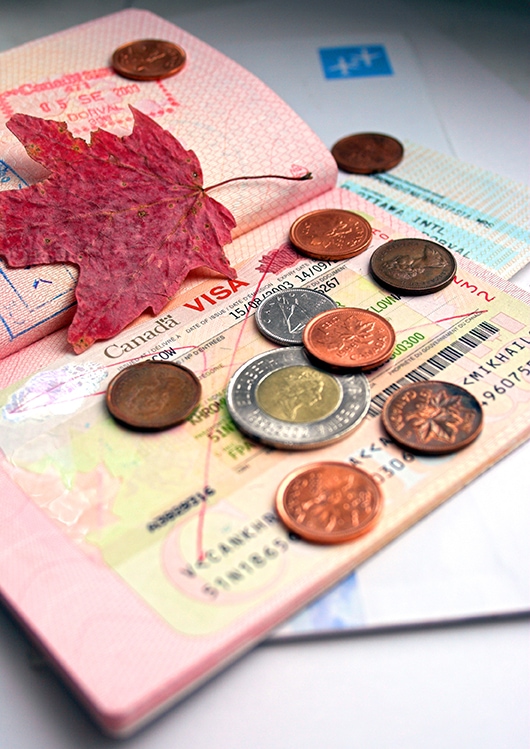
    Every year, thousands of foreign workers come to Canada holding a temporary work permit. As we all know, there are several steps before you could enter Canada as a worker. In general, the employer needs to secure the LMIA Approval and the worker needs to secure his work permit. In between those two major phases, there various application forms to be filled out and several supporting documents require proper assessment.

    A quick guide can be found online at Immigration, Refugees & Citizenship

    Are you interested in Labour Market Impact Assessment? Click here!

    There are two (2) types of work permits:

    1. Open Work Permits

    2. Employer-specific Work Permits.

    1. An open work permit allows you to work for any employer in Toronto or within Canada, except for the employer listed below:

    • The list of employers who have failed to comply with the conditions instructed by Immigration Canada.
    • Employers who regularly offer striptease, erotic dance, escort services, and erotic massages.
    Who could apply for an open work permit?

    Open work permit is applicable to you if you:

    • Are an international student who graduated from a designated learning institution and are eligible for the Post-Graduation Work Permit Program (PGWP) are a student who is no longer able to meet the costs of your studies (destitute student)
    • A permanent resident in Canada
    • Are a dependent family member who is a permanent resident
    • Are the spouse or common-law partner of a skilled worker or international student
    • Are the spouse or common-law partner of an applicant of the Atlantic Immigration Pilot Program
    • Are a refugee, refugee claimant, protected person or their family member
    • Are under an unenforceable removal order
    • Are a temporary resident permit holder
    • Are a young worker participating in special programs. In each of these situations, you must meet additional criteria to be eligible.

    2. An employer-specific work permit allows you to work according to the conditions on your work permit, which include:

    • the name of the employer you can work for how long you can work
    • the location where you can work (if applicable)

    Are you looking to get a work permit or bridging open work permit?

    There are some types of work which may not require a work permit.

    Application can be made online or via paper application.

    It may seem easy but why not use an extra-hand from someone who is experts with the processing? We at JCA Law can assist you!

    IMPORTANT QUICK UPDATE:

    If you are in Canada and you apply for an initial work permit, and you received a biometrics instruction letter from CIC, you may need to leave Canada to give biometrics.

    Don’t travel to the U.S. if you are only going to give biometrics. The U.S. border officials may not let you enter the country. You can only give biometrics at an Application Support Center in the U.S. if you are already legally in the U.S.

    Instead, go to a visa application centre (VAC) in any country that you can legally enter, such as your home country.

    Did you receive a Canadian Job Offer?

    If you did, great! First, you need to secure your work permit in order to work legally in Canada. Processing time for application for a work permit is from 4 weeks to 6 weeks.

    If you are an employer who needs a temporary work permit for the new employees, JCA Law Office Professional Corporation application both for you and your foreign worker.

  • LMIA Canada 2026: Complete Employer Guide for Hiring Filipino Workers

    LMIA Canada 2026: Complete Employer Guide for Hiring Filipino Workers

    The Labour Market Impact Assessment (LMIA) is the gateway document that Canadian employers must obtain before hiring most foreign workers. For Filipino workers and the Canadian employers who want to hire them, understanding the LMIA process is essential. This comprehensive 2026 guide covers every aspect of the LMIA — from high-wage and low-wage stream differences to the latest regional restrictions, fees, processing times, and practical tips for success.

    Last updated: February 2026. This guide reflects the latest LMIA policy changes, including the January 9, 2026 regional processing updates and current median wage thresholds.

    What Is an LMIA and Why Is It Needed?

    A Labour Market Impact Assessment (LMIA) is a document issued by Employment and Social Development Canada (ESDC) that a Canadian employer must obtain before hiring a foreign worker. The LMIA verifies that:

    • There is a genuine need for a foreign worker to fill the position
    • No Canadian citizen or permanent resident is available to do the job
    • Hiring the foreign worker will have a positive or neutral impact on the Canadian labour market
    • The employer is offering wages and working conditions that meet Canadian standards

    A positive LMIA (sometimes called a “confirmation letter”) allows the foreign worker to apply for a work permit through Immigration, Refugees and Citizenship Canada (IRCC). Without a positive LMIA, most employer-specific work permit applications cannot proceed.

    For the Filipino community, the LMIA is particularly significant. Thousands of Filipino workers come to Canada each year as caregivers, skilled tradespeople, healthcare workers, food service workers, and professionals. The LMIA is often the first critical step in their Canadian journey — and for many, it becomes a pathway to permanent residency.

    High-Wage vs. Low-Wage LMIA Streams: Key Differences

    The Temporary Foreign Worker Program (TFWP) divides LMIA applications into two main streams based on the provincial or territorial median hourly wage. Whether your job offer falls above or below this threshold determines which set of rules applies.

    2025–2026 Provincial Median Wage Thresholds

    These thresholds were last updated on June 27, 2025 and are used to classify positions as high-wage or low-wage:

    Province / TerritoryMedian Hourly Wage Threshold
    Ontario$36.92
    British Columbia$38.40
    Alberta$37.50
    Quebec$36.00
    Saskatchewan$34.62
    Manitoba$31.33
    Nova Scotia$31.96
    New Brunswick$31.73
    Source: ESDC median wage thresholds, effective July 17, 2026 (figures already include the 20% high-wage uplift). Reviewed annually.

    If the wage you are offering is at or above the threshold for your province, you apply under the High-Wage Stream. If it is below the threshold, you apply under the Low-Wage Stream.

    Comparison: High-Wage vs. Low-Wage LMIA Streams

    FeatureHigh-Wage StreamLow-Wage Stream
    Wage RequirementAt or above provincial medianBelow provincial median
    Transition PlanRequired (plan to reduce reliance on TFWs)Not required
    Workforce CapNo cap10% of workforce (20% for construction, food manufacturing, hospitals, nursing facilities)
    Work Permit DurationUp to 2 yearsUp to 1 year
    Regional RestrictionsGenerally not affected by regional unemploymentRefused in CMAs with unemployment ≥ 6%
    Housing RequirementNot requiredMust provide or ensure affordable, suitable housing (< 30% of pre-tax income)
    TransportationNot required (but recommended)Must pay round-trip transportation to and from Canada
    Processing Time~79 business days~71 business days
    Application Fee$1,000 per position$1,000 per position

    Important for Ontario Employers: With Ontario’s median wage threshold at $36.92/hour, many positions in food service, retail, hospitality, and caregiving fall under the Low-Wage Stream. This means additional requirements including housing, transportation, and regional unemployment restrictions apply. Employers in the GTA should plan accordingly.

    LMIA Application Process: Step-by-Step

    The LMIA application process requires careful planning and documentation. Here is a detailed breakdown of each step:

    Step 1: Determine Your Stream

    Compare the wage you plan to offer against the provincial median hourly wage for your province (see table above). This determines whether you apply under the High-Wage or Low-Wage Stream and the specific requirements that apply.

    Step 2: Conduct Recruitment Advertising

    Before applying, you must demonstrate genuine efforts to hire Canadians and permanent residents. Advertising must meet these requirements:

    • Minimum 3 recruitment methods:
      • Job Bank posting (mandatory) — using the Job Match service
      • At least 2 additional methods (e.g., industry websites, newspapers, job fairs, recruitment agencies)
    • Duration: Advertisements must run for a minimum of 4 consecutive weeks within the 3 months before your LMIA application
    • Ongoing requirement: At least one recruitment method must remain active until a decision is made on your LMIA
    • Job Match: You must invite all Job Bank candidates rated 4 stars or higher to apply within the first 30 days

    Your job advertisements must include:

    • Company name and business address
    • Job title and detailed duties
    • Terms of employment (full-time, permanent, etc.)
    • Language of work
    • Wages (including any raises or bonuses), which must meet the prevailing wage
    • Benefits offered
    • Work location(s)
    • Contact information
    • Skill and experience requirements

    Step 2A: Target Underrepresented Groups (Low-Wage Stream)

    For the Low-Wage Stream, at least two of your additional recruitment methods must target underrepresented groups, including:

    • Vulnerable youth
    • Indigenous peoples
    • Newcomers to Canada
    • Persons with disabilities
    • Asylum claimants

    Step 3: Determine the Prevailing Wage

    You must offer the prevailing wage, which is the higher of:

    1. The Job Bank median wage for the specific occupation and work location, OR
    2. The wage range you currently pay existing employees in the same position with similar experience

    Only guaranteed wages count — overtime, tips, bonuses, commissions, and benefits are excluded. Employers must review and update the prevailing wage annually using the latest Job Bank data (updated November 19, 2025).

    Warning: If the wage in your advertisement does not match the prevailing wage, your LMIA application will be refused, and you will need to re-advertise for 4 weeks and start the process over. This is one of the most common reasons for LMIA refusal. Double-check wages before advertising.

    Step 4: Prepare Your Transition Plan (High-Wage Only)

    If applying under the High-Wage Stream, you must submit a Transition Plan describing your activities to recruit, retain, and train Canadians and permanent residents, and how you will reduce reliance on the TFWP over time.

    Exemptions from the Transition Plan requirement:

    • In-home caregivers and healthcare providers
    • Primary agriculture and Seasonal Agricultural Worker Program (SAWP) positions
    • Positions of limited duration (up to 2 years maximum)
    • Positions requiring unique, individual-specific skills
    • Applications supporting permanent residency only (no work permit)

    Step 5: Gather Required Documents

    Prepare the following documentation for your LMIA application:

    • Completed LMIA application form (EMP 5593 or EMP 5626)
    • Business registration and incorporation documents
    • Proof of recruitment efforts (copies of all advertisements with dates)
    • Proof of Job Bank posting and Job Match invitations
    • Records of all Canadian applicants interviewed and reasons for rejection
    • Transition Plan (High-Wage Stream)
    • Proof of business legitimacy (business licence, CRA documents, financial statements)
    • Housing inspection report or housing offer (Low-Wage Stream)
    • Proof of private health insurance coverage for the worker (if applicable)
    • $1,000 processing fee per position (credit card or certified cheque)

    Step 6: Submit the LMIA Application

    Submit your completed application to Service Canada through the LMIA Online Portal or by mail. Applications are assessed based on:

    • Whether the job offer is genuine
    • Whether adequate recruitment efforts were made
    • Whether wages and working conditions meet Canadian standards
    • The impact on the Canadian labour market
    • Whether the employer has a track record of compliance

    Step 7: Receive LMIA Decision

    If approved, you receive a positive LMIA (confirmation letter). The worker then uses this to apply for a work permit through IRCC. The positive LMIA is valid for 6 months from the date of issuance (reduced from 18 months under previous rules).

    Advertising Requirements in Detail

    Proper recruitment advertising is the foundation of a successful LMIA application. Getting this wrong is one of the most common reasons for refusal.

    RequirementDetails
    Job Bank PostingMandatory for all LMIA applications. Must use the Job Match service.
    Additional MethodsMinimum 2 other methods (High-Wage: 1 must be national in scope; Low-Wage: must target underrepresented groups)
    DurationMinimum 4 consecutive weeks within 3 months before LMIA submission
    Ongoing RecruitmentAt least 1 method must remain active until LMIA decision
    Job Match InvitationsMust invite all 4-star+ candidates within first 30 days
    Record KeepingMust maintain records of all recruitment efforts for inspection purposes
    Primary AgricultureAs of January 1, 2026, proof of advertisement submission is required again (reinstated)

    Acceptable additional recruitment methods include:

    • Professional recruitment agencies
    • Specialized occupational websites (e.g., Indeed, LinkedIn, Workopolis)
    • National or local newspapers
    • Job fairs and career events
    • Union consultations
    • Internal promotion or transfer
    • Community organizations serving underrepresented groups

    Prevailing Wage Determination

    Getting the wage right is critical. The prevailing wage is the minimum wage you must offer to the foreign worker. It is determined as follows:

    1. Look up the Job Bank median wage for the specific NOC code and work location
    2. Compare this to the wage you currently pay existing employees in the same role
    3. Offer whichever is higher

    The prevailing wage data on Job Bank is updated annually each fall. The most recent update was on November 19, 2025. Employers must reassess wages by January 1 following each annual update.

    Tip for Employers: Use the Job Bank Wage Report to look up the prevailing wage for any occupation by NOC code and location. Always verify this before advertising the position.

    2026 LMIA Reforms and Regional Restrictions

    The Canadian government has made significant changes to the LMIA program in 2025 and 2026, primarily aimed at protecting the domestic labour market during a period of elevated unemployment in several regions.

    Major 2025–2026 LMIA Policy Changes

    ChangeDetailsEffective Date
    LMIA Validity ReducedPositive LMIAs now valid for 6 months (down from 18 months)2024
    Regional Unemployment FreezeLow-wage LMIAs refused in CMAs with unemployment ≥ 6%September 26, 2024
    Workforce Cap ReducedLow-wage TFW cap reduced to 10% of workforce (from 20%)2024
    Work Permit Duration CutLow-wage work permits reduced to 1 year (from 2 years)2024
    8 Regions ReopenedLow-wage processing resumed in 8 CMAs where unemployment dropped below 6%January 9, 2026
    Agriculture Advertising ReinstatedPrimary agriculture LMIA applications must include proof of advertisementJanuary 1, 2026
    TFWP Admissions TargetLMIA-based work permits capped at 60,000 for 2026 (down from 82,000)2026
    Priority ProcessingExpedited processing for healthcare, technology, and engineering occupations2026

    Regional Restrictions: Where Low-Wage LMIAs Are Processed

    Since September 2024, Service Canada refuses to process low-wage LMIA applications in Census Metropolitan Areas (CMAs) where the unemployment rate is 6% or higher. This list is updated quarterly.

    As of January 9, 2026:

    Regions Where Low-Wage LMIA Processing RESUMED

    These 8 CMAs now have unemployment below 6% and are eligible for low-wage LMIA applications:

    • Vancouver, BC
    • Winnipeg, MB
    • Kingston, ON
    • Halifax, NS
    • Moncton, NB
    • Saint John, NB
    • Fredericton, NB
    • Montréal, QC

    Major Regions That Remain BLOCKED

    These major CMAs still have unemployment ≥ 6% and cannot process low-wage LMIAs:

    • Toronto, ON
    • Calgary, AB
    • Edmonton, AB
    • Ottawa-Gatineau, ON/QC
    • And approximately 20 other CMAs across the country

    Important for GTA Employers: Toronto remains blocked for low-wage LMIA processing. If you need to hire foreign workers in the GTA for positions below the $36.92/hour threshold, you will need to explore alternative strategies such as the High-Wage Stream, LMIA-exempt work permits, or Provincial Nominee Programs. Contact JCA Law Office to discuss your options.

    Exemptions from the regional freeze: Even in blocked CMAs, low-wage LMIA applications are still accepted for:

    • Primary agriculture and Seasonal Agricultural Worker Program (SAWP)
    • Food processing (fish and seafood)
    • Construction (select occupations)
    • Healthcare (select positions)
    • Short-duration positions (120 days or less)
    • In-home caregivers for persons with high medical needs

    The next quarterly update to the eligible/ineligible regions list is expected on April 10, 2026.

    LMIA Fees and Costs

    Cost ItemAmountNotes
    LMIA Processing Fee$1,000 per positionNon-refundable (except for payment errors). Cannot be recovered from the worker.
    Fee Exemptions$0Primary agriculture, caregiving for medical needs, and childcare positions (household income ≤ $150,000)
    Recruitment Advertising$500 – $3,000+Varies by method (Job Bank is free; Indeed, newspapers, and agencies cost more)
    Legal FeesVariesImmigration lawyer fees for LMIA preparation and submission
    Housing (Low-Wage)VariesEmployer must provide or ensure suitable, affordable housing
    Transportation (Low-Wage)VariesEmployer must pay round-trip transportation to and from Canada
    Health InsuranceVariesPrivate health insurance until provincial coverage begins

    Critical Rule: Employers are strictly prohibited from recovering the $1,000 LMIA processing fee from the foreign worker. Doing so is a violation of TFWP regulations and can result in penalties, bans, and placement on the ineligibility list.

    LMIA Processing Times (2026)

    Processing times vary by LMIA stream and are updated monthly by Service Canada. As of early 2026:

    LMIA StreamProcessing Time
    High-Wage Stream~79 business days
    Low-Wage Stream~71 business days
    Global Talent Stream (GTS)~9 business days
    Seasonal Agricultural Worker Program (SAWP)~9 business days
    Agricultural Stream~22 business days
    Permanent Residence Stream~99 business days
    Source: ESDC, as of June 2026 (published 9 July 2026). Processing times are updated monthly and can vary based on application volume.

    Priority processing is now available for critical occupations in healthcare, technology, and engineering sectors. Applications in these fields may be processed faster than the standard timelines above.

    After the LMIA is approved: The worker must then apply for a work permit through IRCC, which adds additional processing time (typically 2–16 weeks depending on the country of application and processing office). Filipino workers applying from the Philippines should factor in visa office processing times at the Manila office.

    LMIA-Exempt Categories

    Not all work permits require an LMIA. The International Mobility Program (IMP) allows certain foreign workers to obtain work permits without one. The government has planned 170,000 LMIA-exempt work permits for 2026. Key LMIA-exempt categories include:

    International Trade Agreements

    • CUSMA (formerly NAFTA): Professionals, intra-company transferees, and traders/investors from the US and Mexico
    • CETA: Similar provisions for EU nationals
    • Other trade agreements: Various bilateral and multilateral agreements

    Intra-Company Transfers (ICT)

    • Multinational companies transferring executives, managers, or specialized knowledge workers to Canadian branches
    • Must have worked continuously for the company for at least 1 year
    • Work permits issued for up to 3 years (with extensions of up to 2 years)

    Significant Benefit

    • Employment that provides significant social, cultural, or economic benefit to Canada
    • Assessed based on the worker’s track record and expert recommendations

    Other LMIA-Exempt Work Permits

    • Post-Graduation Work Permits (PGWP): For international graduates of Canadian institutions
    • International Experience Canada (IEC): Youth mobility exchange programs
    • Spousal Open Work Permits: For spouses of skilled workers or international students
    • Bridging Open Work Permits: For workers transitioning to permanent residency
    • Caregiver Pilot Programs: Home Child Care Provider and Home Support Worker pilots (no LMIA required)

    Caregiver LMIA: Special Considerations

    Caregiving is one of the most common pathways for Filipino workers coming to Canada. Understanding the LMIA landscape for caregivers is essential.

    Caregiver Pilot Programs (LMIA-Exempt)

    The 2026 Home Child Care Provider Pilot and Home Support Worker Pilot allow caregivers to come to Canada without an LMIA. Instead, the worker applies directly with a qualifying job offer and receives an Occupation-Restricted Work Permit (OROWP).

    Eligibility requirements for the Caregiver Pilot Programs:

    • Language: Minimum CLB 4 (IELTS: Writing 4.0, Speaking 4.0, Listening 4.5, Reading 3.5)
    • Education: Canadian high school diploma equivalent (verified through ECA from WES, IQAS, or ICES)
    • Experience: At least 6 months of relevant caregiving experience in the past 3 years
    • Job Offer: Full-time employment from a Canadian employer under NOC 44100 (Home Child Care Provider) or NOC 44101 (Home Support Worker)
    • Pathway to PR: Applicants may gain permanent residency status, with spouses and children eligible for open work or study permits

    Traditional Caregiver LMIA

    For caregivers who do not qualify under the pilot programs, an employer may still apply for an LMIA under the in-home caregiver stream. Key rules include:

    • The $1,000 LMIA fee may be exempt for caregiving positions for persons with medical needs and childcare positions where household income is $150,000 or less
    • Applications requiring workers to live in the employer’s home are generally refused, unless the position serves clients with high medical needs or there are documented exceptional circumstances
    • Caregivers in the Low-Wage Stream are generally exempt from the regional unemployment freeze and workforce cap requirements

    Filipino Caregivers: The Caregiver Pilot Programs are designed with pathways to permanent residency, making them an attractive option for Filipino caregivers. JCA Law Office has extensive experience helping Filipino families navigate both the LMIA-based and pilot program pathways. Book a consultation to discuss which route is best for your situation.

    Common Reasons for LMIA Refusal

    Understanding why LMIAs get refused can help you avoid costly mistakes. Here are the most common grounds for refusal:

    1. Inadequate Recruitment Efforts

    • Advertisements did not run for the full 4 consecutive weeks
    • Fewer than 3 recruitment methods used
    • Job Bank posting not using the Job Match service
    • Did not invite 4-star+ Job Match candidates
    • Recruitment not ongoing at time of LMIA decision
    • Advertisements missing required details (wage, duties, location, etc.)

    2. Incorrect or Non-Competitive Wages

    • Wage offered is below the prevailing wage for the occupation and location
    • Wage in the advertisement does not match the LMIA application
    • Failure to update wages after the annual Job Bank data update

    3. Job Offer Not Genuine

    • The employer is not actively engaged in the business
    • There is no reasonable employment need for the position
    • The position was created primarily to facilitate a work permit rather than meet a genuine business need

    4. Regional Unemployment Restrictions

    • Low-wage application submitted for a CMA with unemployment ≥ 6%
    • This is an automatic refusal — no discretion involved

    5. Workforce Cap Exceeded

    • The employer already has 10% (or 20% for exempt sectors) of their workforce in low-wage TFW positions

    6. Employer Compliance Issues

    • Employer is on the IRCC ineligibility list due to past non-compliance
    • History of unpaid wages, misreporting, or failure to maintain proper records
    • Previous LMIA revoked within the past 2 years for providing false or misleading information
    • Employer found to have insufficient financial ability to pay wages for the employment duration

    7. Incomplete Documentation

    • Missing required documents or forms
    • Unsigned or incomplete application forms
    • Missing proof of business legitimacy

    Tips for Employers Hiring Filipino Workers

    Filipino workers are among the most sought-after foreign workers in Canada, known for their strong work ethic, English proficiency, and adaptability. Here are practical tips for Canadian employers looking to hire Filipino talent:

    1. Start the Process Early

    The LMIA process takes time. Between the 4-week advertising requirement, LMIA processing (71–79 business days), and the subsequent work permit application, the entire process can take 4 to 8 months. If the worker is applying from the Philippines, add time for visa office processing at the Canadian embassy in Manila. Plan accordingly.

    2. Work with an Immigration Lawyer

    The LMIA process is detailed and technical. A single error in your advertising, wage calculation, or documentation can result in refusal — and you would need to start the recruitment process over. An experienced immigration lawyer can ensure your application is complete, compliant, and positioned for approval.

    3. Offer Competitive Wages and Benefits

    The prevailing wage is the minimum, not the target. Offering competitive wages demonstrates genuine need and makes your application stronger. Consider offering benefits like health insurance, transportation support, and settlement assistance.

    4. Understand Cultural Considerations

    Filipino workers bring valuable cultural assets to Canadian workplaces. Understanding Filipino workplace culture can help build productive working relationships:

    • Respect for authority: Filipino workers may be reluctant to question instructions or report issues. Create an open, supportive environment where concerns can be raised safely.
    • Strong community ties: Many Filipino workers have obligations to family back home. Showing understanding of remittance needs and family commitments builds loyalty.
    • Avoid exploitative arrangements: Never require workers to pay recruitment fees, live in your home (unless the position genuinely requires it and meets exemption criteria), or accept wages below the prevailing rate. These practices are illegal and harm both the worker and your business.

    5. Keep Impeccable Records

    ESDC can inspect your compliance at any time. Maintain detailed records of:

    • All recruitment advertisements (with dates and screenshots)
    • Resumes of Canadian applicants and reasons for rejection
    • Pay stubs, work schedules, and employment contracts
    • Housing arrangements and inspections (Low-Wage Stream)
    • Transportation receipts (Low-Wage Stream)

    6. Plan for Pathways to Permanent Residency

    Many Filipino workers are seeking a long-term future in Canada. Supporting their path to permanent residency — whether through Provincial Nominee Programs, Express Entry, or Caregiver Pilots — helps you retain skilled, experienced workers and demonstrates your commitment to their wellbeing.

    7. Beware of LMIA Fraud and Scams

    Unfortunately, LMIA fraud is a significant issue that affects Filipino workers. Be aware of:

    • Ghost employers who charge fees for fake LMIA applications
    • Unlicensed recruiters who charge excessive placement fees
    • Wage theft schemes where the worker is promised one wage but paid less

    As a legitimate employer, working with a licensed immigration lawyer protects both you and the worker from these risks.

    Frequently Asked Questions

    How much does an LMIA cost?

    The LMIA processing fee is $1,000 per position. This fee is paid by the employer and cannot be recovered from the worker. Some positions are exempt from the fee, including primary agriculture and certain caregiver roles. Additional costs include recruitment advertising ($500–$3,000+) and legal fees.

    How long does the LMIA process take?

    Processing times vary by stream: approximately 79 business days for high-wage, 71 business days for low-wage, and 9 business days for the Global Talent Stream. Add 4 weeks for mandatory advertising and additional time for the subsequent work permit application. The total process from start to work permit issuance typically takes 4 to 8 months.

    Can I apply for an LMIA in Toronto for a low-wage position?

    As of January 9, 2026, Toronto remains ineligible for low-wage LMIA processing because the unemployment rate exceeds 6%. Exceptions exist for primary agriculture, certain healthcare positions, construction, and short-duration positions (120 days or less). The list is updated quarterly; the next review is April 10, 2026.

    What is the difference between an LMIA and a work permit?

    An LMIA is a document obtained by the employer confirming that hiring a foreign worker will not negatively impact the Canadian labour market. A work permit is obtained by the worker and authorizes them to work in Canada. The worker typically needs a positive LMIA before they can apply for a work permit.

    Can my worker change employers with an LMIA-based work permit?

    LMIA-based work permits are employer-specific, meaning the worker can only work for the employer named on the permit. If the worker wants to change employers, the new employer must obtain a new LMIA and the worker must apply for a new work permit.

    What happens if my LMIA is refused?

    If your LMIA is refused, you can address the issues identified and reapply. There is no formal appeal process, but you may request a reconsideration. You will need to pay the $1,000 fee again. If the refusal was due to inadequate advertising, you must conduct new recruitment for the full 4 weeks before reapplying.

    How long is a positive LMIA valid?

    A positive LMIA is valid for 6 months from the date of issuance (reduced from 18 months under previous rules). The worker must apply for their work permit within this window. If the LMIA expires before the work permit is obtained, the employer must apply for a new LMIA.

    Do I need an LMIA to hire a Filipino caregiver?

    Not necessarily. The Home Child Care Provider Pilot and Home Support Worker Pilot allow caregivers to come to Canada without an LMIA. The caregiver applies directly with a qualifying job offer. However, if the caregiver does not meet the pilot program requirements, the employer may need to obtain a traditional caregiver LMIA.

    How JCA Law Office Can Help

    At JCA Law Office Professional Corporation, we have extensive experience helping Canadian employers navigate the LMIA process and hire Filipino workers. Our services include:

    • LMIA Application Preparation: Complete preparation and submission of your LMIA application, including recruitment strategy, advertising compliance, wage analysis, and documentation
    • Stream Selection Strategy: Advising on whether the High-Wage, Low-Wage, Global Talent Stream, or an LMIA-exempt pathway is best for your situation
    • Work Permit Applications: Assisting the worker with their work permit application after LMIA approval
    • Compliance Support: Helping employers maintain records and meet ongoing TFWP compliance requirements
    • Caregiver Programs: Guiding families and caregivers through both LMIA-based and pilot program pathways
    • Permanent Residency Pathways: Planning for the worker’s transition from temporary work permit to permanent residence through Express Entry, PNPs, or Caregiver Pilots

    As a Filipino-Canadian law firm, we understand the unique dynamics of hiring Filipino workers and can bridge the cultural and legal gap to ensure a smooth process for both employers and workers.

    Ready to Start Your LMIA Application?

    Whether you are a Canadian employer looking to hire Filipino talent or a Filipino worker seeking guidance on the LMIA process, JCA Law Office is here to help. Our team provides personalized, culturally sensitive legal services in English, Filipino, and Tagalog.

    Call us at 855-522-5290 or email info@jcalaw.ca

    Official Government Resources:

  • 12 Steps: A Newcomer-in-Canada Checklist

    12 Steps: A Newcomer-in-Canada Checklist

    Once you’ve arrived and stepped off the plane, here are the to-do list to guide your first steps in Canada:

    1 INFORMATION KIOSK: Before you leave the airport, look for the newcomer welcome center. The Toronto Pearson International Airport has the Immigrant Reception and Information Services (IRIS) kiosk and the Vancouver International Airport has the Community Airport Newcomers Network(CANN) kiosk. These kiosk machines will have pamphlets and resources to help you in your first days in Canada and these brochures are very helpful especially to the newcomers like you.

    2 PLACE TO STAY: Find temporary accommodation for your first few nights after landing in case you don’t have relatives and friends here in Canada. If you plan to stay longer, look for a comfortable place to stay where establishments are accessible like transportation, hospital or clinics, schools, and supermarket.

    3 MAP: Obtain a good street map, a telephone book, and the Yellow Pages. These resources will be important tools in your first days as you get to know your neighborhood. Search out local services in case phone services are not yet available during the first few weeks.

    4 COMMUNITY CENTERS: Look for community services like non-profit organizations. They offer free services for the newcomers especially those that are government funded. You may avail the free ESL training, settlement counseling, employment workshops and more. They also often have host programs that buddy up newcomers with volunteers who guide newcomers through their first few months in Canada.

    5 PR CARD: Get your permanent resident (PR) card, a wallet-sized, plastic status card that replaces your paper IMM 1000 Record of Landing document. It is a convenient proof of your permanent resident status. For more information, visit Immigration, Refugees & Citizenship

    6 SIN: Apply for your Social Insurance Number (SIN) card. Without it, you cannot get a job or apply for any government assistance or credit. Applications for a SIN card can be made through a Services Canada office.

    7 OHIP: Apply for your Ontario Health Insurance Plan card (OHIP). Application forms for these cards are available from doctor’s offices, hospitals, and most pharmacies, or by calling the provincial medical services authorities. Since there is a three-month waiting period for coverage in Ontario, don’t delay in your application. Apply for temporary health insurance to cover your family during the waiting period.

    8 BANK ACCOUNTS: Open an account at a bank or credit union near your home. It’s important to start a relationship with a bank as soon as possible, so you can manage your money, pay your bills and begin building a credit history. Most banks are offering bank accounts for newcomers without any bank fees. Some other banks require start-up deposit.

    9 MOBILE PHONE: Get a cell phone. Sign up for a Canadian cell phone, even just a pay-as-a-you-go type plan so you will be accessible for potential employers and landlords. Once your residency is secured, you could apply for a better post-paid plan.

    10 DRIVER’S LICENSE: Get your Canadian driver’s license. An international license is only valid for a few months. If you plan to stay for a short period, you could use your driving license for 90 days. If you are staying longer than 90 days, you need to apply for International Driver’s Permit (IDP) and it is valid up to 1 year of stay.

    11 SCHOOL: Enroll your kids at school. Every child between the ages of five and 16 is entitled to, and in fact required to, attend school. Inquire at schools in your neighborhood or contact the local school board for guidance.

    12 FURNITURE: Buy essential furniture and household items. Look for inexpensive options like buying second-hand items at garage sales in your neighborhood. Sometimes, your neighbors are giving it for free. You may see it outside of their garage or sidewalks. You may also try Furniture Bank.

  • 17 Million people have immigrated to Canada since 1967

    17 Million people have immigrated to Canada since 1967

    Canada is a nation of Immigrants

    Canada is a nation composed mostly of immigrants. If you’re not indigenous, then you or your family originally came here from another country like the Philippines, China, Korea, Brazil, France, Egypt, Iran, and Saudi Arabia and almost all over the world.

    In fact, 17 million people have immigrated to Canada since 1867. Some fled war or poverty, others just wanted more lucrative jobs. All sought a better life. And Immigration policy keeps changing based on the experiences and a necessity to improve the protocols.

    When it comes to weather, we have four seasons, and at this moment, it is winter. Canada is cold during this season but still, people from different parts of the world want to come here despite the weather and the challenges they may encounter as they move forward.

    New immigrants can feel isolated, lonely, and homesick during the first year of their stay in Canada. A year and not so easy adjustment to some people. Canada is a country where we believe that our lives will be better, our dreams would be fulfilled. Our families will enjoy what Canada could offer to us.

    If we are not indigenous then we are all Immigrants

    Where are you from? Is this the question coming from the Immigrant himself? Is this good or bad? What do you think?

    Some people were intimated when someone is asking that. Some were okay because, for them, people are just curious about your origin. Some people are just looking for acquaintances with the same country, color, and culture. In short, some of them are looking for a specific group whom they are comfortable to hang out with the same ethnicity and geographical background.

    You said no, do you have another thing in mind? I know there are some people are here just to annoy, bully some new immigrants to prove that they are stronger, higher class immigrants compared to those they want to intimidate.

    Believe me, these are just a few reasons why they are asking a question like “Where are you from?” Not definitely bad at all, because some of those people are asking out of some reasons and curiosity.

    The 1st generation Immigrants experienced the hardest life when it comes to work and economic struggles.

    The first generation immigrants, like me, are the one who will experience the hardest challenges. We are looking for a way to give our family the basic commodities and a need to live on a daily basis. Our characters will be challenged if we wrestle the economic difficulties and find ways to make our lives better, productive and fulfilling.

    Their children, my children are also faced with some interesting questions about their cultural identities, clashing with us, their parents over values. Many struggles to redefine themselves later as adults more comfortable with their backgrounds. But most respect their parents and are grateful for the lessons we taught them.

    I am an immigrant, too!

    I have three boys, Terenz, Daren, and Clarenz who came with me to Toronto, Canada. They were grown good-looking and strong teenagers now. On their first year, it was a mixed emotion because everything is new and curiosity is always there. They were happy and nervous at the same time because of the new environment, new schoolmates and different skin colors or nationalities.

    After seven years here in Canada, they have so many questions about the diversities and dream job. How they can be financially secured and what programs do they need to take in order to get the high-paying jobs? It is hard to tell because even me, I need to pause and think to answer their questions. And I asked the same thing about it, would it be marketable after they completed it? Will it be a question too of whom you know inside in order for you to get the job you want?

    Where are you from? This question sometimes raised fear, intimidation, and curiosity. To some, it is just a way of finding peers or group that could understand your traditions and share the values you grew up from your hometown. And I have so many good memories from home. To answer the question, We are from Cabanatuan City, Nueva Ecija and it is 4 hours drive from Manila. The answer is just simple but if you are new in this country, you are hesitated. it has so many chunks of reservation if you will reply or walk away

    Believe me, it is not easy at first to become an immigrant but given the right resources, right people, and connection. Canada has a lot to offer!

    Equip our children with the tools to use while they are growing up.

    So many questions, pending answers but it is you and our children can answer all of these based on their experiences. As parents, let us give them the tools, values and kind words to use in their daily lives. Carrying those values and tradition will make a better change. Canada has a different culture because of diversities and each color represents the good traditions from their own hometown. For this reason, be understanding and learn how to deal and get along with these amazing people.

  • Why Do Immigrants Need an Immigration Lawyer: Why Not?

    Why Do Immigrants Need an Immigration Lawyer: Why Not?

    Question: What if you’re an aspiring immigrant? You will need help from an immigration lawyer to process the papers for you, but unfortunately that is not what people – specifically Filipinos are taking the time to consider.

    One of the first things people will learn when considering immigration is just how different the laws are.

    The legal lexis itself, though still consisting of the same jargons, set a host of different parameters, leaving the people searching for answers more confused than when they started.

    That said, people still choose to either seek help from their friends – their “kumares and kumpares,” who are-more often than not-as clueless as they are in the general scheme of things, or in some cases, heedlessly fill out online forms and join online forums while hoping for the best.

    Perhaps it is the availability of information in the Internet that gives them the confidence to do so, relying on readily available resources. However, it should be noted that these readily available resources may or may not be as reliable as they seem at first glance.

    It is a gamble, simply put, and therein lies the problem.

    As such, it is highly recommended that a consultation be conducted-not just a random consultation, mind you, but a proper one, wherein an immigration lawyer will be asking particular questions regarding the client’s situation, along with appraising the documents at hand.

    With this, any uncertainties will be cleared, and the client will have the opportunity to raise any questions that might arise and be given satisfactory answers from a trustworthy source who knows the subject inside and out.

    A consultation is an entirely confidential process, where all relevant issues are addressed so that the immigration lawyer can obtain a complete knowledge of a client’s immigration matter. This way, any disturbances during the immigration filing will be avoided.

    When the immigration lawyer has gotten all pertinent information, the client will be given proper legal advice.

    Based on the case, the immigration lawyer will also be able to provide a time line for the whole process, and might even determine potential conclusions, such as the possibility of the application going through.

    The consultation is also a great way for the client to see in person who they are dealing with, and they can determine if the immigration lawyer is reputable enough to represent them.

    Moreover, they can see for themselves if the immigration lawyer actually knows the subject matter, and they can gauge the immigration lawyer’s capabilities firsthand.

    Benefits of Consulting with an Immigration Lawyer

    Procuring the services of an immigration lawyer lessens the chances of delays and complications in the process, since there already is a good understanding of the process itself, the guidelines involved, and the general and specific rules and regulations that encompass the procedure.

    Intrinsically, an immigration lawyer will assist the client in the navigation of the immigration system, and an effective immigration lawyer will be skilled enough to steer the client to positive results.

    An immigration lawyer’s services, once retained, include the provision of a retainer agreement wherein the professional relationship between the client and the immigration lawyer will be established. The client will also be given instructions as to how to proceed, as well as a detailed list of necessary documents for moving the case along.