Tag: immigration toronto

  • Enhanced Super Visa Canada 2026: Complete Guide for Filipino Parents & Grandparents

    Enhanced Super Visa Canada 2026: Complete Guide for Filipino Parents & Grandparents

    Updated October 2026. Figures checked against IRCC on October 4, 2026.

    Super Visa in brief

    • What it is: a multiple-entry visitor visa that lets parents and grandparents stay in Canada for up to 5 years at a time, with multiple entries for up to 10 years.
    • Who qualifies: parents and grandparents whose child or grandchild (biological or adopted) is at least 18 years old, lives in Canada, and is a Canadian citizen, permanent resident or registered Indian. The parent or grandparent must be outside Canada when applying, take an immigration medical exam, and hold private health insurance of at least $100,000 that is valid for at least 1 year.
    • Income: the host must meet IRCC’s minimum necessary income for their family size, from $38,002 for a family of 2 to $80,784 for a family of 7, plus $8,224 for each additional person. Since March 31, 2026, there are two ways to meet it.
    • Cost: $185 per applicant in government fees ($100 visa fee plus $85 biometrics; applicants over 79 don’t give biometrics, so they pay $100). The medical exam and the insurance are extra.
    • Processing time: 97 days for applications from the Philippines (IRCC, as of Oct 1, 2026).

    For Filipino families dreaming of reuniting with parents and grandparents in Canada, the Enhanced Super Visa offers one of the most generous visitor programs in the world. Since June 2023, Super Visa holders can stay in Canada for up to 5 years per visit — a major improvement over the previous 2-year limit. This comprehensive 2026 guide covers everything Filipino-Canadian sponsors and their parents need to know: updated income requirements, the new OSFI foreign insurer option, step-by-step application instructions, and tips tailored specifically to applicants from the Philippines.

    How to Apply for a Super Visa: 8 Steps

    1. Confirm eligibility and family size, and check the host’s income against IRCC’s table.
    2. Book the immigration medical exam with an IRCC panel physician.
    3. Buy health insurance: at least $100,000, valid for at least 1 year.
    4. Gather the documents from the applicant and the host, including the signed letter of invitation.
    5. Complete the application forms.
    6. Apply online and pay the government fees: $100 per applicant, plus $85 for biometrics if the applicant is 79 or younger.
    7. Give biometrics after the instruction letter arrives.
    8. Wait for the decision, then send in the passport for the visa.

    Each step is explained in the step-by-step section below.


    What Is the Super Visa and What Makes It “Enhanced”?

    The Super Visa is a special multi-entry visitor visa designed exclusively for the parents and grandparents of Canadian citizens and permanent residents. Unlike a regular visitor visa that typically authorizes stays of up to 6 months, the Super Visa provides:

    • Up to 5 years per visit — no need to leave and re-enter every 6 months
    • Multi-entry validity for up to 10 years
    • Faster alternative to the Parents and Grandparents Program (PGP) — no lottery, no cap on applications
    • No limit on the number of times you can enter Canada during the visa’s validity

    What Changed in 2023 (The “Enhanced” Super Visa): On June 22, 2023, the Government of Canada enhanced the Super Visa by extending the authorized stay from 2 years to 5 years per visit. This means your parents or grandparents can live with you continuously for up to 5 years before needing to leave Canada, making it far more practical for long-term family reunification.

    Super Visa Eligibility Requirements (2026)

    Both the applicant (your parent or grandparent) and the host (the Canadian sponsor) must meet specific requirements.

    Applicant Requirements (Parent or Grandparent)

    • Must be the parent or grandparent of a Canadian citizen or permanent resident
    • Must be admissible to Canada (no criminal inadmissibility or security concerns)
    • Must pass an immigration medical exam conducted by a designated panel physician
    • Must hold a valid passport
    • Must demonstrate ties to their home country (proof they intend to return)
    • Must have private medical insurance meeting specific requirements (see below)
    • Must be outside Canada when applying

    Host (Sponsor) Requirements

    • Must be the applicant’s child or grandchild, at least 18 years old
    • Must be a Canadian citizen, permanent resident, or registered Indian
    • Must reside in Canada
    • Must meet or exceed the Minimum Necessary Income (MNI) threshold
    • Must provide a signed letter of invitation promising financial support

    Can You Apply for a Super Visa From Inside Canada?

    No. IRCC requires the parent or grandparent to be outside Canada when the application is submitted, and the visa must be printed by a visa office outside Canada. It cannot be printed in Canada. A parent who is already here as a visitor would need to leave Canada and apply from the Philippines or another country. See IRCC’s Who can apply page.


    New Super Visa Income Rules Since March 31, 2026

    Since March 31, 2026, a super visa host can meet the income requirement in two ways: by meeting or exceeding the minimum in either of the two tax years before the application, or by earning at least 75% of the minimum in the year before applying and adding the visiting parent’s or grandparent’s own income to cover the rest.

    IRCC announced the change on March 20, 2026: Changes to how the parents and grandparents super visa income requirement is calculated. The dollar amounts are separate from this change. IRCC’s income table, shown in the next section, is labelled Updated July 29, 2025.

    1. Either of your last two tax years. The host (and their co-signer, if any) can now meet or exceed the required amount in either one of the two tax years before applying — not only the most recent year. A single strong year is enough.
    2. Combine the parent’s/grandparent’s own income. If the host (with their co-signer’s income, if any) earned at least 75% of the minimum required amount in the year before applying, the visiting parent’s or grandparent’s own income (for example, a foreign pension) can be added to cover the rest, as long as the combined total meets or exceeds the MNI.

    These changes apply to all applications already in processing on, or submitted on or after, March 31, 2026. Families who qualified under the old rule still qualify.

    Minimum Necessary Income (MNI) Requirements (2026)

    The Canadian host must show that their income meets or exceeds IRCC’s minimum necessary income (MNI) for their family size. IRCC’s table below is labelled Updated July 29, 2025, and it was still the current table when we checked on October 4, 2026. The amount depends on total family size, counted the way IRCC counts it (see the box below). For the two ways the income can be met, see the March 31, 2026 rules above.

    How to Calculate Family Size: IRCC counts all of the following people:

    • the parent(s) or grandparent(s) being invited
    • the host
    • the host’s spouse or common-law partner (IRCC notes this can include a separated spouse)
    • the dependent children of the host and of the spouse or partner, regardless of custody or child support arrangements
    • super visa holders named in an earlier letter of invitation, still in effect, signed by the host or the host’s spouse or partner
    • anyone the host or co-signer previously sponsored, or co-signed a sponsorship for, while that undertaking is still in effect

    For example, if you are married with 2 children and inviting both parents, your family size is 6 (you + spouse + 2 children + 2 parents). IRCC’s own example: a host with a spouse and 1 dependent child who invites 1 grandparent, while the spouse is already hosting 2 parents on super visas, also has a family size of 6. Those 2 parents count even when they are not currently in Canada. Source: IRCC, Proof of financial support.

    Total Family SizeMinimum Necessary Income (CAD)
    1 person$30,526
    2 persons$38,002
    3 persons$46,720
    4 persons$56,724
    5 persons$64,336
    6 persons$72,560
    7 persons$80,784
    Each additional person+$8,224
    Source: IRCC, Proof of financial support. Table labelled Updated July 29, 2025; checked October 4, 2026.

    Important for Filipino Families: Two rules govern whose income counts. A co-signer must be the host’s spouse or common-law partner, and must be a Canadian citizen, permanent resident or registered Indian. A sibling or other relative cannot co-sign. Separately, under the March 31, 2026 change, if the host (with the co-signer’s income, if any) earned at least 75% of the required amount in the year before the application, the visiting parent’s or grandparent’s own income can be added to cover the remainder. For the either-of-two-tax-years route, IRCC requires the host’s or co-signer’s Canada Revenue Agency Notice of Assessment (NOA). For the 75% route the NOA is preferred, and other income documents are accepted if it is unavailable. A parent contributing income can provide pay stubs for the most recent 12-month period, an employer letter, bank statements or pension statements, and must show that the income will continue while they are in Canada.

    Acceptable Proof of Income Documents

    • Notice of Assessment (NOA) — issued by the Canada Revenue Agency for the tax year you are relying on (required for the either-of-two-tax-years route; preferred for the 75% route)
    • T4 or T1 tax returns — for the most recent tax year
    • Employment letter — confirming position, salary, and length of employment
    • Recent pay stubs — covering the last 12 months
    • Bank statements — showing regular income deposits
    • Employment Insurance (EI) statements — if applicable
    • Self-employment documentation — letter from accountant with income details
    • Pension or investment income statements

    Medical Insurance Requirements — Including the 2025 OSFI Change

    One of the key differences between a Super Visa and a regular visitor visa is the mandatory private medical insurance requirement. Here is what you need to know for 2026:

    Insurance Coverage Requirements

    RequirementDetails
    Minimum Coverage$100,000 CAD
    Validity PeriodMinimum 1 year from the date of each entry to Canada
    Coverage Must IncludeHealthcare, hospitalization, and repatriation
    Payment StatusPolicy must be fully paid or have a deposit paid (quotes are not accepted)
    Eligible ProvidersCanadian insurance companies OR insurers outside Canada that meet the OSFI conditions below

    2025 OSFI Change: Foreign Insurers Now Accepted

    New as of January 28, 2025: IRCC now accepts private health insurance policies from foreign insurance companies authorized by the Office of the Superintendent of Financial Institutions (OSFI). Previously, only Canadian-based insurance companies were accepted.

    To qualify, an insurer outside Canada must:

    1. Be authorized by OSFI under the Insurance Companies Act to provide accident and sickness insurance
    2. Appear on OSFI’s public list of federally regulated financial institutions
    3. Have issued the policy while doing insurance business in Canada, and the policy document must include a statement saying so

    Brokers and claims administrators are not insurers. IRCC says insurance brokers and insurance claims administrators are not insurance companies and will not appear on the OSFI list, and that OSFI does not list foreign insurance companies outside Canada unless they are registered with OSFI as branches or subsidiaries in Canada. Check the insurance company named on the policy (the insurer or underwriter) before you pay.

    IRCC sets out these conditions under Proof of health insurance. OSFI’s website is www.osfi-bsif.gc.ca.

    Tip for Filipino Families: Premiums vary by insurer and by applicant, so ask for written quotes early and confirm that the insurer meets the conditions above. Before you apply, the policy must be paid in full, or in instalments with a deposit. A quote alone is not accepted.


    Required Documents Checklist

    Prepare all of the following documents before submitting your Super Visa application:

    Documents from the Applicant (Parent/Grandparent in the Philippines)

    • ☑ Valid Philippine passport
    • ☑ Completed application forms — IMM 5257 (Application for Visitor Visa) and IMM 5645 (Family Information Form)
    • ☑ Two recent passport-sized photos (per IRCC photo specifications)
    • ☑ Proof of relationship — birth certificate of the Canadian host showing the applicant as parent, or other official documents establishing the relationship
    • ☑ Immigration medical exam results — from an IRCC-designated panel physician in the Philippines
    • ☑ Private medical insurance policy — meeting all requirements listed above (paid, not quoted)
    • ☑ Proof of ties to the Philippines — property ownership, bank accounts, employment, pension, family members remaining
    • ☑ Travel history — previous visas or stamps in current and old passports
    • ☑ Biometrics — fingerprints and photo at a designated collection point

    Documents from the Host (Canadian Sponsor)

    • ☑ Signed letter of invitation — promising financial support for the duration of the visit, listing all family members included in the income calculation with their names, dates of birth, and relationship
    • ☑ Proof of Canadian status — Canadian citizenship certificate, permanent resident card (renew it if it has expired), or Indian Status card
    • ☑ Proof of income — Notice of Assessment (NOA), T4/T1 forms, employment letter, pay stubs, bank statements
    • ☑ Proof of residence in Canada — utility bills, lease agreement, or mortgage statement
    • ☑ Birth certificate — showing relationship to the applicant (host’s birth certificate listing applicant as parent)

    Step-by-Step Application Process

    Follow these steps to submit a successful Super Visa application:

    Step 1: Confirm Eligibility and Calculate Family Size

    Before gathering documents, confirm the income requirement is met — remember you can now use either of your last two tax years, and if you reach at least 75% of the threshold you may add the visiting parent’s or grandparent’s income to make up the difference. Count everyone who will be included in the family size: the host, their spouse or common-law partner, their dependent children, the parent(s) or grandparent(s) being invited, and anyone already hosted on a super visa or sponsored (or co-signed for) under an undertaking that is still in effect (see how IRCC counts family size). Check the MNI table above to confirm the income requirement.

    Step 2: Schedule the Immigration Medical Exam

    The applicant must undergo a medical exam with an IRCC-designated panel physician in the Philippines. Medical results are valid for 12 months. You can find designated panel physicians in Manila and other Philippine cities on the IRCC website. Schedule this early as appointments may have wait times.

    Step 3: Purchase Medical Insurance

    Obtain a private medical insurance policy that meets all Super Visa requirements: minimum $100,000 coverage, at least 1 year validity, covering healthcare, hospitalization, and repatriation. The policy must be paid (or have a deposit paid) — insurance quotes alone are not accepted. You may now purchase from Canadian insurers or OSFI-authorized foreign insurers.

    Step 4: Gather All Supporting Documents

    Collect all documents from both the applicant and the host as listed in the checklist above. Ensure all documents are current and that translations are provided for any documents not in English or French.

    Step 5: Complete the Application Forms

    Fill out the required forms completely — do not leave any sections blank. Key forms include:

    • IMM 5257 — Application for Temporary Resident Visa
    • IMM 5645 — Family Information Form
    • IMM 5409 — Statutory Declaration of Common-Law Union (if applicable)
    • Document Checklist (IMM 5484)

    Step 6: Submit Online and Pay Fees

    Create an account on the IRCC online portal and submit the application with all supporting documents. Pay the application processing fee and biometrics fee online.

    Step 7: Provide Biometrics

    After submitting the application, you will receive a Biometrics Instruction Letter. The applicant must then visit a designated biometrics collection point in the Philippines to provide fingerprints and a photograph. Biometrics are valid for 10 years.

    Step 8: Wait for Processing and Decision

    IRCC will process the application. If approved, the applicant will be asked to submit their passport for visa stamping. If additional information is needed, IRCC will send a request letter.


    Processing Times and Fees

    Application Fees

    Fee TypeAmount (CAD)
    Application Processing Fee$100
    Biometrics Fee$85
    Total Government Fees$185
    Government fees are in Canadian dollars and are charged per applicant; applicants over 79 don’t give biometrics and pay only the $100 visa fee (IRCC, How to apply). The medical exam and the insurance premium are paid separately to the panel physician and the insurer. Their prices vary, so ask each for a quote.

    Processing Times from the Philippines

    IRCC’s processing-time tool shows 97 days for super visa applications from the Philippines (IRCC, as of October 1, 2026). The figure changes, so check the current processing time before you plan travel. IRCC’s service standard for new super visa applications submitted outside Canada is 112 days, with a target of meeting it for 80% of applications.

    Planning Tip: Allow at least 4 to 5 months from the time you start preparing documents to when you expect your parents or grandparents to arrive. This accounts for medical exam scheduling, document gathering, application processing, and passport submission for visa stamping. If you are planning for a specific occasion (e.g., a grandchild’s baptism or graduation), start the process well in advance.


    Super Visa vs. Regular Visitor Visa: Comparison

    Understanding the differences between the Super Visa and a regular visitor visa helps you choose the right option for your family:

    FeatureSuper VisaRegular Visitor Visa (TRV)
    Who Can ApplyParents and grandparents onlyAnyone with a valid purpose of visit
    Authorized Stay Per VisitUp to 5 yearsUp to 6 months
    Visa ValidityUp to 10 years (multi-entry)Up to 10 years (multi-entry)
    Medical Insurance RequiredYes — $100,000 minimum, 1 yearNo (recommended but not required)
    Medical Exam RequiredYes — mandatoryNo (unless requested by IRCC)
    Host Income RequirementYes — must meet the minimum necessary income (MNI)No formal income threshold
    Application Fee$100 + $85 biometrics$100 + $85 biometrics
    Can Extend Stay in CanadaYesYes (must apply before status expires)
    Work Permit EligibilityNoNo
    Path to PRNo (separate PGP application needed)No

    Our Recommendation: If your parents or grandparents plan to stay for more than 6 months, the Super Visa is almost always the better choice. The additional requirements (medical insurance and income proof) are well worth the benefit of a 5-year authorized stay. For short visits of a few weeks or months, a regular visitor visa may be simpler and more cost-effective.


    Tips for Filipino Families Applying for the Super Visa

    Based on our experience helping Filipino-Canadian families with Super Visa applications, here are practical tips to improve your chances of approval:

    1. Demonstrate Strong Ties to the Philippines

    Even though the Super Visa allows a 5-year stay, your parents must still demonstrate they intend to return to the Philippines. Include evidence such as property ownership (land titles, tax declarations), active bank accounts, pension payments from SSS or GSIS, or family members remaining in the Philippines.

    2. Write a Strong Invitation Letter

    The letter of invitation is a critical document. It should be detailed and personal — explain why your parents are visiting (e.g., to help with a new baby, attend a family milestone, spend time with grandchildren). Include your commitment to financially support them during their stay.

    3. Prepare Income Documents Carefully

    If you are close to the MNI threshold, include multiple forms of income proof — not just your NOA. Supplementing with T4s, pay stubs, an employment letter, and bank statements creates a stronger financial profile. If your spouse also works, include their income documentation as well.

    4. Get the Medical Exam Done Early

    Schedule the immigration medical exam as soon as you begin the application process. Panel physician appointments in Manila and Cebu can have wait times, and results are valid for 12 months, so there is no disadvantage to completing this step early.

    5. Do Not Submit a Bare-Minimum Application

    Visa officers process thousands of applications. A well-organized, complete application with clear supporting documents stands out. Use a document cover page listing all enclosed items, and organize documents in the same order as the checklist.

    6. Check the Insurer Before You Buy

    Since January 28, 2025, IRCC also accepts policies from insurers outside Canada that are authorized by OSFI. Before purchasing, confirm that the insurance company itself, not a broker or claims administrator, appears on OSFI’s list, and that the policy states it was issued while the company was doing insurance business in Canada.


    Common Reasons for Super Visa Refusal

    Understanding why applications get refused can help you avoid common pitfalls. The most common reasons for Super Visa refusals include:

    1. Insufficient Proof of Income

    The host’s income falls below the MNI threshold, or the income documentation is weak, inconsistent, or incomplete. Always verify your family size calculation and ensure your income clearly exceeds the minimum.

    2. Inadequate Ties to Home Country

    The visa officer is not convinced that the applicant will return to the Philippines. This is especially challenging for applicants who have children in Canada and few immediate family members remaining in the Philippines. Provide strong evidence of property, financial assets, community involvement, or obligations in the Philippines.

    3. Medical Insurance Issues

    The insurance policy does not meet requirements — it may have insufficient coverage, be from a non-qualifying insurer, not cover the required categories (healthcare, hospitalization, repatriation), or only be a quote rather than a paid policy.

    4. Incomplete or Inconsistent Application

    Missing forms (such as IMM 5257), blank fields, unsigned declarations, or information that conflicts between documents. Double-check every form before submission.

    5. Failed Medical Exam

    Certain medical conditions may result in inadmissibility. If your parent has a pre-existing condition, consult with an immigration lawyer before applying to understand the potential implications.

    6. Purpose of Visit Not Consistent with Super Visa

    If the officer believes the true purpose of the visit is not a family visit — for example, if there is evidence the applicant intends to work in Canada or not return to their home country — the application may be refused.


    Frequently Asked Questions

    Can my parents work in Canada on a Super Visa?

    No. The Super Visa is a visitor visa only. Your parents or grandparents are not authorized to work in Canada. If they wish to work, they would need a separate work permit, which is not typically available under these circumstances.

    Can I invite both parents at the same time?

    Yes. Each parent is a super visa applicant in their own right: IRCC charges the $100 visa fee per person and says dependants can’t be included in the application. Each parent needs an immigration medical exam and proof of health insurance. Both parents are included in the family size calculation for the income requirement. For example, inviting both parents would add 2 to your family size.

    What happens if my parent’s insurance expires while they are in Canada?

    Super Visa holders must maintain valid medical insurance at all times while in Canada. If the policy expires, it must be renewed before it lapses. Failure to maintain insurance could affect future entries or extensions. Many Canadian insurers offer renewal options for existing policyholders.

    Can my parent apply for the Super Visa from inside Canada?

    No. Your parent or grandparent must be outside Canada when the super visa application is submitted, and the visa must be printed by a visa office outside Canada. A parent who is already in Canada as a visitor would need to leave Canada and apply from the Philippines or another country.

    Is the Super Visa the same as the Parents and Grandparents Program (PGP)?

    No. The PGP is a permanent residence program that grants your parents PR status in Canada. The Super Visa is a temporary visitor visa that allows extended stays. Many families apply for the Super Visa while waiting for the PGP lottery or while their PGP application is in progress.

    Do visa-exempt nationals need a Super Visa?

    Citizens of visa-exempt countries (such as those with dual citizenship in countries like the US) can still apply for the Super Visa to get the 5-year authorized stay benefit. Without a Super Visa, visa-exempt nationals are typically only authorized to stay for 6 months. Note: the Philippines is on IRCC’s list of visa-required countries. IRCC says some citizens of the Philippines may be eligible for an eTA if they meet certain requirements.

    Can I sponsor my parents for the Super Visa if I am a temporary resident (e.g., on a work permit)?

    No. The host must be a Canadian citizen, permanent resident, or registered Indian. If you are on a work permit, study permit, or any other temporary status, you do not qualify to host a Super Visa applicant. You would need to obtain permanent residence first.

    What if my income is slightly below the MNI threshold?

    Check three things. First, your spouse or common-law partner can co-sign the letter of invitation and add their income, if they are a Canadian citizen, permanent resident or registered Indian. Siblings and other relatives cannot co-sign. Second, since March 31, 2026, you can meet the requirement in either of the two tax years before the application. Third, also since March 31, 2026, if your income (with your co-signer’s, if any) in the year before the application was at least 75% of the minimum, the visiting parent’s or grandparent’s own income can be added to cover the rest. If you still fall short after all of these, a regular visitor visa may be the alternative.


    How JCA Law Office Can Help

    At JCA Law Office Professional Corporation, we have extensive experience helping Filipino-Canadian families reunite with their parents and grandparents through the Super Visa program. Our immigration team understands the unique challenges Filipino families face — from navigating Philippine document requirements to building strong applications that address common refusal reasons.

    Our Super Visa services include:

    • Eligibility assessment — We review your income, family size, and circumstances to confirm you meet all requirements
    • Document preparation — We prepare and organize all application forms and supporting documents
    • Invitation letter drafting — We help craft a compelling invitation letter that satisfies IRCC requirements
    • Insurance guidance — We advise on compliant insurance options, including OSFI-authorized foreign insurers
    • Application submission and follow-up — We submit the application and monitor its progress
    • Refusal response — If a previous application was refused, we analyze the refusal reasons and prepare a stronger re-application

    Book Your Super Visa Consultation Today

    Let our team guide your family through the Super Visa application process. We serve Filipino-Canadian families across the Greater Toronto Area and throughout Ontario.

    Book a Consultation

    Call us at 855-522-5290 | Email: info@jcalaw.ca


    Continue exploring our immigration guides for Filipino-Canadians:

    Disclaimer: This guide is for informational purposes only and does not constitute legal advice. Immigration laws and policies change frequently. For advice specific to your situation, please consult with a qualified immigration lawyer. Information is current as of October 4, 2026, reflecting the March 31, 2026 changes to how the super-visa income requirement is calculated and IRCC’s income table labelled Updated July 29, 2025.

  • Canada Immigration Policies: What To Expect After The Recent 2019 Canadian Federal Election

    Canada Immigration Policies: What To Expect After The Recent 2019 Canadian Federal Election

    Canada Immigration Policies

    CANADA IMMIGRATION POLICIES: WHAT TO EXPECT AFTER THE RECENT 2019 CANADIAN FEDERAL ELECTION

    By Gin Aguilar

    Now that the Liberal Party has been confirmed as the official winning party in the recently concluded 2019 Canadian federal election, this means that the current immigration policies in Canada will most likely remain unchanged.

    Despite winning a minority victory and getting fewer seats in the parliament, reports indicate that Liberals may still proceed with their plan to increase immigration population as long as they get the support of 1 of the other 3 political parties who also have similar views on Canada immigration policies.

    Citizenship and Immigration Canada (CIC) further reported that Liberals will only need the support of one of the other three political parties who already have somewhat similar views on the subject.

    Under the Liberals’ existing plan, the targeted number of immigrants will increase from 330,800 in 2019 to 350,000 by 2021, and their election platform displayed that this pattern would continue if they reached a new mandate.

    We can expect immigration targets to increase to an average of 10,000 immigrants per year in the next two years beyond 2021, or an estimate of 370,000 newcomers by 2023, given the incremental approach employed by the Liberals in recent years.

    Approximately 60% of newcomers will be admitted through Canada’s Economic Class immigration programs and based on the Liberals’ election platform, they will continue to focus on getting “highly skilled people who can help build a stronger Canada.”

    Will there be any changes to Canada’s Express Entry system?

    Canada’s Express Entry system, which was introduced in 2015 by the Conservatives to manage the pool of candidates for Canada’s main economic immigration programs – the Federal Skilled Worker Class, Canadian Experience Class and Federal Skilled Trades Class – is expected not to have any major changes from the Liberals.

    The points-based system assigns eligible candidates a score based on several factors such as their age, education level, skilled work experience and proficiency in English or French. A set number of the highest-ranked candidates are then invited to apply for Canadian permanent residence through regular draws from the Express Entry pool. The Liberals reduced the number of points awarded for a job offer from 600 to a maximum of 200 in 2016 to ensure that those invited to apply for permanent residence are highly skilled and more likely to find economic success in Canada.

    What will happen to the Immigration Pilot Programs?

    The Liberal government under PM Justin Trudeau launched several economic class immigration pilot programs during the first term. The most notable among these was the Atlantic Immigration Pilot (AIP), a partnership between Canada’s government and provinces in the Atlantic region to bring in immigrants with various skill sets to work in the area. The fast-track program allows employers in Canada’s four Atlantic provinces — Nova Scotia, New Brunswick, Newfoundland and Labrador and Prince Edward Island — to hire foreign nationals for jobs they haven’t been able to fill locally. Now that the Liberals have earned another mandate, they have pledged to make the said program permanent.

    However, it has been noted that the immigrants largely chose to settle in the larger cities leaving other parts of the country with a serious shortage of skilled labor. In order to address this challenge, the Liberal government plans to launch the Municipal Nominee Program (MNP), which will allow and ensure local communities of all sizes around Canada are able to attract and support skilled foreign workers and their families. Few details about the proposed program have emerged, but it is sure to gather national interest given the challenges that most cities across Canada face in attracting immigrants. The MNP’s selection criteria will most probably be modelled after the AIP and Rural Northern Immigration Pilot (RNIP), which was also launched by the Liberals. This means the MNP will enable employers in municipalities designated by the federal government to support the immigration applications of newcomers who meet their labour needs.

    The Liberal government also pledged to waive fees for those planning to apply for citizenship saying that the “process of granting citizenship is a government service, not something that should be paid for with a user fee”, therefore making applying for Canadian citizenship free very soon.

    If you need help or assistance regarding your immigration matter, JCA LAW OFFICE have approachable and knowledgeable Filipino-Canadian Immigration lawyers and consultants who can help and assist you, please feel free to drop by our office or schedule an appointment with us.

    Our main office is located at 204-2323 Yonge Street, Toronto, ON M4P 2C9.

    You may also book your appointment by sending us an email at info@jcalaw.ca.

    Reference

    https://www.cicnews.com/2019/10/canada-election-2019-what-to-expect-from-the-immigration-system-in-the-coming-years-1012988.html#gs.c6ejjw

  • The Perks of Being a Canadian Citizen

    The Perks of Being a Canadian Citizen

    Canadian Citizen – JCA Law office

    The Perks of Being a Canadian Citizen

    by Vanessa Simao and Gin Aguilar

    Being a Canadian Citizen is something to be proud of. Along with being a part of a country that is very welcoming and multicultural, there are also many other perks to being a Canadian Citizen that some people may not know about. When you become a Canadian Citizen, doors are opened to bigger opportunities, such as access to restricted jobs. Some jobs in Canada require you to have Canadian citizenship, such as government jobs or work at the federal level which requires a security clearance. If you have been living in Canada for quite some time, chances are you have an opinion on how the country, province or city should be run. By having Canadian citizenship, you have the privileges of voting in federal, provincial and municipal elections, and even run for public office.

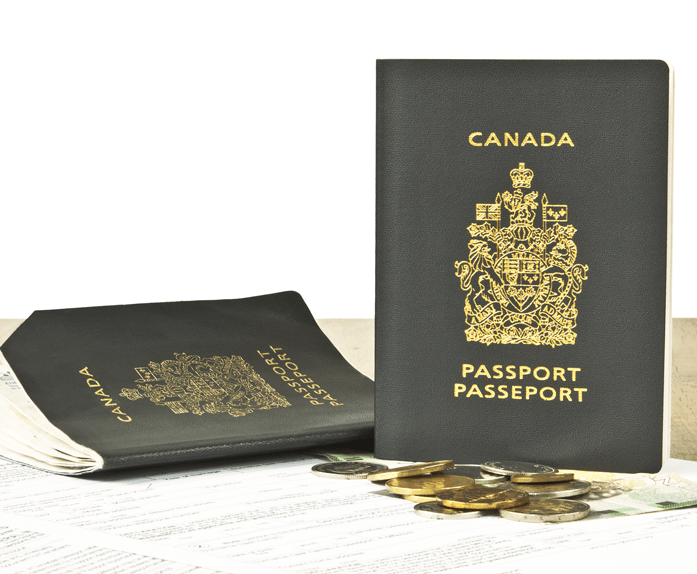
    Becoming a Canadian also means that you will be issued a Canadian passport, which happens to be one of the best and most powerful passports in the world. Holding a Canadian passport means that you may travel visa-free to 166 countries* and it also allows you to exit and re-enter Canada freely without any trouble. When you are a Canadian citizen, you never have to worry about losing status, unlike if you are a permanent resident, you will need to comply to some residency requirements.

    If ever you are convicted of a crime in Canada as a citizen, you will not lose your citizenship, but if you are a permanent resident, you might face deportation. You also do not have to worry about renewing your immigration documents because once you gain your citizenship, it stays with you forever. The only document you need to renew every ten years is your Canadian passport.

    Aside from these great benefits, being able to call yourself a Canadian citizen hold much more value – it means you have access to freedom, rights, and equality. Canada is an amazing, welcoming and multicultural country and I know you will be proud to call yourself a Canadian citizen because I am proud to be one.

    Requirements for Becoming a Canadian Citizen:

    After reading the above benefits, you are now fully convinced that you truly wanted to become a Canuck (a slang term for Canadians… don’t worry the article about Canadian slangs will be posted soon!!). But how do you become one?

    The following are the requirements to be qualified to apply for Canadian Citizenship:

    1. You must have a Permanent Resident (PR) status in Canada. Regardless of age, if you are applying for citizenship, you must have a PR status in Canada, which also signifies that you must NOT:
      • be under review for immigration or fraud reasons
      • be requested by Canadian officials to leave Canada (removal order)
      • have unfulfilled conditions related to your PR status, such as medical screening
    2. Have lived in Canada for at least 3 years (out of the last 5 years). You need to ensure that you have been physically present in Canada for at least 1095 days (or 3 years) during the last five years from the date you submitted your application.
    3. You have filed your Income Taxes, as needed
    4. Proven Language Skills in English or French
      • If you’re 18 to 54 years of age on the day you sign and submit your application, you must prove that you can speak and listen at the Canadian Language Benchmarks (CLB) Level 4 or higher in either English or French (which is Canada’s 2 official languages). Certificates, Diplomas or tests that prove your language skills may be submitted along with your application.
    5. Show how well you know about Canada by passing the citizenship test
      • If you’re 18 to 54 years of age on the day you sign and submit your application, you need to take the citizenship test. You’ll need to answer questions about the rights and responsibilities of Canadians and Canada’s (a) history, (b) geography, (c) economy, (d) government, (e) laws, etc.
      • The test may be taken in either English or French and consists of 20 multiple-choice and true-or-false questions. It is based on the official citizenship guide (Discover Canada) and you need to get a passing rate of at least 75% (or 15 correct answers out of 20).

    Ready to take that leap of faith? JCA Law office can help you get started by assisting you in getting that Permanent Resident status.

    You may also send us an email at info@jcalaw.ca.

    References:

    *Passport Index https://www.passportindex.org/?country=ca

    Government of Canada: https://www.canada.ca/en.html

  • Detailed list of updated Ontario court fees

    Detailed list of updated Ontario court fees

    Court fees

    Ontario Court Fee Changes effective April 1st, 2019

    Please take note that effective April 1st, 2019. the new court fees are as follows:

    Small Claims Court (Fees Payable to Clerk)

    TYPE OF FEEOLDNEW
    Filing of a claim by an infrequent claimant95.00102.00
    Filing of a claim by a frequent claimant200.00215.00

    Superior Court of Justice and Court of Appeal Fee Schedule (Family matters):

    TYPE OF FEEOLDNEW
    On the filing of an application157.00202.00
    On the placing of an application on the list for hearing280.00420.00
    On the issue of a certificate with not more than five pages of copies of the Court document annexed19.0024.00

    For a more detailed list of updated Ontario court fees, kindly click on the following link:

    https://www.ontario.ca/laws/regulation/920293

  • Four (4) reasons why Canada is a top choice for international students

    Four (4) reasons why Canada is a top choice for international students

    4 reasons why Canada is a top choice for international students

    Canada is a very diverse country. It is an excellent choice for new incoming students with nearly half a million coming in every year.

    These are some reasons why it has become a top choice for international students:

    1. Without a doubt, Canada has some of the world’s top-ranked universities. The University of Toronto, McGill University, and the University of British Columbia placed in the top 50 schools in the world, according to the Times’ 2019 World University rankings.

    2. Canadian colleges and universities also have a ton of clubs, communities, and extracurricular activities that students go to participate. There are many ways for students to go out and enjoy their school years. Most universities and colleges also have programs specifically for international students, which allows others to get along and connect from around the world.

    3. Canadian schools are fair in cost. On average, international students pay almost 50% less in tuition costs in Canada rather than in the United States. The cost of living in Canada is also affordable, with the housing and rental rates shifting based on where you choose to live.

    4. The Canadian government has made it easy for international students to immigrate after they graduate. Most international students will be able to apply for a Post Graduation Work Permit, which allows them to stay in Canada and start working after graduating.

    After just one year of Canadian work experience, many international students graduates are eligible to apply for permanent resident status.

    Canada recently announced to accept more than 1 million new immigrants in the next three years. That’s the highest number in Canada history. Canadians recognize the importance of the new incomers, and they support immigration to Canada. The country is very open-minded towards newcomers from all over the world.

    Related Topic: Am I qualified for post graduation work permit?

  • LMIA Canada 2026: Complete Employer Guide for Hiring Filipino Workers

    LMIA Canada 2026: Complete Employer Guide for Hiring Filipino Workers

    The Labour Market Impact Assessment (LMIA) is the gateway document that Canadian employers must obtain before hiring most foreign workers. For Filipino workers and the Canadian employers who want to hire them, understanding the LMIA process is essential. This comprehensive 2026 guide covers every aspect of the LMIA — from high-wage and low-wage stream differences to the latest regional restrictions, fees, processing times, and practical tips for success.

    Last updated: October 4, 2026. This guide reflects ESDC’s LMIA processing times for August 2026, the median wage thresholds for LMIAs received as of July 17, 2026, and the current advertising, workforce-cap and regional refusal rules.

    LMIA processing times (as of August 2026)

    • High-wage stream: 90 business days
    • Low-wage stream: 82 business days
    • Global Talent Stream: 10 business days
    • Agricultural stream: 25 business days
    • Seasonal Agricultural Worker Program: 6 business days
    • Permanent resident stream: 156 business days

    Averages for LMIAs processed in August 2026, counted from a complete application to a decision. ESDC updates these figures monthly. Check the official LMIA processing times.

    What Is an LMIA and Why Is It Needed?

    A Labour Market Impact Assessment (LMIA) is a document issued by Employment and Social Development Canada (ESDC) that a Canadian employer must obtain before hiring a foreign worker. The LMIA verifies that:

    • There is a genuine need for a foreign worker to fill the position
    • No Canadian citizen or permanent resident is available to do the job
    • Hiring the foreign worker will have a positive or neutral impact on the Canadian labour market
    • The employer is offering wages and working conditions that meet Canadian standards

    A positive LMIA (sometimes called a “confirmation letter”) allows the foreign worker to apply for a work permit through Immigration, Refugees and Citizenship Canada (IRCC). Without a positive LMIA, most employer-specific work permit applications cannot proceed.

    For the Filipino community, the LMIA is particularly significant. Thousands of Filipino workers come to Canada each year as caregivers, skilled tradespeople, healthcare workers, food service workers, and professionals. The LMIA is often the first critical step in their Canadian journey — and for many, it becomes a pathway to permanent residency.

    High-Wage vs. Low-Wage LMIA Streams: Key Differences

    The Temporary Foreign Worker Program (TFWP) divides LMIA applications into two main streams based on the provincial or territorial median hourly wage. Whether your job offer falls above or below this threshold determines which set of rules applies.

    2025–2026 Provincial Median Wage Thresholds

    These thresholds apply to LMIAs received as of July 17, 2026 and are used to classify positions as high-wage or low-wage:

    Province / TerritoryMedian Hourly Wage Threshold
    Ontario$36.92
    British Columbia$38.40
    Alberta$37.50
    Quebec$36.00
    Saskatchewan$34.62
    Manitoba$31.33
    Nova Scotia$31.96
    New Brunswick$31.73
    Newfoundland and Labrador$33.60
    Prince Edward Island$31.20
    Yukon$45.60
    Northwest Territories$48.00
    Nunavut$45.00
    Source: ESDC median wage thresholds, effective July 17, 2026 (figures already include the 20% high-wage uplift). Reviewed annually.

    If the wage you are offering is at or above the threshold for your province, you apply under the High-Wage Stream. If it is below the threshold, you apply under the Low-Wage Stream.

    Comparison: High-Wage vs. Low-Wage LMIA Streams

    FeatureHigh-Wage StreamLow-Wage Stream
    Wage RequirementAt or above provincial medianBelow provincial median
    Transition PlanRequired (plan to reduce reliance on TFWs)Not required
    Workforce CapNo cap10% of workforce at the work location (20% for construction, food manufacturing, hospitals, nursing and residential care facilities, and in-home caregiver positions). Fewer than 10 employees: maximum 1 TFW (10% cap) or 2 (20% cap)
    Work Permit DurationSet by the job offer and LMIAMaximum 1 year
    Regional RestrictionsGenerally not affected by regional unemploymentRefused in CMAs with unemployment ≥ 6%
    Housing RequirementNot requiredMust provide or ensure affordable, suitable housing (< 30% of pre-tax income)
    TransportationNot required (but recommended)Must pay round-trip transportation to and from Canada
    Processing Time90 business days (August 2026 average)82 business days (August 2026 average)
    Application Fee$1,000 per position$1,000 per position

    Important for Ontario Employers: With Ontario’s median wage threshold at $36.92/hour, many positions in food service, retail, hospitality, and caregiving fall under the Low-Wage Stream. This means additional requirements including housing, transportation, and regional unemployment restrictions apply. Employers in the GTA should plan accordingly.

    LMIA Application Process: Step-by-Step

    The LMIA application process requires careful planning and documentation. Here is a detailed breakdown of each step:

    Step 1: Determine Your Stream

    Compare the wage you plan to offer against the provincial median hourly wage for your province (see table above). This determines whether you apply under the High-Wage or Low-Wage Stream and the specific requirements that apply.

    Step 2: Conduct Recruitment Advertising

    Before applying, you must demonstrate genuine efforts to hire Canadians and permanent residents. Advertising must meet these requirements:

    • Minimum 3 recruitment methods:
      • Job Bank posting (mandatory) — using the Job Match service
      • At least 2 additional methods (e.g., industry websites, newspapers, job fairs, recruitment agencies)
    • Duration: Advertisements must run for a minimum of 4 consecutive weeks (High-Wage) or 8 consecutive weeks (Low-Wage) within the 3 months before your LMIA application
    • Ongoing requirement: At least one recruitment method must remain active until a decision is made on your LMIA
    • Job Match: You must invite all Job Bank candidates rated 4 stars or higher (High-Wage) or 2 stars or higher (Low-Wage) to apply within the first 30 days

    Your job advertisements must include:

    • Company name and business address
    • Job title and detailed duties
    • Terms of employment (full-time, permanent, etc.)
    • Language of work
    • Wages (including any raises or bonuses), which must meet the prevailing wage
    • Benefits offered
    • Work location(s)
    • Contact information
    • Skill and experience requirements

    Step 2A: Target Underrepresented Groups (Low-Wage Stream)

    For the Low-Wage Stream, at least two of your additional recruitment methods must target underrepresented groups, including:

    • Vulnerable youth
    • Indigenous peoples
    • Newcomers to Canada
    • Persons with disabilities
    • Asylum claimants

    Step 3: Determine the Prevailing Wage

    You must offer the prevailing wage, which is the higher of:

    1. The Job Bank median wage for the specific occupation and work location, OR
    2. The wage range you currently pay existing employees in the same position with similar experience

    Only guaranteed wages count — overtime, tips, bonuses, commissions, and benefits are excluded. Employers must review and update the prevailing wage annually using the latest Job Bank data (updated each fall).

    Warning: If the wage in your advertisement does not match the prevailing wage, your LMIA application will be refused, and you will need to re-advertise for the full period (4 weeks High-Wage, 8 weeks Low-Wage) and start the process over. This is one of the most common reasons for LMIA refusal. Double-check wages before advertising.

    Step 4: Prepare Your Transition Plan (High-Wage Only)

    If applying under the High-Wage Stream, you must submit a Transition Plan describing your activities to recruit, retain, and train Canadians and permanent residents, and how you will reduce reliance on the TFWP over time.

    Exemptions from the Transition Plan requirement:

    • In-home caregivers and healthcare providers
    • Primary agriculture and Seasonal Agricultural Worker Program (SAWP) positions
    • Positions of limited duration (up to 2 years maximum)
    • Positions requiring unique, individual-specific skills
    • Applications supporting permanent residency only (no work permit)

    Step 5: Gather Required Documents

    Prepare the following documentation for your LMIA application:

    • Completed LMIA application form (EMP 5593 or EMP 5626)
    • Business registration and incorporation documents
    • Proof of recruitment efforts (copies of all advertisements with dates)
    • Proof of Job Bank posting and Job Match invitations
    • Records of all Canadian applicants interviewed and reasons for rejection
    • Transition Plan (High-Wage Stream)
    • Proof of business legitimacy (business licence, CRA documents, financial statements)
    • Housing inspection report or housing offer (Low-Wage Stream)
    • Proof of private health insurance coverage for the worker (if applicable)
    • $1,000 processing fee per position (credit card or certified cheque)

    Step 6: Submit the LMIA Application

    Submit your completed application to Service Canada through the LMIA Online Portal or by mail. Applications are assessed based on:

    • Whether the job offer is genuine
    • Whether adequate recruitment efforts were made
    • Whether wages and working conditions meet Canadian standards
    • The impact on the Canadian labour market
    • Whether the employer has a track record of compliance

    Step 7: Receive LMIA Decision

    If approved, you receive a positive LMIA (confirmation letter). The worker then uses this to apply for a work permit through IRCC. The positive LMIA is valid for up to 6 months from the date of issuance (for LMIAs received as of May 1, 2024; SAWP excepted).

    Advertising Requirements in Detail

    Proper recruitment advertising is the foundation of a successful LMIA application. Getting this wrong is one of the most common reasons for refusal.

    RequirementDetails
    Job Bank PostingMandatory for all LMIA applications. Must use the Job Match service.
    Additional MethodsMinimum 2 other methods (High-Wage: 1 must be national in scope; Low-Wage: must target underrepresented groups)
    DurationMinimum 4 consecutive weeks (High-Wage) or 8 consecutive weeks (Low-Wage) within 3 months before LMIA submission
    Ongoing RecruitmentAt least 1 method must remain active until LMIA decision
    Job Match InvitationsMust invite all 4-star+ (High-Wage) or 2-star+ (Low-Wage) candidates within first 30 days
    Record KeepingMust maintain records of all recruitment efforts for inspection purposes
    Primary AgricultureAs of January 1, 2026, proof of advertisement submission is required again (reinstated)

    Acceptable additional recruitment methods include:

    • Professional recruitment agencies
    • Specialized occupational websites (e.g., Indeed, LinkedIn, Workopolis)
    • National or local newspapers
    • Job fairs and career events
    • Union consultations
    • Internal promotion or transfer
    • Community organizations serving underrepresented groups

    Prevailing Wage Determination

    Getting the wage right is critical. The prevailing wage is the minimum wage you must offer to the foreign worker. It is determined as follows:

    1. Look up the Job Bank median wage for the specific NOC code and work location
    2. Compare this to the wage you currently pay existing employees in the same role
    3. Offer whichever is higher

    The prevailing wage data on Job Bank is updated annually each fall. Employers must reassess wages by January 1 following each annual update.

    Tip for Employers: Use the Job Bank Wage Report to look up the prevailing wage for any occupation by NOC code and location. Always verify this before advertising the position.

    2026 LMIA Reforms and Regional Restrictions

    The Canadian government has made significant changes to the LMIA program in 2025 and 2026, primarily aimed at protecting the domestic labour market during a period of elevated unemployment in several regions.

    Major 2025–2026 LMIA Policy Changes

    ChangeDetailsEffective Date
    LMIA Validity ReducedPositive LMIAs now valid for up to 6 monthsMay 1, 2024
    Regional Unemployment FreezeLow-wage LMIAs refused in CMAs with unemployment ≥ 6%September 26, 2024
    Workforce Cap ReducedLow-wage TFW cap reduced to 10% of workforce (from 20%)2024
    Work Permit Duration CutLow-wage work permits reduced to 1 year (from 2 years)2024
    Regional List Updated QuarterlyCMAs move on and off the low-wage refusal list each quarter (Vancouver, Montréal and Moncton went back on it from July 10, 2026)Quarterly
    Agriculture Advertising ReinstatedPrimary agriculture LMIA applications must include proof of advertisementJanuary 1, 2026
    TFWP Admissions TargetTemporary Foreign Worker Program admissions target of 60,000 for 20262026

    Regional Restrictions: Where Low-Wage LMIAs Are Processed

    Since September 2024, Service Canada refuses to process low-wage LMIA applications in Census Metropolitan Areas (CMAs) where the unemployment rate is 6% or higher. This list is updated quarterly.

    The list of CMAs changes every quarter, so check it before you advertise: ESDC publishes the current unemployment rate for each CMA on its Refusal to process an LMIA application page. CMAs move on and off the list. For example, Vancouver, Montréal and Moncton went back onto the refusal list for the July 10 – October 8, 2026 period.

    Important for GTA Employers: Toronto is on the refusal list for low-wage LMIAs (unemployment rate 7.3% for the July 10 – October 8, 2026 period). If you need to hire foreign workers in the GTA for positions below the $36.92/hour threshold, you will need to explore alternative strategies such as the High-Wage Stream, LMIA-exempt work permits, or Provincial Nominee Programs. Contact JCA Law Office to discuss your options.

    Exemptions from the regional refusal: Even in CMAs on the list, ESDC continues to process low-wage LMIA applications for:

    • Occupations in primary agriculture
    • Positions in construction (NAICS 23), food manufacturing (NAICS 311), hospitals (NAICS 622), and nursing and residential care facilities (NAICS 623)
    • Specific in-home caregiver positions in a private household (NOC 31301, 32101, 44100, 44101). In Québec CMAs, this applies only to care for a person with medical needs, with a physician’s note
    • Positions supporting permanent residency only (no work permit)
    • Short-duration positions, generally 120 calendar days or less, that are truly temporary or highly mobile (a written exemption request is required)

    Separately, ESDC does not process in-home caregiver positions with a live-in requirement (see the caregiver section below), and it temporarily refuses to process certain low-wage positions in the economic regions of Montréal and Laval.

    LMIA Fees and Costs

    Cost ItemAmountNotes
    LMIA Processing Fee$1,000 per positionNon-refundable (except for payment errors). Cannot be recovered from the worker.
    Fee Exemptions$0Primary agriculture, caregiving for medical needs, and childcare positions (household income ≤ $150,000)
    Recruitment AdvertisingVariesVaries by method (Job Bank is free; Indeed, newspapers, and agencies cost more)
    Legal FeesVariesImmigration lawyer fees for LMIA preparation and submission
    Housing (Low-Wage)VariesEmployer must provide or ensure suitable, affordable housing
    Transportation (Low-Wage)VariesEmployer must pay round-trip transportation to and from Canada
    Health InsuranceVariesPrivate health insurance until provincial coverage begins

    Critical Rule: Employers are strictly prohibited from recovering the $1,000 LMIA processing fee from the foreign worker. Doing so is a violation of TFWP regulations and can result in penalties, bans, and placement on the ineligibility list.

    LMIA Processing Times (2026)

    Processing times vary by LMIA stream and are updated monthly by Service Canada. Average processing times for August 2026:

    LMIA StreamProcessing Time
    High-Wage Stream90 business days
    Low-Wage Stream82 business days
    Global Talent Stream (GTS)10 business days
    Seasonal Agricultural Worker Program (SAWP)6 business days
    Agricultural Stream25 business days
    Permanent Residence Stream156 business days
    Source: ESDC LMIA processing times, August 2026 averages. Processing times are updated monthly and can vary based on application volume.

    After the LMIA is approved: The worker must then apply for a work permit through IRCC, which adds its own processing time. Workers applying from the Philippines can check the current estimate with IRCC’s processing times tool.

    LMIA-Exempt Categories

    Not all work permits require an LMIA. The International Mobility Program (IMP) allows certain foreign workers to obtain work permits without one. The government has planned 170,000 LMIA-exempt work permits for 2026. Key LMIA-exempt categories include:

    International Trade Agreements

    • CUSMA (formerly NAFTA): Professionals, intra-company transferees, and traders/investors from the US and Mexico
    • CETA: Similar provisions for EU nationals
    • Other trade agreements: Various bilateral and multilateral agreements

    Intra-Company Transfers (ICT)

    • Multinational companies transferring executives, managers, or specialized knowledge workers to Canadian branches
    • Must have worked continuously for the company for at least 1 year
    • Work permits issued for up to 3 years (with extensions of up to 2 years)

    Significant Benefit

    • Employment that provides significant social, cultural, or economic benefit to Canada
    • Assessed based on the worker’s track record and expert recommendations

    Other LMIA-Exempt Work Permits

    • Post-Graduation Work Permits (PGWP): For international graduates of Canadian institutions
    • International Experience Canada (IEC): Youth mobility exchange programs
    • Spousal Open Work Permits: For spouses of skilled workers or international students
    • Bridging Open Work Permits: For workers transitioning to permanent residency
    • Caregiver Pilot Programs: Home Care Worker Immigration pilots (no LMIA required; new intake paused since December 19, 2025)

    Caregiver LMIA: Special Considerations

    Caregiving is one of the most common pathways for Filipino workers coming to Canada. Understanding the LMIA landscape for caregivers is essential.

    Caregiver Pilot Programs (LMIA-Exempt, Intake Paused)

    IRCC’s Home Care Worker Immigration pilots (Home Child Care Provider and Home Support Worker) let caregivers apply without an LMIA. IRCC paused new application intake on December 19, 2025, “until further notice”, and confirmed that intake will not reopen in March 2026. Applications already submitted continue to be processed. Read IRCC’s notice.

    Traditional Caregiver LMIA

    For caregivers who do not qualify under the pilot programs, an employer may still apply for an LMIA under the in-home caregiver stream. Key rules include:

    • The $1,000 LMIA fee may be exempt for caregiving positions for persons with medical needs and childcare positions where household income is $150,000 or less
    • Applications for in-home caregiver positions with a live-in requirement are not processed, unless the position serves clients with high medical needs (with a physician’s note) or there are truly exceptional circumstances
    • In-home caregiver positions (NOC 31301, 32101, 44100, 44101) are subject to the workforce cap at 20%, not exempt from it. A household with fewer than 10 employees can hire at most 2 low-wage TFWs
    • Specific in-home caregiver positions in a private household are exempt from the regional unemployment refusal (in Québec CMAs, only for care for a person with medical needs)

    Filipino Caregivers: The Caregiver Pilot Programs offer a pathway to permanent residency, but new intake has been paused since December 19, 2025. JCA Law Office has extensive experience helping Filipino families navigate both the LMIA-based and pilot program pathways. Book a consultation to discuss which route is best for your situation.

    Common Reasons for LMIA Refusal

    Understanding why LMIAs get refused can help you avoid costly mistakes. Here are the most common grounds for refusal:

    1. Inadequate Recruitment Efforts

    • Advertisements did not run for the full required period (4 consecutive weeks High-Wage, 8 Low-Wage)
    • Fewer than 3 recruitment methods used
    • Job Bank posting not using the Job Match service
    • Did not invite Job Match candidates at the required rating (4 stars+ High-Wage, 2 stars+ Low-Wage)
    • Recruitment not ongoing at time of LMIA decision
    • Advertisements missing required details (wage, duties, location, etc.)

    2. Incorrect or Non-Competitive Wages

    • Wage offered is below the prevailing wage for the occupation and location
    • Wage in the advertisement does not match the LMIA application
    • Failure to update wages after the annual Job Bank data update

    3. Job Offer Not Genuine

    • The employer is not actively engaged in the business
    • There is no reasonable employment need for the position
    • The position was created primarily to facilitate a work permit rather than meet a genuine business need

    4. Regional Unemployment Restrictions

    • Low-wage application submitted for a CMA with unemployment ≥ 6%
    • This is an automatic refusal — no discretion involved

    5. Workforce Cap Exceeded

    • The employer already has 10% (or 20% for designated sectors and in-home caregiver positions) of their workforce in low-wage TFW positions

    6. Employer Compliance Issues

    • Employer is on the IRCC ineligibility list due to past non-compliance
    • History of unpaid wages, misreporting, or failure to maintain proper records
    • Previous LMIA revoked within the past 2 years for providing false or misleading information
    • Employer found to have insufficient financial ability to pay wages for the employment duration

    7. Incomplete Documentation

    • Missing required documents or forms
    • Unsigned or incomplete application forms
    • Missing proof of business legitimacy

    Tips for Employers Hiring Filipino Workers

    Filipino workers are among the most sought-after foreign workers in Canada, known for their strong work ethic, English proficiency, and adaptability. Here are practical tips for Canadian employers looking to hire Filipino talent:

    1. Start the Process Early

    The LMIA process takes time. The advertising period (4 weeks High-Wage, 8 weeks Low-Wage) plus average LMIA processing (90 or 82 business days in August 2026) comes to roughly 5 to 6 months before the worker can apply for a work permit, and IRCC’s work permit processing comes on top of that. Plan accordingly.

    2. Work with an Immigration Lawyer

    The LMIA process is detailed and technical. A single error in your advertising, wage calculation, or documentation can result in refusal — and you would need to start the recruitment process over. An experienced immigration lawyer can ensure your application is complete, compliant, and positioned for approval.

    3. Offer Competitive Wages and Benefits

    The prevailing wage is the minimum, not the target. Offering competitive wages demonstrates genuine need and makes your application stronger. Consider offering benefits like health insurance, transportation support, and settlement assistance.

    4. Understand Cultural Considerations

    Filipino workers bring valuable cultural assets to Canadian workplaces. Understanding Filipino workplace culture can help build productive working relationships:

    • Respect for authority: Filipino workers may be reluctant to question instructions or report issues. Create an open, supportive environment where concerns can be raised safely.
    • Strong community ties: Many Filipino workers have obligations to family back home. Showing understanding of remittance needs and family commitments builds loyalty.
    • Avoid exploitative arrangements: Never require workers to pay recruitment fees, live in your home (unless the position genuinely requires it and meets exemption criteria), or accept wages below the prevailing rate. These practices are illegal and harm both the worker and your business.

    5. Keep Impeccable Records

    ESDC can inspect your compliance at any time. Maintain detailed records of:

    • All recruitment advertisements (with dates and screenshots)
    • Resumes of Canadian applicants and reasons for rejection
    • Pay stubs, work schedules, and employment contracts
    • Housing arrangements and inspections (Low-Wage Stream)
    • Transportation receipts (Low-Wage Stream)

    6. Plan for Pathways to Permanent Residency

    Many Filipino workers are seeking a long-term future in Canada. Supporting their path to permanent residency — whether through Provincial Nominee Programs, Express Entry, or Caregiver Pilots — helps you retain skilled, experienced workers and demonstrates your commitment to their wellbeing.

    7. Beware of LMIA Fraud and Scams

    Unfortunately, LMIA fraud is a significant issue that affects Filipino workers. Be aware of:

    • Ghost employers who charge fees for fake LMIA applications
    • Recruiters who charge workers any fee to get the job. In Ontario that is illegal whatever the amount, and recruiters must hold an Ontario licence
    • Wage theft schemes where the worker is promised one wage but paid less

    As a legitimate employer, working with a licensed immigration lawyer protects both you and the worker from these risks.

    Frequently Asked Questions

    How much does an LMIA cost?

    The LMIA processing fee is $1,000 per position. This fee is paid by the employer and cannot be recovered from the worker. Some positions are exempt from the fee, including primary agriculture and certain caregiver roles. Additional costs include recruitment advertising and legal fees.

    How long does the LMIA process take?

    Processing times vary by stream. ESDC’s August 2026 averages were 90 business days for high-wage, 82 business days for low-wage, and 10 business days for the Global Talent Stream. Add the mandatory advertising period (4 weeks high-wage, 8 weeks low-wage), which brings the total to roughly 5 to 6 months before the work permit application, plus IRCC’s work permit processing time.

    Can I apply for an LMIA in Toronto for a low-wage position?

    Not at present. Toronto is on ESDC’s refusal list for low-wage LMIAs (unemployment rate 7.3% for the July 10 – October 8, 2026 period, above the 6% threshold). Exceptions exist for primary agriculture, construction, food manufacturing, hospitals and nursing facilities, specific in-home caregiver positions, and short-duration positions (generally 120 days or less). The list is updated quarterly; check ESDC’s current list.

    What is the difference between an LMIA and a work permit?

    An LMIA is a document obtained by the employer confirming that hiring a foreign worker will not negatively impact the Canadian labour market. A work permit is obtained by the worker and authorizes them to work in Canada. The worker typically needs a positive LMIA before they can apply for a work permit.

    Can my worker change employers with an LMIA-based work permit?

    LMIA-based work permits are employer-specific, meaning the worker can only work for the employer named on the permit. If the worker wants to change employers, the new employer must obtain a new LMIA and the worker must apply for a new work permit.

    What happens if my LMIA is refused?

    If your LMIA is refused, you can address the issues identified and reapply. There is no formal appeal process, but you may request a reconsideration. You will need to pay the $1,000 fee again. If the refusal was due to inadequate advertising, you must conduct new recruitment for the full 4 weeks before reapplying.

    How long is a positive LMIA valid?

    A positive LMIA is valid for up to 6 months from the date of issuance. The worker must apply for their work permit within this window. If the LMIA expires before the work permit is obtained, the employer must apply for a new LMIA.

    Do I need an LMIA to hire a Filipino caregiver?

    Not necessarily. IRCC’s Home Care Worker Immigration pilots let caregivers apply without an LMIA, but IRCC paused new intake on December 19, 2025, until further notice. While the pause lasts, a family hiring a caregiver from abroad may need a traditional caregiver LMIA.

    How JCA Law Office Can Help

    At JCA Law Office Professional Corporation, we have extensive experience helping Canadian employers navigate the LMIA process and hire Filipino workers. Our services include:

    • LMIA Application Preparation: Complete preparation and submission of your LMIA application, including recruitment strategy, advertising compliance, wage analysis, and documentation
    • Stream Selection Strategy: Advising on whether the High-Wage, Low-Wage, Global Talent Stream, or an LMIA-exempt pathway is best for your situation
    • Work Permit Applications: Assisting the worker with their work permit application after LMIA approval
    • Compliance Support: Helping employers maintain records and meet ongoing TFWP compliance requirements
    • Caregiver Programs: Guiding families and caregivers through both LMIA-based and pilot program pathways
    • Permanent Residency Pathways: Planning for the worker’s transition from temporary work permit to permanent residence through Express Entry, PNPs, or Caregiver Pilots

    As a Filipino-Canadian law firm, we understand the unique dynamics of hiring Filipino workers and can bridge the cultural and legal gap to ensure a smooth process for both employers and workers.

    Ready to Start Your LMIA Application?

    Whether you are a Canadian employer looking to hire Filipino talent or a Filipino worker seeking guidance on the LMIA process, JCA Law Office is here to help. Our team provides personalized, culturally sensitive legal services in English, Filipino, and Tagalog.

    Call us at 855-522-5290 or email info@jcalaw.ca

    Official Government Resources:

  • 17 Million people have immigrated to Canada since 1967

    17 Million people have immigrated to Canada since 1967

    Canada is a nation of Immigrants

    Canada is a nation composed mostly of immigrants. If you’re not indigenous, then you or your family originally came here from another country like the Philippines, China, Korea, Brazil, France, Egypt, Iran, and Saudi Arabia and almost all over the world.

    In fact, 17 million people have immigrated to Canada since 1867. Some fled war or poverty, others just wanted more lucrative jobs. All sought a better life. And Immigration policy keeps changing based on the experiences and a necessity to improve the protocols.

    When it comes to weather, we have four seasons, and at this moment, it is winter. Canada is cold during this season but still, people from different parts of the world want to come here despite the weather and the challenges they may encounter as they move forward.

    New immigrants can feel isolated, lonely, and homesick during the first year of their stay in Canada. A year and not so easy adjustment to some people. Canada is a country where we believe that our lives will be better, our dreams would be fulfilled. Our families will enjoy what Canada could offer to us.

    If we are not indigenous then we are all Immigrants

    Where are you from? Is this the question coming from the Immigrant himself? Is this good or bad? What do you think?

    Some people were intimated when someone is asking that. Some were okay because, for them, people are just curious about your origin. Some people are just looking for acquaintances with the same country, color, and culture. In short, some of them are looking for a specific group whom they are comfortable to hang out with the same ethnicity and geographical background.

    You said no, do you have another thing in mind? I know there are some people are here just to annoy, bully some new immigrants to prove that they are stronger, higher class immigrants compared to those they want to intimidate.

    Believe me, these are just a few reasons why they are asking a question like “Where are you from?” Not definitely bad at all, because some of those people are asking out of some reasons and curiosity.

    The 1st generation Immigrants experienced the hardest life when it comes to work and economic struggles.

    The first generation immigrants, like me, are the one who will experience the hardest challenges. We are looking for a way to give our family the basic commodities and a need to live on a daily basis. Our characters will be challenged if we wrestle the economic difficulties and find ways to make our lives better, productive and fulfilling.

    Their children, my children are also faced with some interesting questions about their cultural identities, clashing with us, their parents over values. Many struggles to redefine themselves later as adults more comfortable with their backgrounds. But most respect their parents and are grateful for the lessons we taught them.

    I am an immigrant, too!

    I have three boys, Terenz, Daren, and Clarenz who came with me to Toronto, Canada. They were grown good-looking and strong teenagers now. On their first year, it was a mixed emotion because everything is new and curiosity is always there. They were happy and nervous at the same time because of the new environment, new schoolmates and different skin colors or nationalities.

    After seven years here in Canada, they have so many questions about the diversities and dream job. How they can be financially secured and what programs do they need to take in order to get the high-paying jobs? It is hard to tell because even me, I need to pause and think to answer their questions. And I asked the same thing about it, would it be marketable after they completed it? Will it be a question too of whom you know inside in order for you to get the job you want?

    Where are you from? This question sometimes raised fear, intimidation, and curiosity. To some, it is just a way of finding peers or group that could understand your traditions and share the values you grew up from your hometown. And I have so many good memories from home. To answer the question, We are from Cabanatuan City, Nueva Ecija and it is 4 hours drive from Manila. The answer is just simple but if you are new in this country, you are hesitated. it has so many chunks of reservation if you will reply or walk away

    Believe me, it is not easy at first to become an immigrant but given the right resources, right people, and connection. Canada has a lot to offer!

    Equip our children with the tools to use while they are growing up.

    So many questions, pending answers but it is you and our children can answer all of these based on their experiences. As parents, let us give them the tools, values and kind words to use in their daily lives. Carrying those values and tradition will make a better change. Canada has a different culture because of diversities and each color represents the good traditions from their own hometown. For this reason, be understanding and learn how to deal and get along with these amazing people.