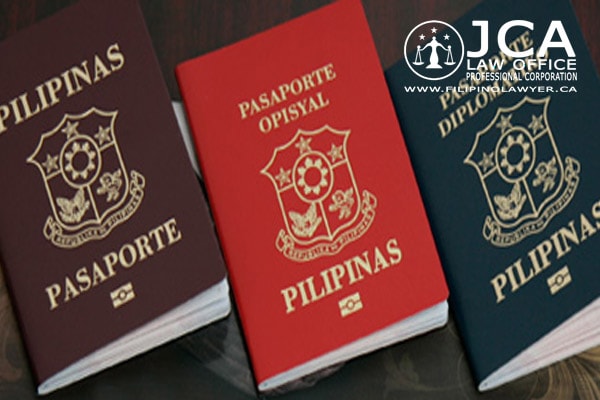
Category: Philippine Consulate

  • PSA Birth Certificate from Canada: Complete 2026 Guide for Filipinos

    If you are a Filipino living in Canada and need a PSA birth certificate, you are not alone. Thousands of Filipinos across the Greater Toronto Area and beyond require this essential document every year for immigration applications, passport renewals, dual citizenship filings, and legal transactions in the Philippines. This comprehensive 2026 guide walks you through every method available to obtain your PSA birth certificate from Canada, including current fees, processing times, and practical tips from our experience helping Filipino-Canadian clients.

    What Is a PSA Birth Certificate?

    A PSA birth certificate is the official certified copy of your Certificate of Live Birth (COLB) issued by the Philippine Statistics Authority (formerly known as the National Statistics Office or NSO). The PSA serves as the central repository of all civil registry documents in the Philippines, including birth, marriage, death, and CENOMAR (Certificate of No Marriage) records.

    The PSA birth certificate printed on official security paper (SECPA) is the only version accepted by government agencies, embassies, and courts for legal purposes. Photocopies, local civil registrar copies, or expired PSA certificates may be rejected.

    Key Fact: The PSA was formerly known as the NSO (National Statistics Office). If you have an older “NSO birth certificate,” it may still be valid for some purposes, but many agencies now require a recently issued PSA copy printed within the last 6 to 12 months.

    Why Do Filipinos in Canada Need a PSA Birth Certificate?

    Filipino-Canadians frequently need a PSA birth certificate for a wide range of legal and administrative purposes. Here are the most common reasons our clients at JCA Law Office request this document:

    Immigration and Sponsorship Applications

    • Spousal sponsorship — IRCC requires proof of identity and civil status for both sponsors and applicants
    • Parent and grandparent sponsorship — birth certificates establish the family relationship
    • Super Visa applications — proof of relationship between the inviter and the visiting parent or grandparent
    • Permanent residence applications — required as a primary identity document

    Philippine Government Requirements

    • Philippine passport renewal — the consulate requires a PSA birth certificate as a supporting document
    • Dual citizenship application (RA 9225) — one of the mandatory requirements for reacquiring Philippine citizenship
    • Report of Marriage — registering your Canadian marriage with the Philippine government
    • NBI clearance application — may be required for identity verification

    Legal and Property Transactions

    • Estate and property transactions in the Philippines, including inheritance claims and land title transfers
    • Court proceedings such as annulment or legal name changes
    • Insurance claims and pension applications (SSS, GSIS)
    • Bank account requirements for Philippine financial institutions

    How to Order a PSA Birth Certificate Online from Canada

    The most convenient way to obtain your PSA birth certificate while living in Canada is through the official online portals. As of December 2025, the PSA Helpline international service is now available for Filipinos abroad.

    Option 1: PSA Helpline (psahelpline.ph) — Recommended

    PSA Helpline is the official authorized online partner of the Philippine Statistics Authority. In December 2025, PSA Helpline launched its international delivery service, making it easier than ever for Filipinos in Canada to order certificates directly.

    Step-by-step process:

    1. Visit psahelpline.ph and create an account
    2. Select “Birth Certificate” as your document type
    3. Enter the complete name of the person on the birth certificate, date of birth, and place of birth
    4. Choose delivery option — select “International” for delivery outside the Philippines
    5. Pay online using a credit card, debit card, or other accepted payment methods
    6. Track your order using the reference number provided after payment
    7. Receive your document via international courier

    Fees (PSA Helpline):

    • Birth Certificate (domestic delivery): PHP 365 per copy (includes processing + courier within Philippines)
    • Birth Certificate (international): USD 20.30 per copy via PSA Serbilis, or PHP 365 + separate international courier fee via PSA Helpline
    • CENOMAR: PHP 420 per copy (domestic delivery)
    • Marriage/Death Certificate: PHP 365 per copy (domestic delivery)

    Option 2: PSA Serbilis (psaserbilis.com.ph)

    PSA Serbilis is another official online ordering platform. The process is similar to PSA Helpline:

    1. Visit psaserbilis.com.ph and register
    2. Select your document type and enter required details
    3. Choose your delivery method and pay online
    4. International orders cost approximately USD 20.30 per copy

    Option 3: Order to a Philippine Address, Then Forward to Canada

    Many Filipinos in Canada use a trusted family member or friend in the Philippines as a relay. Here is how:

    1. Order through PSA Helpline or PSA Serbilis with a Philippine delivery address (PHP 365 per copy)
    2. Have your family member receive the document
    3. Ask them to send it to you in Canada via international courier (LBC, DHL, FedEx, or balikbayan box)

    Important: If you use this relay method, allow 4 to 6 weeks total for PSA processing (3-7 business days), domestic courier delivery (1-8 days depending on location), and international shipping to Canada (2-6 weeks depending on courier).

    Processing Times and Fees Summary

    ServiceFee per CopyProcessing TimeDelivery to Canada
    PSA Helpline (domestic delivery)PHP 365 (~CAD 9)3-7 business daysNeed relay + international courier
    PSA Helpline (international)PHP 365 + courier fee3-7 business daysDepends on courier chosen
    PSA Serbilis (international)USD 20.30 (~CAD 28)3-7 business daysVia PHLPost (6-8 weeks) or courier
    Walk-in at PSA outlet (Philippines)PHP 155 (~CAD 4)Same day to 3 daysMust be in Philippines
    PSA Digital CertificatePHP 80 (~CAD 2)Instant (digital only)N/A (not accepted for legal use abroad)

    Note on Currency: Exchange rates fluctuate. As of early 2026, PHP 1 is approximately CAD 0.025. Check the current rate when budgeting for your order. Fees quoted are approximate and subject to change by PSA.

    Through the Philippine Consulate General in Toronto

    The Philippine Consulate General in Toronto can assist with certain civil registry services, although they do not directly issue PSA certificates. The consulate can help with:

    • Report of Birth — registering a birth that occurred in Canada with Philippine civil registry
    • Correction of entries — filing petitions for clerical errors in civil registry documents
    • Authentication and notarization of supporting documents
    • Guidance on ordering PSA certificates through official online channels

    Philippine Consulate General in Toronto
    7th Floor, 160 Eglinton Avenue East
    Toronto, Ontario M4P 3B5
    Phone: (416) 922-7181
    Email: consularmatters@philcongen-toronto.com
    Hours: Monday to Friday, 9:00 AM to 4:00 PM
    (Closed on Philippine and Canadian holidays)

    The consulate advises Filipinos in Canada to order PSA certificates directly through PSA Helpline, which is now the sole authorized third-party service provider for online PSA certificate requests.

    Through Authorized Agents and Third-Party Services

    Some agencies and individuals in the Greater Toronto Area offer PSA certificate ordering services for a fee. While these services can be convenient, exercise caution:

    • Verify legitimacy — ask for references and check reviews from other Filipino-Canadians
    • Understand fees — service fees on top of PSA costs can range from CAD 50 to CAD 150 or more
    • Confirm timeline — some agents may take longer than ordering directly
    • Protect your information — you will need to provide personal details such as full name, date of birth, and parents’ names

    Warning: Only use agents you trust. Scams targeting Filipino communities do exist. When in doubt, order directly through the official PSA Helpline website at psahelpline.ph.

    DFA Apostille: Replacing the Red Ribbon

    If you need your PSA birth certificate for use in Canada — particularly for immigration or legal proceedings — it may need to be authenticated by the Philippine Department of Foreign Affairs (DFA).

    What Changed: Apostille vs. Red Ribbon

    On May 14, 2019, the Philippines officially became a party to the Hague Apostille Convention. This means:

    • The old “red ribbon” authentication system has been replaced by the Apostille
    • An Apostille is a standardized certificate attached to your document that verifies its authenticity
    • Since Canada is also a member of the Apostille Convention, Philippine documents with a DFA Apostille are recognized in Canada without further legalization
    • Documents already authenticated with a red ribbon before 2019 may still be accepted, but new requests will receive an Apostille

    DFA Apostille Process and Fees

    Processing SpeedFee per DocumentProcessing Time
    Regular processingPHP 100 (~CAD 2.50)5 working days
    Expedited processingPHP 200 (~CAD 5.00)2 working days

    The DFA Apostille can be obtained at DFA offices in the Philippines. If you are in Canada, you will need a representative in the Philippines to process this on your behalf, or you can request it through the Philippine Consulate.

    2026 Update: The DFA is piloting an e-Apostille system for PSA and SEC documents, which includes digitally signed PDFs with QR code verification. Full cross-border digital validation is expected by late 2026.

    Common Issues and How to Resolve Them

    Over the years, we have helped many Filipino-Canadian clients navigate problems with their PSA birth certificates. Here are the most common issues and their solutions:

    1. Late Registration of Birth

    If your birth was never registered or was registered late, the PSA will return a “negative result” or “no record found.” This is common for Filipinos born in rural areas where registration was not always immediate.

    Solution: You or a family member in the Philippines must file a late registration of birth at the Local Civil Registrar (LCR) of the city or municipality where you were born. Required documents typically include:

    • Baptismal certificate
    • School records (Form 137 or school ID)
    • Medical records or hospital certificate of live birth
    • Affidavit of two disinterested persons who witnessed the birth
    • Any other supporting identification documents

    After the LCR processes the late registration and transmits it to PSA, you can order your PSA birth certificate. This process can take 3 to 6 months.

    2. Name Discrepancies and Misspellings

    Differences between the name on your PSA birth certificate and your passport, immigration documents, or other IDs can cause serious problems with your application.

    Solution: File a petition for correction under Republic Act 9048 (as amended by RA 10172) at the Local Civil Registrar or the Philippine Consulate. This law allows administrative correction of:

    • Clerical or typographical errors (misspellings, wrong middle initial, transposed letters)
    • First name changes (under specific conditions)
    • Corrections to date of birth or sex (under RA 10172)

    Filing fees range from PHP 1,000 to PHP 3,000 depending on the type of correction. Processing takes 2 to 6 months.

    3. Document Is Too Old

    Some agencies and embassies require a PSA birth certificate issued within the last 6 to 12 months. If yours is older, you may need to order a new copy.

    4. Annotations or Remarks on the Certificate

    Annotations such as legitimation, adoption, or corrections may appear on your birth certificate. While these are normal, they can raise questions during immigration processing. Make sure you understand what each annotation means and prepare supporting documents if needed.

    Other PSA Documents You May Need

    When ordering your PSA birth certificate, consider ordering these related documents at the same time to save on shipping costs and processing time:

    DocumentWhat It IsCommon UseFee (Domestic Delivery)
    CENOMARCertificate of No Marriage RecordSpousal sponsorship, marriage applicationsPHP 420
    Marriage CertificateCertified copy of marriage registrationSpousal sponsorship, passport applicationsPHP 365
    Death CertificateCertified copy of death registrationEstate settlement, insurance claimsPHP 365
    Certificate of Live Birth (COLB)Same as birth certificateAll identity verification purposesPHP 365
    Advisory on Marriages (AOM)Record of marriages registeredLegal proceedings, annulment casesPHP 420

    Practical Tips for Filipino-Canadians

    Based on our experience helping Filipino-Canadian clients, here are practical tips to make the process smoother:

    Before You Order

    • Order multiple copies — you will likely need your birth certificate for several different applications (immigration, passport, dual citizenship). Order at least 3 to 5 copies to avoid having to reorder
    • Double-check your details — verify that your full name, date of birth, and place of birth match exactly what is on your passport and other legal documents before ordering
    • Plan ahead — allow a minimum of 4 to 6 weeks from ordering to receiving documents in Canada, and longer if you need corrections or DFA apostille
    • Order a CENOMAR at the same time — if you are applying for spousal sponsorship or getting married, you will likely need a CENOMAR as well

    After You Receive Your Documents

    • Check spelling carefully against your Canadian documents and passport — even minor discrepancies can delay your application
    • Make certified copies — keep the originals safe and use copies for preliminary submissions where possible
    • Store securely — PSA certificates on security paper can be damaged by water or folding. Keep them flat in a protective sleeve
    • Note the issue date — if an application requires a “recent” PSA certificate, mark your calendar to reorder when needed

    If You Have Problems

    • If PSA returns “no record found,” do not panic — this usually means the birth was not registered or there is a data mismatch. Contact the LCR in your birthplace
    • If there are errors on your certificate, file a petition for correction before using the document for any application
    • If your application is urgent, consider having a trusted family member in the Philippines visit a PSA outlet in person for faster processing

    Frequently Asked Questions

    Can I use a PSA birth certificate for Canadian immigration?

    Yes. IRCC accepts PSA birth certificates as proof of identity and civil status. Depending on the application type, you may need the document to be recent (issued within 6-12 months) and it may need to be accompanied by a DFA Apostille or a certified English translation if any portion is in Filipino.

    How long does it take to get a PSA birth certificate in Canada?

    If ordering through PSA Helpline or PSA Serbilis with international delivery, expect 3 to 8 weeks total. This includes PSA processing (3-7 business days), courier pickup arrangement, and international shipping. If you relay through a Philippine address, add time for domestic delivery and international forwarding.

    Do I need an apostille on my PSA birth certificate?

    It depends on the purpose. For IRCC immigration applications, a PSA-issued certificate on security paper is generally sufficient. For court proceedings or notarized transactions, a DFA Apostille may be required. Consult with a lawyer to confirm requirements for your specific situation.

    What if my name on the birth certificate does not match my passport?

    You will need to correct the discrepancy before using the document. File a petition under RA 9048 at the Local Civil Registrar in the Philippines or through the Philippine Consulate in Toronto. This process takes 2 to 6 months.

    Can someone else order my PSA birth certificate for me?

    Yes. You can authorize a representative in the Philippines to order and receive the certificate on your behalf. They will need a Special Power of Attorney (SPA) and a valid ID. Alternatively, you can order online yourself and have the document delivered to their address.

    Is the PSA digital certificate accepted for immigration?

    No. The PSA digital certificate (available for PHP 80) is a convenience copy for local verification purposes only. For immigration, legal proceedings, and consular services, you need the official printed copy on PSA security paper.

    What is the difference between PSA Helpline and PSA Serbilis?

    Both are authorized platforms for ordering PSA certificates online. PSA Helpline (psahelpline.ph) is the newer authorized partner and offers international delivery services launched in December 2025. PSA Serbilis (psaserbilis.com.ph) has been operating longer and also offers international ordering. You can use either platform.

    How JCA Law Office Can Help

    At JCA Law Office Professional Corporation, we understand the unique challenges Filipino-Canadians face when gathering documents from the Philippines for legal matters in Canada. Our team can assist you with:

    • Immigration applications — ensuring your PSA documents meet IRCC requirements for spousal sponsorship, PR applications, and more
    • Document review — checking your PSA birth certificate for discrepancies that could delay your application
    • Dual citizenship (RA 9225) — guiding you through the complete process, including PSA document requirements
    • Legal guidance — advising whether you need a DFA Apostille, certified translations, or additional supporting documents
    • Name correction assistance — helping you navigate the RA 9048 petition process for corrections on your birth certificate

    Related Resources

    Disclaimer: This guide is for informational purposes only and does not constitute legal advice. PSA fees, processing times, and requirements may change. Always verify current information with the official PSA website or consult with a lawyer for advice on your specific situation. Last updated: February 2026.
  • Philippine Dual Citizenship from Canada: How to Apply Under RA 9225 (2026 Guide)

    Are you a natural-born Filipino who became a Canadian citizen? You can reacquire your Philippine citizenship without giving up your Canadian citizenship. Republic Act 9225, also known as the Citizenship Retention and Re-acquisition Act of 2003, allows Filipinos who were naturalized as citizens of other countries to retain or reacquire Philippine citizenship.

    This comprehensive guide covers everything you need to know about applying for Philippine dual citizenship from Canada in 2026, including eligibility requirements, the application process, required documents, fees, and the many benefits of holding dual citizenship.

    What is RA 9225?

    Republic Act No. 9225, signed into law on August 29, 2003, is officially known as the Citizenship Retention and Re-acquisition Act of 2003. This landmark legislation allows natural-born Filipino citizens who acquired foreign citizenship through naturalization to reacquire or retain their Philippine citizenship.

    Key Feature: The Philippine Oath of Allegiance required under RA 9225 does NOT require you to renounce your allegiance to any other country. This means you can retain both Philippine and Canadian citizenship simultaneously.

    The law recognizes the reality that many Filipinos have made lives abroad while maintaining strong ties to the Philippines. It provides a legal pathway to restore Philippine citizenship rights without sacrificing the citizenship of your adopted country.

    Who is Eligible for Philippine Dual Citizenship?

    To qualify for dual citizenship under RA 9225, you must meet the following eligibility criteria:

    Natural-Born Filipinos Who Became Foreign Citizens

    You are eligible if you are a natural-born Filipino citizen who acquired foreign citizenship (such as Canadian citizenship) through naturalization. According to Philippine law, you are considered natural-born if:

    • You were born on January 17, 1973 or after and had at least one Filipino parent at the time of your birth
    • You were born to a Filipino mother before January 17, 1973 and elected Philippine citizenship upon reaching the age of majority (21 years old)
    • You were born under the 1935 or 1973 Philippine Constitutions and your father was a Filipino citizen at the time of your birth

    Derivative Citizenship for Children

    Under the principle of derivative citizenship, unmarried children below 18 years of age—whether legitimate, illegitimate, or adopted—of former Filipino parents who retained or reacquired their Philippine citizenship under RA 9225 may also be deemed Filipino citizens if they are included in the parent’s application.

    Important Note: If you were born a dual citizen (for example, born in Canada to Filipino parents), you are not eligible under RA 9225 because you never lost your Philippine citizenship. If you need to prove your Philippine citizenship, you would follow a different process through recognition or registration.

    Benefits of Philippine Dual Citizenship for Canadians

    Reacquiring Philippine citizenship offers significant advantages, especially if you maintain ties to the Philippines or plan to retire, invest, or do business there.

    1. Unrestricted Property Ownership

    As a dual citizen, you can own land in the Philippines without restrictions. This is one of the most valuable benefits. Foreign citizens (including former Filipinos without dual citizenship) are limited to owning only:

    • 5,000 square meters of residential land
    • One hectare of agricultural land

    With dual citizenship, these restrictions disappear. You can purchase residential, agricultural, or commercial property just like any Filipino citizen.

    2. Voting Rights in Philippine Elections

    Dual citizens have the right to vote in Philippine national elections through the Overseas Absentee Voting (OAV) program. After registering, you can vote for:

    • President
    • Vice-President
    • Senators
    • Party-list representatives

    You can vote from Canada at Philippine diplomatic missions during election periods, allowing you to participate in shaping the Philippines’ political future even while living abroad.

    3. Engage in Business Without Foreign Investment Restrictions

    As a dual citizen, you can engage in business and commerce in the Philippines without foreign investment limitations. Certain industries in the Philippines restrict foreign ownership (such as retail trade, mass media, and public utilities). With Philippine citizenship, you can own 100% of businesses in these sectors.

    4. Practice Your Profession

    Many professions in the Philippines (such as law, medicine, engineering, and accounting) are reserved for Filipino citizens. With dual citizenship, you have the right to practice your profession in the Philippines, subject to meeting local licensing and regulatory requirements.

    5. Travel with a Philippine Passport

    You can apply for and hold a Philippine passport, which provides visa-free or visa-on-arrival access to many countries. You can also enter and exit the Philippines without needing a visa or dealing with immigration requirements that apply to foreign nationals.

    6. Retire in the Philippines

    With dual citizenship, retiring in the Philippines becomes much simpler. You don’t need to apply for retirement visas or special permits. You can live in the Philippines indefinitely as a citizen with full rights and privileges.

    7. Inheritance and Estate Rights

    Dual citizenship simplifies inheritance and estate planning matters. As a Filipino citizen, you can inherit property in the Philippines without restrictions that apply to foreign heirs. Estate taxes and inheritance procedures are also more straightforward for citizens.

    Learn more about estate planning in our guide: Estate Tax in the Philippines.

    8. No Philippine Income Tax on Foreign Income

    Filipinos abroad who have reacquired their Philippine citizenship are exempt from paying Philippine income tax on income earned abroad. You continue to pay taxes only in Canada based on your Canadian tax residency.

    Good News: Residency in the Philippines is NOT a requirement for those who reacquired Philippine citizenship. You can enjoy all the benefits of dual citizenship while continuing to live in Canada.

    Does Dual Citizenship Affect Your Canadian Citizenship?

    This is one of the most common questions Filipino-Canadians ask, and the answer is clear: No, reacquiring Philippine citizenship does NOT affect your Canadian citizenship or permanent resident status.

    Canada recognizes and allows dual citizenship. You can hold citizenship in multiple countries simultaneously. The Canadian government will not revoke your Canadian citizenship if you reacquire Philippine citizenship under RA 9225.

    Similarly, the Philippine government does not require you to renounce your Canadian citizenship when you take the Oath of Allegiance to the Philippines.

    Reassurance for Filipino-Canadians: You can freely pursue dual citizenship and enjoy the benefits of both countries without fear of losing your status in either nation. Both the Philippines and Canada fully support dual citizenship.

    How to Apply for Philippine Dual Citizenship from Canada: Step-by-Step Process

    The application process for dual citizenship under RA 9225 involves several steps. Here’s what you need to do:

    Step 1: Schedule an Appointment at the Philippine Consulate

    Filipinos in Canada can apply for dual citizenship at one of the Philippine consular offices:

    • Philippine Consulate General in Toronto (serving Ontario, Manitoba, and Saskatchewan)
    • Philippine Consulate General in Vancouver (serving British Columbia, Alberta, Yukon, Northwest Territories, and Nunavut)
    • Philippine Consulate General in Calgary (serving Alberta, Saskatchewan, and Manitoba)

    You must book an appointment to submit your application in person. Check the consulate’s website for their online appointment booking system or contact them directly.

    Philippine Consulate General in Toronto:
    7th Floor, 160 Eglinton Avenue East
    Toronto, Ontario M4P 3B5
    Website: www.philcongen-toronto.com

    Step 2: Complete the Application Form

    Download and complete the dual citizenship application form from the Philippine consulate’s website. The form requires basic personal information, details about your birth, naturalization, and family members.

    Step 3: Gather Required Documents

    You will need to prepare the following documents for your application:

    For All Applicants:

    • Philippine Birth Certificate — Original or certified true copy from the Philippine Statistics Authority (PSA), plus two photocopies
    • Canadian Citizenship Certificate or Canadian Citizenship Card — Original plus two photocopies
    • Canadian Passport — Valid passport with two photocopies of the data page
    • Philippine Passport — If available, bring the original and two photocopies
    • Passport Photos — Three recent colored passport photos (2″ x 2″) with white background
    • Completed Application Form

    For Married Female Applicants:

    • Marriage Certificate — PSA-authenticated original or certified true copy, plus two photocopies
    • If applicable: Death certificate of spouse, divorce decree, or annulment order (each with two photocopies)

    For Derivative Citizenship (Children Under 18):

    • Child’s Birth Certificate — PSA-authenticated, plus two photocopies
    • Parent’s Marriage Certificate — If applicable, plus two photocopies
    • Child’s Canadian Citizenship Documents — If the child is a Canadian citizen or permanent resident

    Document Tip: All Philippine civil registry documents (birth certificates, marriage certificates) must be from the Philippine Statistics Authority (PSA). Certificates from local civil registrars are generally not accepted unless PSA-authenticated.

    Step 4: Attend Your Appointment and Take the Oath of Allegiance

    On your scheduled appointment date, bring all required documents to the Philippine consulate. After your application is reviewed and approved, you will be scheduled to take the Oath of Allegiance to the Republic of the Philippines before a Philippine consular officer.

    The oath-taking ceremony is a brief but significant moment. You will swear allegiance to the Philippines, but as mentioned earlier, this does not require you to renounce your Canadian citizenship.

    Step 5: Receive Your Order of Approval and Identification Certificate

    After taking the oath, you will receive:

    • Order of Approval — Official confirmation that your Philippine citizenship has been reacquired
    • Identification Certificate (IC) — A document certifying your dual citizenship status

    These documents are typically provided on the day of your oath-taking. Keep them in a safe place, as you will need them for future transactions in the Philippines (such as applying for a Philippine passport or registering property).

    Fees for Dual Citizenship Application

    The Philippine Consulate General in Toronto charges the following fees for dual citizenship applications:

    Service Fee (CAD)
    Dual Citizenship Application (Adult) $77.50
    Derivative Citizenship (Child under 18) $38.75

    Payment Methods: The consulate accepts cash, money orders, or bank drafts payable to the Philippine Consulate General in Toronto. Personal cheques are not accepted. If you submit your application in person, you can also pay electronically using a credit card, debit card, Apple Pay, or Google Pay.

    Fees at other consulates (Vancouver, Calgary) may vary slightly. Check with your local consulate for the most current fee schedule.

    Processing Times

    According to the Philippine Consulate General in Toronto, the typical processing time for dual citizenship applications is approximately one month.

    Processing times can vary depending on the volume of applications and the completeness of your documents. If your documents are incomplete or require additional verification, processing may take longer.

    Once your application is approved, the consulate will contact you to schedule your oath-taking ceremony. After taking the oath, your dual citizenship documents are usually provided the same day.

    After Getting Dual Citizenship: Next Steps

    Congratulations! You’ve reacquired your Philippine citizenship. Here’s what you can do next:

    1. Apply for a Philippine Passport

    As a dual citizen, you can apply for a Philippine passport at the Philippine consulate. You will need your Identification Certificate (IC) and Order of Approval along with other standard passport requirements (birth certificate, photos, application form, fee).

    Having a Philippine passport makes travel to the Philippines much easier and provides visa-free or visa-on-arrival access to many countries.

    2. Register to Vote (Overseas Absentee Voting)

    To exercise your right to vote in Philippine elections, you must register with the Commission on Elections (COMELEC) as an overseas absentee voter. Registration is done through the Philippine consulate.

    Once registered, you can vote in Philippine national elections at the consulate during election periods.

    3. Buy Property in the Philippines

    With your dual citizenship, you can now purchase land and property in the Philippines without foreign ownership restrictions. You will need your Identification Certificate when registering the property with the Registry of Deeds.

    Make sure to work with a reputable real estate lawyer in the Philippines to ensure all property transactions comply with Philippine law.

    4. Estate Planning and Inheritance

    If you have assets in both the Philippines and Canada, dual citizenship simplifies estate planning. As a Filipino citizen, you can inherit property in the Philippines without restrictions, and your Canadian heirs can also benefit from clearer inheritance rights.

    Consider consulting with a lawyer who specializes in cross-border estate planning to ensure your assets are protected in both countries. Learn more in our guide: Estate Tax in the Philippines.

    Common Questions About Philippine Dual Citizenship

    Can I pass dual citizenship to my Canadian-born children?

    Children born to a Filipino parent (including those who reacquired citizenship under RA 9225) may be entitled to Philippine citizenship by descent. However, children born abroad to Filipino parents after the parent reacquired citizenship may need to apply for recognition or registration of Philippine citizenship separately. The process depends on when the child was born and the parents’ citizenship status at the time of birth.

    If your children were born before you reacquired dual citizenship and are under 18 years old and unmarried, they may qualify for derivative citizenship when included in your application.

    Do I need to pay Philippine taxes if I live in Canada?

    No. Filipinos who reacquired citizenship under RA 9225 and live abroad are exempt from paying Philippine income tax on income earned outside the Philippines. You will continue to file and pay taxes in Canada based on your Canadian tax residency.

    If you earn income in the Philippines (such as rental income from property or business income), you may be required to file Philippine tax returns and pay tax on that Philippine-sourced income.

    Can I use my Philippine passport to enter Canada?

    As a Canadian citizen, you must enter and exit Canada using your Canadian passport. Canada requires its citizens to present a valid Canadian passport when entering or leaving the country.

    When traveling between Canada and the Philippines, you would use your Canadian passport to enter and exit Canada, and your Philippine passport to enter and exit the Philippines.

    What if I lost my Philippine birth certificate?

    If you don’t have a copy of your Philippine birth certificate, you can request a PSA-authenticated copy from the Philippine Statistics Authority. The Philippine consulate can assist you in ordering a copy, or you can request it online through authorized PSA service providers.

    Can I apply by mail or does it have to be in person?

    The Philippine Consulate in Toronto accepts both mailed and in-person submissions. However, you must appear in person to take the Oath of Allegiance. Check with your local consulate about their specific procedures for mail-in applications.

    How JCA Law Office Can Help with Your Philippine Services

    Reacquiring your Philippine citizenship is just the first step. Whether you’re planning to buy property in the Philippines, invest in a business, handle estate matters, or navigate other legal requirements, having the right legal support makes all the difference.

    Need Help with Philippine Legal Matters?

    At JCA Law Office, we assist Filipino-Canadians with a wide range of Philippine legal services, including:

    • Special Powers of Attorney (SPA) for property transactions, business matters, and family affairs
    • Estate planning and inheritance matters involving Philippine assets
    • Property purchase and sale transactions in the Philippines
    • Business and investment advisory for Filipinos investing in the Philippines
    • Document authentication and notarization for use in the Philippines

    Our team understands the unique challenges Filipino-Canadians face when dealing with legal matters in both countries. We provide practical, results-oriented legal services to help you protect your interests and achieve your goals.

    Conclusion

    Reacquiring your Philippine citizenship under RA 9225 opens up a world of opportunities without requiring you to give up your Canadian citizenship. Whether you want to own property, vote in elections, do business, or simply maintain stronger ties to your homeland, dual citizenship provides significant benefits.

    The application process through the Philippine consulate is straightforward, and with proper preparation, you can complete it in about a month. Once you’ve reacquired your citizenship, you’ll enjoy the rights and privileges of being a Filipino citizen while continuing to live your life in Canada.

    If you have questions about dual citizenship or need legal assistance with Philippine matters, don’t hesitate to reach out to JCA Law Office. We’re here to help Filipino-Canadians navigate the legal complexities of both countries.

  • Welcoming Angelica C. Escalona as the New Consul General of the Philippines in Toronto: Strengthening Consular Services and Fostering Bilateral Relations

    Welcoming Angelica C. Escalona as the New Consul General of the Philippines in Toronto: Strengthening Consular Services and Fostering Bilateral Relations

    Welcoming Angelica C. Escalona as the New Consul General of the Philippines in Toronto

    Strengthening consular services and fostering bilateral relations between the Philippines and Canada.

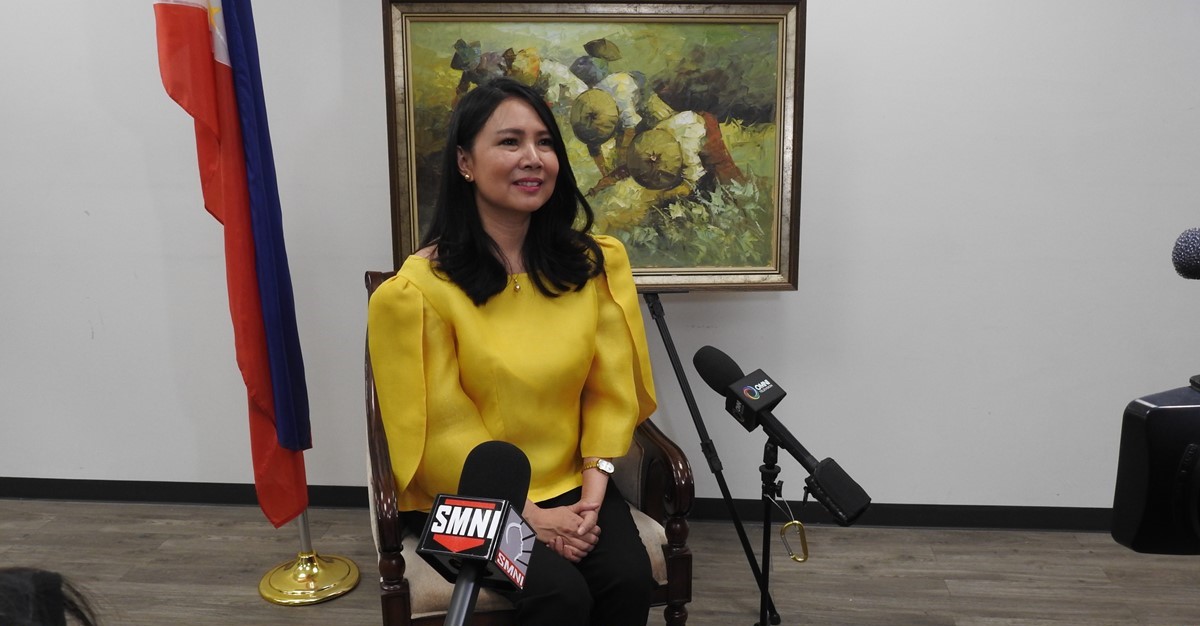
    JCA Law Office Professional Corporation takes great pleasure in announcing and extending a warm welcome to the Hon. Angelica C. Escalona, the newly appointed Consul General of the Philippines in Toronto. She assumed her position on May 17, 2023. With a strong background in consular affairs and a Master of Arts degree in Foreign Affairs and Trade, Consul General Escalona brings a wealth of experience and expertise to her role. Her focus on enhancing consular services, engaging with the Filipino community, and promoting bilateral relations reflects her commitment to serving her fellow Filipinos and fostering strong ties between the Philippines and Canada.

    Experience and Training


    Hon. Angelica C. Escalona has had an extensive career in the Department of Foreign Affairs since 1996. Her service within the geographic offices at the home office and in the Philippine Embassies in Jakarta and Tokyo has provided her with a broad understanding of diplomatic operations and international relations. Consul General Escalona’s experience in various diplomatic assignments has equipped her with the skills necessary to effectively navigate the complexities of consular affairs and bilateral engagements.

    Academic Achievement


    In addition to her remarkable professional experience, Consul General Escalona has pursued higher education to deepen her knowledge in the field of foreign affairs. She obtained a Master of Arts degree in Foreign Affairs and Trade from Monash University in Australia while serving in the Foreign Service. This academic achievement has enriched her understanding of international relations, trade dynamics, and the multifaceted nature of diplomatic engagements.

    Enhancing Consular Services


    With her background and expertise in consular affairs, Consul General Escalona is dedicated to improving consular services for Filipino citizens in Toronto. Her experience within the Office of Consular Affairs will enable her to implement measures to streamline processes, enhance accessibility, and provide efficient assistance to the Filipino community. Consul General Escalona’s extensive training and knowledge in foreign affairs will contribute to the development of innovative solutions and the implementation of best practices in consular operations.

    Engaging with the Filipino Community


    Consul General Escalona recognizes the importance of engaging with the Filipino community in Toronto. Her experience in various diplomatic assignments and her understanding of cultural sensitivities will enable her to connect with community members, listen to their concerns, and develop initiatives that address their needs. By fostering meaningful dialogue and collaboration, she aims to build strong relationships within the Filipino community and empower individuals and organizations to contribute to its growth and prosperity.

    Promoting Bilateral Relations


    With her strong background in foreign affairs and trade, Consul General Escalona is well-positioned to promote bilateral relations between the Philippines and Canada. Her diplomatic experience and training will enable her to engage effectively with the government and people of Canada, identify opportunities for collaboration, and advocate for the interests of the Philippines. Consul General Escalona’s expertise in trade dynamics and her understanding of international relations will contribute to the development of strategic partnerships and the facilitation of mutually beneficial initiatives.


    JCA Law Office Professional Corporation celebrates the appointment of Hon. Angelica C. Escalona as the Consul General of the Philippines in Toronto. Her extensive experience in consular affairs, combined with her academic achievement and training in foreign affairs, makes her exceptionally qualified for the role. We commend her focus on enhancing consular services, engaging with the Filipino community, and promoting bilateral relations. Working collaboratively, we can support Consul General Escalona’s efforts to provide efficient consular services, empower the Filipino community, and strengthen the bond between the Philippines and Canada.

    Need consular assistance or legal help?

  • All you need to know about Affidavit of Support and Consent

    All you need to know about Affidavit of Support and Consent

    Affidavit of Support and Consent

    Everything you need to know about this essential document for Filipino minors travelling abroad

    If you recently applied through any of the pathways for permanent residency in Canada and have minor child(ren) included in your application, you probably need a notarized and authenticated Affidavit of Support and Consent if the said child(ren) will travel unaccompanied by a parent or legal guardian.


    So, what is an “Affidavit of Support and Consent?”

    An “Affidavit of Support and Consent” is one of the requirements in the Philippines whenever a minor child is applying for a passport or travel document without a parent or legal guardian. Another required document is a Special Power of Attorney.

    The affidavit must be sworn before a notary public and contain the following statements:

    • Your relationship to the child(ren)
    • Basic information about the child(ren) such as name, birthdate, place of birth, etc.
    • Name of authorized person who will apply for the child(ren)’s passport or travel document
    • Name of authorized person who will accompany the child(ren) for the travel abroad
    • Express consent for the child(ren) to travel with the authorized person
    • Statement of support for the child(ren) while in the foreign country
    • Any other statements to support your affidavit

    How do you prepare the Affidavit of Support and Consent?

    1) SELF-PREPARE

    You can do it yourself (DIY) if you know how to prepare an affidavit. Ensure that it is in the proper form and contains all the statements above. Be aware that an affidavit becomes a legal document once executed, so be careful. This option may not be suitable for everyone.

    2) FILL OUT THE FORM

    Fill out the sample forms available through the following government websites:

    Disclaimer: JCA Law is not associated with the Government of the Republic of the Philippines or any of its departments, agencies, or bureaus. These links are for reference only and are not endorsed. If you have any questions about these forms, contact the nearest Philippine consulate office or embassy in your area. If you need legal advice, consult with a licensed professional in your Province.

    3) JCA LAW TEAM ASSIST

    JCA Law can help you prepare the Affidavit of Support and Consent. If you need assistance, message us on Facebook Messenger or book an appointment any time. We will respond within the next business day.

    If the matter is urgent, call 855-522-5290 during office hours.


    Why is an Affidavit of Support and Consent required?

    “Because of incidences of child abductions, a Filipino minor child, regardless of civil status, is required to secure a travel clearance issued by the Department of Social Welfare and Development (DSWD) if the child will travel out of the Philippines, either alone or with an adult other than a parent.” – taken from the DSWD website

    An Affidavit of Support and Consent is just one of the requirements for securing a travel clearance from the DSWD.

    Below is a list of all requirements for a travel clearance for a minor child. Click on the option that applies to you:

    For minors travelling alone to a foreign country for the first time
    1. Duly accomplished DSWD Travel Clearance application form
    2. Photocopy of either Birth Certificate or passport of the minor
    3. Written consent of both parents or the solo parent or the legal guardian permitting the minor to travel alone to a foreign country
    4. Proof of the consenting parent’s relation to the child, in one of the following forms:
      • (married parents) a photocopy of the marriage certificate of the minor’s parents
      • (legal guardian) a photocopy of the certificate of legal guardianship of the minor
      • (solo parent) a photocopy of the solo parent identification card from the Municipal Social Welfare and Development Office, a Local Social Welfare and Development Office, Tallaq or Faskh certification from the Shariah court or any Muslim Barangay or religious leader
      • (if child is illegitimate) a Certificate of No Marriage (CENOMAR) issued by the National Statistics Office (NSO)
      • (if parents are deceased) a photocopy of the death certificate
    5. Two colored passport size photos of the minor taken within the last six (6) months
    6. The DSWD social worker may require additional documentary requirements during the assessment of the Travel Clearance application to make sure that no child shall be trafficked and that the child’s best interest and welfare is ensured.
    For minors travelling for the first time with a person other than the parents or legal guardian
    1. Duly accomplished DSWD Travel Clearance application form
    2. A photocopy of the birth certificate of minor
    3. A written consent of both parents or the solo parent or the legal guardian permitting the minor to travel to a foreign country with a specific person other than them
    4. As appropriate, a photocopy of the marriage certificate of the minor’s parents or a certificate of legal guardianship of the minor or in the case of solo parents, a solo parent identification card from the Municipal Social Welfare and Development Office or a certification from the Local Social Welfare and Development Office of being a solo parent or a court decree of separation, annulment or divorce, or Tallaq or Fasakh certification from the Shariah court or any muslim barangay or religious leader or in the case of an illegitimate minor, a certificate of no marriage (CENOMAR) from the National Statistics Office or in the case of a deceased parent, a photocopy of the death certificate
    5. Two colored passport photos of the minor taken within the last 6 months.
    6. Photocopy of the passport of the travelling companion
    For minor illegitimate children travelling abroad with the biological father

    A minor illegitimate child who is travelling abroad accompanied by the biological father is required to secure a travel clearance certificate as parental authority is vested only to the mother of the child, per Article 176 of the Family Code of the Philippines.


    Aside from the DSWD, who else requires the Affidavit of Support and Consent?

    The Department of Foreign Affairs (DFA) of the Republic of the Philippines requires a minor applicant to submit an Affidavit of Support and Consent if the child is not accompanied by a parent or legal guardian during the passport application process. Thus, both the DFA and DSWD require the Affidavit of Support and Consent if the child will not be accompanied by a parent or legal guardian during his or her travel abroad.

    A valid passport is of course required for anyone to travel abroad. The DFA issues passports for Filipino citizens. As noted above, the DFA will require an Affidavit of Support and Consent in at least two (2) situations. Therefore, even if the child will be accompanied by a parent or legal guardian for the travel abroad, the Affidavit of Support and Consent will still be required if there is no parent or legal guardian during the passport application. Another required document is a Special Power of Attorney (SPA).


    Does the Affidavit of Support and Consent have to be notarized?

    Yes. An affidavit is a sworn statement which means that it must be signed or executed before a notary public. Contact us if you need a notary public in Ontario, Canada.

    Can I sign the Affidavit of Support and Consent in Canada?

    Yes. You can sign or execute the Affidavit of Support and Consent in Canada. However, the said Affidavit needs to be authenticated or “consularized” before sending it to the Philippines. Contact us if you need assistance with getting your legal documents authenticated. Our office is conveniently located near the Philippine Consulate in Toronto.

    Is the notary and authentication of an Affidavit the same? What is the difference?

    Notary and authentication are not the same. You must go to a notary public to have your document notarized. For authentication, you must go to the Philippine Consulate General near you or the Philippine Embassy in Ottawa.


    Related Topics

    What you need to know about Virtual Legal Services and Notary Public

    Everyone needs to adapt in an ever-changing world, and that includes lawyers, notary public, oath commissioners and licensed immigration consultants… Read More

    Documents Authentication Toronto

    If you are one of the people who always get confused as to what kind of documents must undergo consular notarization and authentication here in Canada so it may be used in the Philippines… Read More

    Need an Affidavit of Support and Consent?

    Our team can prepare, notarize, and assist with authentication of your documents.

  • Documents Authentication Toronto

    Documents Authentication Toronto

    All You Need To Know About Authentication Of Documents In Canada For Use In The Philippines

    A detailed guide on the authentication or “consularization” process of legal documents in Canada for use in the Philippines.

    If you are confused as to which documents must undergo consular notarization and authentication here in Canada so they may be used in the Philippines, worry not, because you are not alone. Everyday, we encounter clients unaware about what they need to do or where to go to have their documents properly authenticated. So, for everyone’s peace of mind, here’s a detailed guide on the authentication or “consularization” process of legal documents in Canada for use in the Philippines.

    Documents Authentication in Canada | Notary Public

    Why Do I Need To Authenticate A Document In Canada For Use In The Philippines?

    An important thing to know is that neither Canada nor the Philippines is a signatory to the Hague Apostille Convention**, and therefore does not issue apostilles. This means that for documents that were executed, signed, or issued in Canada to take legal effect in the Philippines, these documents must undergo consular notarization (or authentication, as the case may be) at the Philippine Embassy, or one of its consulates, in Canada.


    What Is The Purpose Of Authentication Of Legal Documents?

    Laws vary with each jurisdiction (which can be a city, province, or country). The requisites for the execution of legal documents (such as affidavits, special power of attorney, contracts, and wills) are primarily governed by the jurisdiction where the document is to be used. For example, if a legal document is intended for use in the Philippines, it must comply with the requirements under Philippine law.

    Let us say that one of the requirements under Philippine law is that the document must be notarized. This means the document must be signed or executed before a notary public. But which notary public? In the Philippines, documents can be notarized only within the jurisdiction of the notary where they have been appointed. So, what if you need a notarized document and you live in Canada as a student, worker, visitor, permanent resident, or citizen? Then you go to the office of a notary public appointed by the Province where you live. In Ontario, a notary public is appointed by the Minister of the Attorney General.

    But there’s the problem. The notary public is not appointed by Philippine authorities. The Philippines does not maintain a registry of appointed notaries public in Canada. How can people in the Philippines rely on your legal documents? How will they know if it was notarized by a duly appointed notary public in Canada?

    This is where the authentication process comes in. The Philippine Consulates General in Canada (Philippine Consulate Toronto, Philippine Consulate Vancouver, and Philippine Consulate Calgary) and the Philippine Embassy in Ottawa act as the representative of the Philippine Government and administers various programs to serve Filipinos in Canada. Authentication of documents is one of the services they provide.


    What Legal Documents Need To Be Authenticated?

    Common documents for authentication are Affidavits, Special Powers of Attorney (SPAs), General Powers of Attorney (GPAs), Deeds, Contracts, and official documents issued by authorities in Canada. Contact the Philippine Embassy in Ottawa or any of the Philippine Consulate General near you or visit their website to get the latest information. Please be advised that restrictions due to COVID-19 may be in place.

    Make sure your documents are already prepared and ready for signing. Do not sign your documents unless you are instructed. You must sign in front of the officer. Please note that the Consulates or Embassy does not draft documents such as SPAs on behalf of applicants but they can provide a form that you can fill in.

    Related Guide: Apostille vs Consularization: Which Path for Your Philippine SPA? — Understand the key differences between the apostille and consularization processes and which one applies to your Special Power of Attorney.


    What Do I Need To Bring To The Philippine Consulate Or Embassy?

    Make sure that you have the following requirements prior to going to the Philippine Embassy or Philippine Consulate:

    • Document(s) such as Special Power of Attorney (SPA), Affidavit, Contract, Deed, or any legal papers you need to be notarized
    • 2 government-issued IDs such as a valid passport, driver’s license, Canadian citizenship card, permanent residence card, or Ontario photo ID; make sure that you have a photocopy with you since it will be used as an attachment to the document for authentication
    • Cash, bank draft, or money order (Debit/credit cards or personal cheques are NOT accepted)
    • “Personal appearance” of all signatories to the document
    • DO NOT SIGN YOUR DOCUMENT(S) UNLESS YOU ARE GIVEN INSTRUCTIONS

    Processing is done on a first-come, first-served basis. Since June 15, 2019, the Philippine Embassy or any of the Philippine Consulates in Canada no longer affixes “red satin ribbons” on its authenticated/notarized documents, pursuant to instructions from the Department of Foreign Affairs.

    Philippine Consulate Toronto

    Steps For Authentication Of Legal Documents At The Philippine Consulate Or Embassy

    Before the COVID-19 pandemic and the related government restrictions on mobility and in-person services, you can simply walk-in without an appointment and have your documents submitted for authentication at the Philippine Consulate or Embassy of your choice. You need to come back another day to pick up or have it mailed to you if you have a self-addressed mailing envelope from Canada Post (Xpresspost).

    It is important to note that person(s) executing the legal document(s) (SPA, Affidavit, General Powers of Attorney, etc.) for use in the Philippines must personally appear before a consular officer to acknowledge and sign the document. If for some reason, the said individual who executes the legal document is unable to personally appear, the following steps are needed to be done to have the document authenticated.

    5 Steps For Authentication Of Legal Documents For Use In The Philippines

    Step 1: Prepare your legal documents

    You can prepare them yourself, fill-in a template, or have them drafted by a professional.

    Step 2: Have the documents notarized

    Have them notarized by a duly commissioned and authorized commissioner of oath or notary public. Each province or territory may have different rules on who are authorized to notarize your document so make sure you go to the right professional.

    Step 3: Submit for certification of signature

    Submit the notarized document to the appropriate office (depending on the province or territory in Canada under which authority your documents were notarized) for certification of signature and authority of the lawyer or notary public.

    Provincial and Territorial Offices for Document Certification

    Alberta

    Deputy Provincial Secretary’s Office
    Room 111, Bowker Building
    9833 109 Street
    Edmonton, Alberta T5K 2E8

    British Columbia

    If the notary public is a lawyer:
    The Law Society of British Columbia
    845 Cambie Street
    Vancouver, BC V6B 4Z9

    If the notary public is not a lawyer:
    The Society of Notaries Public of British Columbia
    625 Howe Street, Suite 700
    Vancouver, BC V6C 2T6

    Ontario

    Official Documents Services
    Main Floor
    222 Jarvis Street
    Toronto Ontario M7A 0B6

    Global Affairs Canada
    Authentication Services Section (JLAC)
    125 Sussex Drive
    Ottawa, ON K1A 0G2

    Manitoba

    Commissioner for Oaths/Notary Public Office
    Room 1034 – 405 Broadway
    Winnipeg, MB R3C 3L6

    New Brunswick

    Justice and Office of the Attorney General
    PO Box 6000
    Fredericton, NB E3B 5H1

    Newfoundland and Labrador

    Confederation Building
    4th Floor, East Block
    P.O. Box 8700
    St. John’s, NL A1B 4J6

    Nova Scotia

    Department of Justice, Legal Services Division
    1690 Hollis Street
    Joseph Howe Building
    Halifax, NS B3J 1V7

    Prince Edward Island

    Justice and Public Safety
    Legal Services Section
    PO Box 2000
    95 Rochford St., 4th Fl. Shaw S.
    Charlottetown, PE C1A 7N8

    Saskatchewan

    Ministry of Justice and Attorney General
    Authentication Services
    800 – 1874 Scarth Street
    Regina SK S4P 4B3

    Northwest Territories

    1st Floor Stuart M. Hodgson Building
    5009 49th Street
    P.O. Box 1320
    Yellowknife, NT X1A 2L9

    Nunavut

    Nunavut Court of Justice
    P.O. Box 297
    Iqaluit NU X0A 0H0

    Yukon

    Societies Clerk, Corporate Affairs Territorial
    2130 2nd Ave.
    Whitehorse, YT Y1A 2C6

    Disclaimer: The information posted here is for reference only and subject to change without prior notice. Get up-to-date information by visiting their website.

    Note that in-person transactions usually have a much quicker turn-around time compared to mailed-in transactions. However, restrictions due to COVID-19 may be in place. Contact the office where you intend to have your documents authenticated for up-to-date information.

    Step 4: Submit to the Philippine Consulate or Embassy

    Submit your certified document and other requirements to the Philippine Consulate or Embassy which has consular jurisdiction over the province or territory you went to in Step 3 above. Contact them for up-to-date information.

    Philippine Consulate and Embassy Offices in Canada

    Philippine Consulate General Toronto
    7th Floor, 160 Eglinton Ave. East
    Toronto, Ontario, Canada M4P 3B5

    Philippine Consulate General Vancouver
    999 Canada Place, Suite 660
    Vancouver, BC V6C 3E1

    Philippine Consulate General Calgary
    Suite # 100, 1001 – 1st St. SE
    Calgary, AB, T2G 5G3

    Philippine Embassy
    30 Murray Street
    Ottawa ON K1N 5M4

    Step 5: Obtain your fully authenticated document

    Obtain your fully authenticated document and send it to your representative in the Philippines.


    How Can JCA Law Office Help You?

    If you don’t have time for a personal appearance at the consulate or find the authentication process to be tedious and stressful, worry not. JCA Law Office can do it on your behalf. Our friendly Filipino-Canadian lawyers and professional staff will take care of all your needs.

    JCA Law Office is a one-stop-shop for all your legal document needs going to the Philippines and have served thousands of happy clients since its foundation in 2016. Whether you require document preparation, notary, certification, authentication, and even courier services, we have all the services you need under one roof.

    You may book your appointment by calling us at 1-855-522-5290 or book it online:


    **Hague Apostille Convention is an international treaty drafted by the Hague Conference on Private International Law which came into effect in 1965. It governs the process through which a document issued in one country is legally certified for use in other countries. This treaty specifies that any signatory country can issue a certification called an “apostille”. A document that has been “apostilled” is legally certified for use in any country that has signed the Hague Apostille Convention.

    References:
    https://www.idocscanada.ca/hague-apostille-convention-canada/
    https://jcalaw.ca/learn-more-about-our-philippine-consulate-offices-in-canada/

    Follow us on our Social Media accounts:
    Facebook: @JCALawOffice | Instagram: @jcalawoffice | Twitter: @JCALawOffice

    Need Help With Document Authentication?

    JCA Law Office is your one-stop-shop for document preparation, notarization, certification, and authentication for use in the Philippines.

  • A Closer look at Philippine Consulate General in Toronto

    A Closer look at Philippine Consulate General in Toronto

    A Closer Look at Philippine Consulate General in Toronto

    A feature story about the PCG Toronto — its history, services, Consul General, and the Philippine government agencies under one roof.

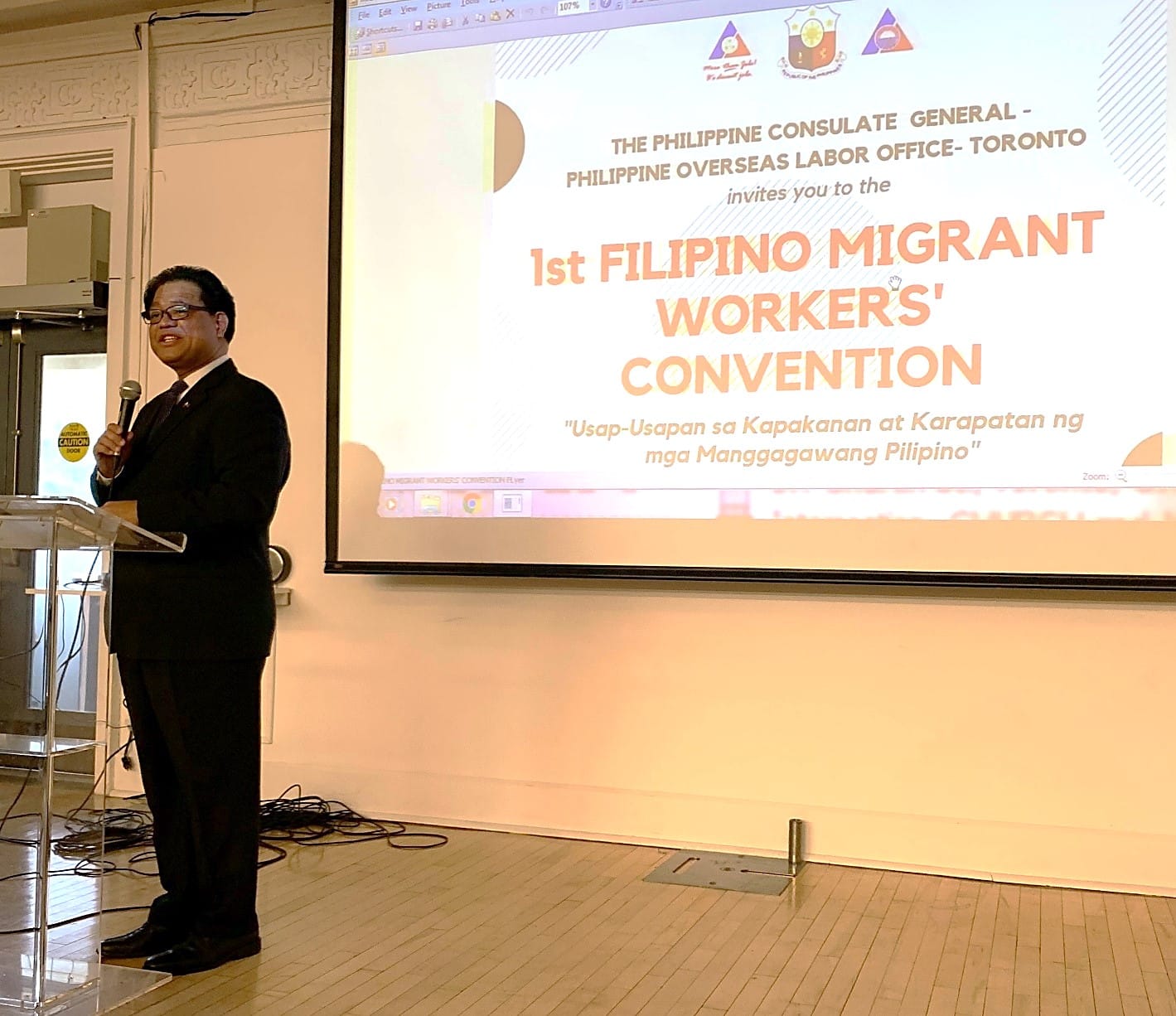
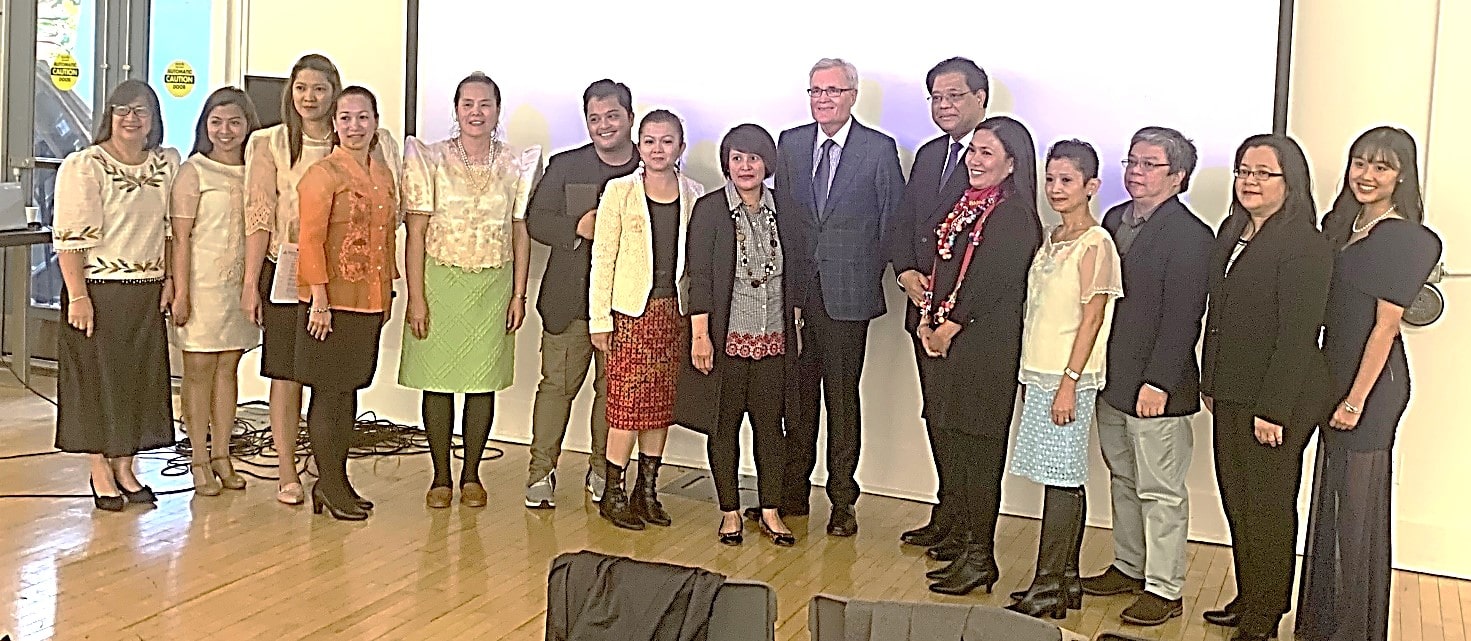
    1st Filipino Migrant Workers convention
    Photo Credit: Philippine Consulate Toronto

    Feature Story: Philippine Consulate General in Toronto

    Being away from our birth country has not always been easy. We get homesick a lot of times, and as Filipino-Canadians, we are always eager to learn more about the Philippines, our fellow kababayans, as well as the latest updates regarding the consulate office of the Philippines in Toronto. In order to provide more information to all our fellow Filipino Canadians, JCA LAW OFFICE have decided to create a feature story about the Philippine Consulate General (PCG) in Toronto, their history, the services they provide, information about our newly appointed Consul General and latest updates regarding the other Philippine government agencies located within the same premises.


    History of Philippine Consulate General (PCG) in Toronto

    The Philippine Consulate General in Toronto opened its doors to the public on September 5th, 1978 at 111 Avenue Road, Toronto under Principal Officer Leovegildo Anolin. After 10 years, in 1988, they moved to 151 Bloor Street West Suite 365, and in 2003 found their way at Eglinton Avenue East and transferred to Suite 800 of 161 Eglinton Avenue East. In 2014, PCG Toronto moved to its present office at 7th floor of 160 Eglinton Avenue East and has stayed in the premises since then.

    Hey Kuya! JCA Law Office
    Consulate staff and community partners
    Photo Credit: Philippine Consulate Toronto

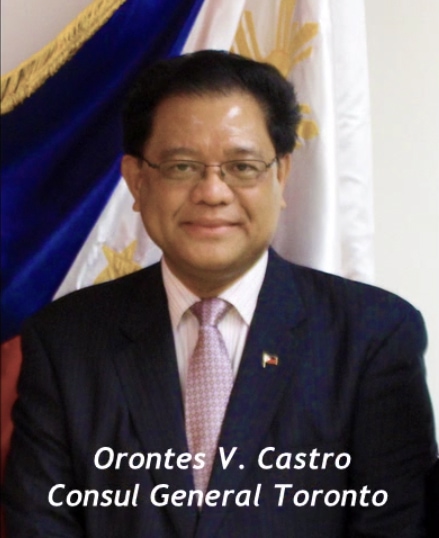
    Orontes V Castro

    Getting to Know the Current Philippine Consul General

    The current Philippine Consul General is Hon. Orontes “Ron” V. Castro, who recently assumed his diplomatic post last September 17th, 2019, replacing Consul General Rosalita S. Prospero who passed away in May 2019.

    Consul General Castro was the Deputy Consul General at the Philippine Consulate in Chicago from 2007 to 2013. Prior to that, he served as Vice Consul and eventually appointed as the Consul at the Philippine Consulate General in New York from 2000 to 2003. His first foreign assignment was as Third Secretary and Vice Consul at the Philippine Embassy in Beirut, Lebanon from 1996 to 2000.

    Prior to being a diplomat, Consul General Castro worked as an auditor for Sycip, Gorres & Velayo (SGV) right after university and passing the Certified Public Accountant (CPA) Board Exams. He also worked for several years as Division Chief of the accounting department of Philippine International Trading Corp (PITC), the Philippine government’s state trading firm, as well as an accountant lecturer at the Philippine School of Business Administration (PSBA).

    He was born in San Fernando, Pampanga and graduated as Cum Laude with a degree in Business Administration major in Accounting at University of the East in 1983. Consul General Castro recently received his Masters in Business Administration (MBA) with Cum Laude honors at the Graduate School of University of Santo Tomas last June 8th, 2019. He also completed some units in taxation and business law from the Indiana University.

    Fluent in Filipino, English, and French, Consul General Castro is honored to be assigned in Toronto and wants to continue and enhance the cultural and heritage projects of the late Consul General Rosalita Prospero who also happens to be his close friend. You may get in touch with Consul General Ron Castro at consul.general@philcongen-toronto.com.


    Consular Services Available at the PCG Office in Toronto

    • Issuance of Passport
    • Issuance of Visa
    • Notarial and other Legal Services
    • Report of marriage, birth, death, and shipment of remains/urn
    • Registration of Nationals
    • Application for Travel Document

    For more information about the most common services that PCG is providing, you may check out our previous article regarding the Consulate Offices in Canada.

    Payment of Fees

    The Consulate ONLY accepts Cash, Bank Draft, Money Orders or Certified Cheques (No Debit or Credit Card).


    Office Hours & Holiday Schedule

    Regular Hours: Monday to Friday, 9:00 AM to 4:00 PM (No lunch break)

    Saturday Hours: Every 1st Saturday of the month, 9:00 AM to 12:00 PM. Kindly take note that there will be many applicants on Saturdays. Clients are advised to prepare for a long waiting period.

    Philippine Holidays (PCG Closed)

    New Year’s Day – January 1
    Araw ng Kagitingan – April 9
    Maundy Thursday – April 18
    Good Friday – April 19
    Labor Day – May 1
    Philippine Mid-term Election – May 13
    Independence Day – June 12
    National Heroes Day – August 26
    Additional Special Non-Working Day – December 24
    Christmas Day – December 25
    Rizal Day – December 30
    Last Day of the Year – December 31

    Canadian Statutory Holidays (PCG Closed)

    Family Day – February
    Easter Monday – April
    Victoria Day – May
    Canada Day – July 1
    Civic Holiday – August
    Labour Day – September
    Thanksgiving Day – October
    Remembrance Day – November 11
    Boxing Day – December 26


    PCG Toronto Office Address

    Philippine Consulate General
    7th Floor, 160 Eglinton Ave. East
    Toronto, Ontario, Canada M4P 3B5
    Tel: (416) 922.7181
    Fax: (416) 922.2638
    Email: consularmatters@philcongen-toronto.com


    Other Philippine Government Agencies at 160 Eglinton Ave. East

    Philippine Overseas Labor Office (POLO) – Toronto

    2nd Floor, 160 Eglinton Ave. East, Toronto, Ontario M4P 3B5
    Tel: (416) 975.8252 | Fax: (416) 975.8277
    Email: polotrt@bellnet.ca | polotoronto.2019@gmail.com

    The Overseas Workers Welfare Administration (OWWA) is tasked with ensuring the Filipino workers’ welfare by documenting and processing contracts when they leave the Philippines and work abroad. OWWA offers a two-year membership for a US$25 contribution chargeable to the employer even if the employment contract is for one year. Membership can be renewed if the necessary documents are provided, which includes the work permit, contract, visa, and passport. Last year, the agency allowed the voluntary membership of permanent residents. Benefits include death benefits, repatriation, educational benefits for dependents in the Philippines and other services listed on the website https://www.owwa.gov.ph/

    Every first Saturday of the month, the POLO office conducts a mandatory Post Arrival Orientation Seminar and networking session for newly landed workers and settlement workers. For information on services and upcoming seminars call 416-975-8252 or email POLO at polotoronto.2019@gmail.com or polotrt@bellnet.ca. Workers may also send their questions about overseas exit clearances at polotrt@bellnet.ca.

    Services for Filipino Workers
    • OEC issuance (Overseas Employment Certificate)
    • Help for abused workers: withheld passport or belongings, harassment, hostile or unsafe work environment
    • Assistance regarding labor issues: unpaid wages, illegal termination, illegal deductions
    • Clarifying Canadian employment laws
    • Work permit renewal assistance
    • OWWA membership renewals
    • Free skills training
    • Free informational seminars
    • Connecting workers to free government-funded resources
    Services for Canadian Employers
    • Application for Temporary Foreign Worker (approval needed by the Philippine government)
    • Clarifying Philippine laws and regulations, especially the Labor Code
    • Help with temporary Filipino workers who violate their employment contract
    • Clarifying POLO’s role in Provincial Nomination Program regulations
    • Assistance regarding cases of illegal recruiters, illegal agencies, and non-licensed immigration consultants

    Social Security System (SSS)

    2nd Floor, 160 Eglinton Ave. East, Toronto, Ontario M4P 3B5
    Tel: (416) 485.2999 | (416) 485.2888
    Fax: (416) 485.2881
    SSS Toronto Representative: Roberto V. Roldan
    Email: roldanrv@sss.gov.ph

    Good news to all our fellow Pinoys especially those living in the GTA, there is no need to travel to PCG in Toronto to update your contributions since you can now go online (www.sss.gov.ph) or download the SSS mobile app in your phone. Also, kindly take note that dual citizenship is not a requirement to avail of your pension. Everyone who has ever worked for an employer in the Philippines and paid their contributions to SSS even for a short period of time (as short as one month), is entitled to claim benefits.

    Aside from the regular SSS coverage program, the SSS Flexi-fund is available exclusively to OFWs who would like to contribute more. For more information, you may visit the SSS Toronto office at 2nd Floor, 160 Eglinton Ave. East, Toronto, Ontario M4P 3B5. Weekday office hours are from 9:00 am to 4:00 pm and closed during Canadian and Philippine holidays. For any inquiries please send an email to SSS Toronto representative Roberto “Bobby” Roldan at roldanrv@sss.gov.ph.

    Pag-IBIG Fund

    Representative: Ms. Elizabeth V. Borres, Member Services Officer – Canada
    Tel: (647) 642-3694
    Email: pagibigcanada@gmail.com

    The latest reports say that 90% of members who migrated to Canada are not aware that their PAG-IBIG savings have grown while they were away. Pag-IBIG is searching for many members who have yet to claim their funds. The list of names is on their website at https://www.pagibigfund.gov.ph/

    Additionally, members whose contributions were restricted to a certain amount when they were working in the Philippines are now allowed to contribute more. The Pag-IBIG’s website is capable of processing online membership registration and can accept payments for membership dues using Mastercard and Visa credit. Tracking of a member’s savings is also possible via the site’s online verification system. You may visit their website for more information.


    JCA Law Office

    JCA LAW OFFICE provides assistance regarding your NBI Process Renewal and application, notarization and authentication of your SPA, POA and other legal documents, as well as your application for marriage, birth and death certificates.

    Address: 168B Eglinton Ave East, Toronto, ON M4P 1A6
    Hours: Mon–Fri 9AM–6PM | Sat 9AM–2PM | Closed Sun & Canadian Holidays
    Call: 1-855-522-5290 | Text: 1-647-367-1634
    Email: info@filipinolawyer.ca

    Disclaimer: Please take note that JCA LAW OFFICE is not affiliated in any way with the Philippine Consulate Office. You always have a choice where to get and apply for your NBI clearance and notarization or authentication of your legal documents.


    References

    Need Help?

    Send us a direct message on Facebook Messenger, and we’ll tell you how we can help, or give us a call at 1-855-522-5290

  • Learn More About Our Philippine Consulate Offices In Canada

    Learn More About Our Philippine Consulate Offices In Canada

    Philippine consulate in Toronto – JCA Law Office Toronto

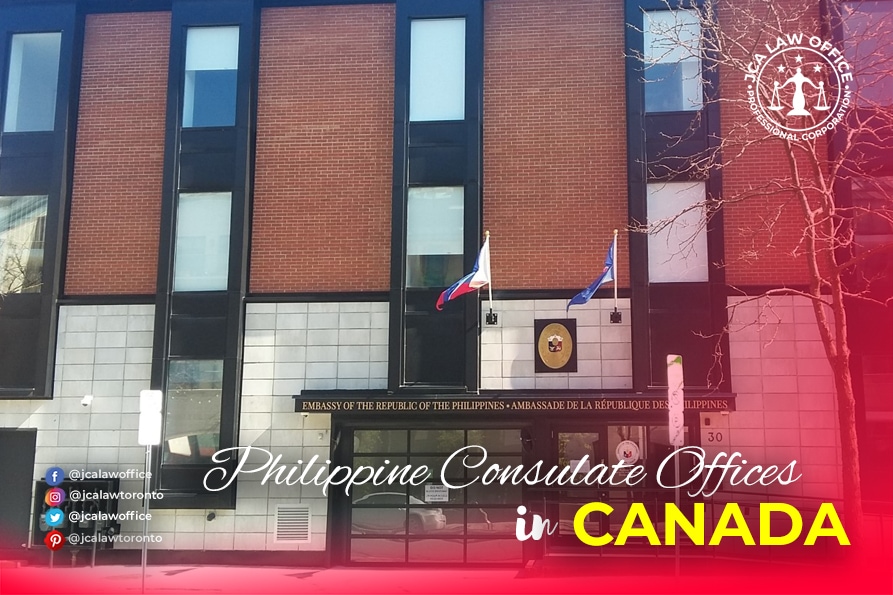
    LEARN MORE ABOUT OUR PHILIPPINE CONSULATE OFFICES in CANADA

    By Gin Aguilar

    Undeniably, there are lots of Filipinos currently in Canada. Our fellow kababayans are all over the country in different provinces – some as Canadian citizens, some are permanent residents, others are under work or student permit, or simply visiting their families and friends. Based on the census done by the government in 2016, Filipino and Filipino-Canadian population in Canada are concentrated mainly in four Canadian provinces – Ontario, Alberta, British Columbia, and Manitoba – as more than 90% of them reside and work in those provinces.

    To cater to the needs of Filipinos in Canada, the Philippine Government has established its embassy in Ottawa and consulate offices in Toronto, ON, Vancouver, BC and Calgary, AB.

    Philippine Consulate in Vancouver

    These consular offices have various government services, most common are:

    (1) Application and renewal of Philippine passports

    Requirements:

    1. Current or latest Philippine Passport
    2. Completed Passport Application Form No. 2
    3. Photocopy of passport’s data page (page showing holder’s picture and personal details)
    4. Original Valid Permanent Resident (PR) Card, Work Permit, Study Permit or Visit Visa
    5. Photocopy of the front of Valid PR Card, Work Permit, Study Permit or Visit Visa
    6. For married female applicants who wish to change their last name to their husband’s: Original and 1 photocopy of Marriage Certificate issued by the National Statistics Office/Philippine Statistics Authority (NSO/PSA)

    NOTE: Beginning January 1st 2018, the Philippine Consulate offices will issue regular/ordinary passports with a validity of 10 years for Filipino citizens who are 18 years old & above, and regular/ordinary passports with a validity of 5 years for those below eighteen years old.

    (2) Processing of dual citizenship

    Requirements:

    1. Completed and signed dual citizenship application form;
    2. Original Philippine Birth Certificate issued by the National Statistics Office (NSO)/Philippine Statistics Authority (PSA) or the Local Civil Registrar of the municipality where the applicant was born, plus 3 (three) photocopies
    3. If available, most recent Philippine passport, and 3 (three) photocopies of its data page (page showing photo and personal details)
    4. For married female applicants: Original Marriage Certificate and 3 (three) photocopies;
      1. If applicable, Original Death Certificate of the spouse, plus 3 (three) photocopies;
      2. If applicable, Original Divorce Decree or Court Order on the Annulment of Marriage, plus 3 (three) photocopies
    5. 3 (Three) recent 2″ x 2″ ID colored photos with white background
    6. Canadian passport, plus 3 (three) photocopies;
    7. Original Certificate of Oath-Taking as a Canadian Citizen, along with 3 (three) photocopies

    (3) Legalization of documents such as affidavits and Special Power of Attorney (SPA’s)

    You are required to appear in person and sign the documents at the Consulate General if you are executing an affidavit or other legal documents requiring oath such as Special Power of Attorney, General Power of Attorney, Affidavit, Certification, Deed of Donation, Deed of Sale, Extra-judicial Settlement of Estate, which are to be sent and used in the Philippines.

    Requirements:

    1. Original document for notarization/authentication together with any valid IDs such as Philippine passport, Canadian citizenship card or Canadian passport, Driver’s license, PR card, Ontario Photo card.
    2. An extra set/copy of the document to be notarized/authenticated with a photocopy of the valid ID’s for the Consulate’s file.

    Kindly take note that if the individual who executes the legal document is unable to personally appear at the Consulate, the document should be notarized by a duly commissioned and authorized lawyer or notary public. For Toronto Consulate office, these documents should be submitted to Official Documents Services (ODS) in Jarvis St. in downtown Toronto for certification of the signature and authority of the lawyer/notary public. Once this has been done, the client may proceed to the Philippine Consulate General for authentication. For consulate offices other than Toronto, check on this link to find where to submit the documents: https://ottawape.dfa.gov.ph/index.php/2016-04-12-08-36-34/2016-04-13-03-10-46/legalization-of-documents

    Processing time for consulate offices is usually after 1 working day upon submission of the legal documents with the requirements. The duly notarized/authenticated document will be released the next working day (after 1 working day) between 2:00pm and 4:00pm.

    In case the applicant will be unable to personally pick-up the document, a letter of authorization from the applicant indicating the name of the authorized representative should be provided along with valid ID.

    (4) NBI Clearance

    You can actually apply for your NBI Clearance in any of the consulate offices in Canada. For First-time applicants, or for those who do not have their old NBI Clearance certificates any longer, or those whose NBI clearance has been issued prior to 2014, requirements are as follows:

    1. Duly accomplished NBI form No. 5 (consular staff will take the fingerprints of the applicants) – this form will be released the same day (NOTE: once reviewed and notarized, It’s ONLY the NBI Form No. 5 that will be released by the Consulate AND NOT the clearance)
    2. Photocopy of valid passport (original passport to be presented)
    3. 2″ x 2″ colored photo with white background taken within three (3) months prior to application
    4. Payment of CAD $36.25** (**most current fee as of September 2019)

    If the applicant is applying only for NBI Clearance Renewal and has a copy of his old NBI clearance (2014 to present) and there is no correction in his name, status or place and date of birth, the applicant does not need to provide fingerprints. A duly accomplished NBI Form No. 5, with a photocopy of the old NBI clearance (2014 to present), a photocopy of valid passport and 2″ x 2″ colored photo with white background needs to be submitted/sent over by the applicant to NBI in the Philippines through international courier of the applicant’s choice. Keep in mind that it is the applicant’s responsibility to send over all the requirements to the NBI Office in the Philippines and not the Consulate office, which will usually take weeks (or even months, depending if there is no problem or “hit” on your name). You may also send your requirements to your representative in the Philippines, which can be your relative or friend, by providing him/her your authorization letter.

    A more convenient and hassle-free option is to get the services of JCA LAW Office to get your NBI Clearance. Kindly take note though that JCA is not related in any other way to any of the Philippine Consulate Offices and the applicant always has a choice on where to get and apply for his/her NBI clearance.

    For more information on NBI Services, you may refer to https://nbirenewal.ca/when-do-i-need-to-get-an-nbi-clearance-in-canada/.

    Please take note that the Consulate accepts ONLY Cash, Bank Draft, Money Orders or Certified Cheques (Debit or credit cards and personal cheques are NOT accepted).

    Listed below are the addresses and office hours of the Embassy of the Republic of the Philippines and different Philippine Consulate Offices in Canada:

    OTTAWA – EMBASSY OF THE REPUBLIC OF THE PHILIPPINES, OTTAWA

    H.E. (Ms.) Petronila P. Garcia, Ambassador Extraordinary and Plenipotentiary

    30 Murray Street
    Ottawa, Ontario, K1N 5M4, Canada
    Tel. No.: (613) 233-1121
    Fax No.: (613) 233-4165
    Duty Officer No: (613) 614-2846
    Email: ottawa.pe@dfa.gov.ph / embassyofphilippines@rogers.com
    Website: https://ottawape.dfa.gov.ph/

    TORONTO – PHILIPPINE CONSULATE GENERAL (PCG)

    Hon. (Mr.) Orontes V. Castro, Consul General

    7th Floor, 160 Eglinton Ave. East
    Toronto, Ontario, Canada M4P 3B5
    Tel (416) 922.7181
    Fax (416) 922.2638
    Emergency No.: (416) 346-3268
    Email: toronto.pcg@dfa.gov.ph / consularmatters@philcongen-toronto.com

    VANCOUVER – PHILIPPINE CONSULATE GENERAL, VANCOUVER

    Hon. (Ms.) Maria Andrelita S. Austria, Consul General

    Suite 660, 999 Canada Place (inside World Trade Center)
    Vancouver, B.C. V6C 3E1, Canada
    Tel. Nos.: (604) 685-1619; 685-7645; 685-8576
    Fax No.: (604) 685-9945
    ATN/Duty Officer No.: (604) 653-5858
    Email: vancouver.pcg@dfa.gov.ph / vancouverpcg@telus.net

    CALGARY – PHILIPPINE CONSULATE GENERAL, CALGARY

    Hon. (Mr.) Gilberto G.B. Asuque, Consul General

    Suite 920, 571 10th Avenue South West
    Calgary, AB T2R 0A8, Canada
    Tel. No.: (587) 577-1524
    Passport Appointment: (403) 455-9346
    Passport matters: (403) 455-9343
    Notarials ATN / Duty Phone: (587) 572-4996
    RA9225: (403) 455-9483
    Email: calgary.pcg@dfa.gov.ph

    JCA LAW OFFICE have dedicated and amicable Filipino-Canadian lawyers who can provide notarial services and we have professional and friendly Filipino-Canadian staff who can also assist you in drafting of your legal documents such as affidavits and SPA’s, as well as in processing of your NBI and Police Clearance.

    You may visit us at: 160 Eglinton Ave East, Suite 406 (4th Floor), Toronto, ON M4P 3B5 (same building as the Philippine Consulate in Toronto).

    You may also send us an email at info@filipinolawyer.ca.

  • Detailed list of updated Ontario court fees

    Detailed list of updated Ontario court fees

    Court fees

    Ontario Court Fee Changes effective April 1st, 2019

    Please take note that effective April 1st, 2019. the new court fees are as follows:

    Small Claims Court (Fees Payable to Clerk)

    TYPE OF FEEOLDNEW
    Filing of a claim by an infrequent claimant95.00102.00
    Filing of a claim by a frequent claimant200.00215.00

    Superior Court of Justice and Court of Appeal Fee Schedule (Family matters):

    TYPE OF FEEOLDNEW
    On the filing of an application157.00202.00
    On the placing of an application on the list for hearing280.00420.00
    On the issue of a certificate with not more than five pages of copies of the Court document annexed19.0024.00

    For a more detailed list of updated Ontario court fees, kindly click on the following link:

    https://www.ontario.ca/laws/regulation/920293

  • Where Can You Find the Philippine Embassy and Philippine Consulate in Canada?

    Where Can You Find the Philippine Embassy and Philippine Consulate in Canada?

    The government wants to encourage and assist the welfare of the Filipinos by providing consulate all over Canada, which leads to a bigger and better bond between the communities and our homeland.

    But with the growing numbers of people coming in from the Philippines, the government should consider providing more consulates in each province of Canada.

    We hope to help and create a prodigious change for the benefits of Filipino immigrants that are wishing to continue better their lives in Canada.

    In the year 2016, there were 851,410 individuals of Filipino descent living in Canada, most living in urbanized areas. Between the year 2011 and the year 2016, the Filipino community in Canada grew from 662,605 to 851,410. That is a growth of about 27% and it will only keep on increasing!

    The Philippine Consulate Toronto and Embassy in Canada provide various services like issuance of a Philippine passport or visa, travel documents, notarial of several legal documents and other legal services, collection of income tax, and much more.

    The Philippine Consulate Canada desires to encourage our fellow Filipinos residing overseas by providing assistance for all matters concerning matters back home. The government aims to look after the welfare of the Filipinos by strategically setting up consulate offices all over Canada. This leads to a sense of belongingness and better networking between Filipinos from different communities.

    With the steady increase of Filipinos migrating to Canada and the influx of our hardworking Filipino workers, the government should consider opening more consulate offices in each province of Canada, considering Canada is huge in land area and there are Filipinos all over.

    Similarly, JCA Law aims to create a prodigious change in all procedures concerning Philippine matters. This is for the benefit of all Filipino immigrants and workers who wish to continue pursuing better their lives in Canada.

    Where Can You Find the Philippine Embassy Canada and Philippine Consulate Toronto?

    EMBASSY OF THE PHILIPPINES, OTTAWA

    Location: 30 Murray St, Ottawa, ON K1N 5M4
    Tel: (+613) 233-1121
    Fax: (+613) 233-4165
    Duty Officer: (+613) 614-2846
    Email: ottawa.pe@dfa.gov.ph and embassyofphilippines@rogers.com

    PHILIPPINE CONSULATE GENERAL, CALGARY

    Location: Suite 920, 517 10th Ave. SW Calgary, Alberta T2R 0A8
    (Centre 10 Building, corner of 4th and 5th Street)
    Tel: (403) 455-9343, (403) 455-9483, (403) 455-9346
    After work phone: (587) 577-1524
    Email: calgarypcg@yahoo.ca
    Passport: calgarypcg@gmail.com
    Office Hours: Monday to Friday, 9am to 5pm
    Consular Jurisdiction: Alberta, Saskatchewan

    PHILIPPINE CONSULATE GENERAL, EDMONTON

    Location: Rm 107, 4990 92 Ave., Edmonton, Alberta, T6V 2V4
    Tel: (+780) 415 4303
    Fax: (+780) 463 5280
    Email: honconedmontonPCG@hotmail.com and honconsulmelda@hotmail.com

    PHILIPPINE CONSULATE GENERAL, ST. JOHN’S

    27 Symonds Avenue, St. John’s, Newfoundland and Labrador, A1E 3A4
    Tel: (+709) 754 2823
    Fax: (+709) 754 2823
    Mobile: (+709) 351 3057
    Email: hazel.ouano@yahoo.com

    PHILIPPINE CONSULATE GENERAL, TORONTO

    Location: 7th Floor, 160 Eglinton Ave. East Toronto, Ontario, M4P 3B5
    Tel: (416) 922-7181
    Fax: (416) 922.2638
    Email: toronto.pcg@dfa.gov.ph and consularmatters@philcongen-toronto.com
    Office Hours: Monday to Friday, 9:00 am – 4:00 pm
    Consular Jurisdiction: Manitoba, Ontario (except Eastern Ontario and Ottawa-Gatineau Capital Region)

    PHILIPPINE CONSULATE GENERAL, VANCOUVER

    Location: Suite 660, 999 Canada Place Vancouver, British Columbia, V6C 3E1
    Tel: (604) 685-1619/(604) 685-7645
    Urgent Call: (604) 653-5858
    Fax: (604) 685-9945
    Email: vancouver.pcg@dfa.gov.ph, vancouverpcg@telus.net
    Office Hours: Monday to Friday, 9:00 am – 4:00 pm
    Consular Jurisdiction: British Columbia, Yukon, Northwest Territories

    PHILIPPINE CONSULATE GENERAL, HALIFAX

    Location: 1559 Brunswick Street Ogden Pond Building Halifax, Nova Scotia, B3J 2G1
    Tel: (902) 240-0833
    Email: sean@ogdenpond.com

    PHILIPPINE CONSULATE, CHARLOTTETOWN

    Location: 10 Shell Court Charlottetown, Prince Edward Island, C1A 2Z8
    Tel: (902) 894-7701 / (902) 393-4850
    Fax: (902) 8947916
    Email: lorvarg46.cue@gmail.com

    JCA law office also offers some of these services. We provide notarial services (includes document drafting), Philippines statistics authority certificate, NBI processing, and legal advice on various legal concerns.

    For more information, JCA Law Office can help with Philippine consular matters.

    You may also send us an email at info@filipinolawyer.ca.

  • How to renew Philippine Passport in Canada?

    How to renew Philippine Passport in Canada?

    How to Renew Philippine Passport in Canada

    A complete guide to renewing your Philippine passport through the Philippine Embassy in Ottawa or any of the Philippine Consulate General offices across Canada.

    Passport Renewal Guide – JCA Law Office

    Philippine Passport Renewal

    Before renewing your Philippine Passport, you may consider getting a driver’s license or any provincial or photo ID in Canada. Then, get the permanent resident (PR) card if you are already eligible.

    It is advisable for every Filipino to have a valid passport which can always serve as a valid ID. (You may also consider getting a driver’s license or provincial ID) until you receive your permanent resident (PR) card.


    Three (3) Ways to Renew Philippine Passport in Philippine Consulate General in Canada

    For the passport renewal, it is mandatory to appear personally.

    First: Book an Appointment

    For passport renewal, it can be done either at the Philippine Embassy in Ottawa, Ontario (the only Philippine Embassy in Canada) or in any of its Philippine Consulate General offices in Canada, such as the one in midtown Toronto. ONLY booked and scheduled appointments are allowed due to pandemic.

    Second: Consular Outreach Program

    You can do it through the consular outreach program in your area. The Philippine Consulate General in different cities like Charlottetown, Saskatoon, Calgary, Edmonton, Halifax, St. John’s, Toronto & Vancouver are visiting different places in Canada. Check the PCG website for outreach schedules.

    Third: Book Online (Vancouver)

    You can book an appointment online if you are planning to renew your Philippine Passport in Philippine Consulate General in Vancouver.

    Do you know the best way that can work for you? Continue reading to find out more details.

    Note: If you have asked to have the new Passport mailed to your address, you will also receive the old Passport you submitted.

    It is not easy to renew your Philippine Passport without a valid scheduled appointment. Keep your patience no matter what when following up via email, making a phone call and even in meeting them personally.

    Keeping abreast is another factor to know the latest updates on how to apply for a Philippine Passport.

    All information is FREE – just do some Google search and check on their websites. You may also follow the Philippine Embassy and its Consulate offices in Canada through social media and their websites. Unfortunately, some consular offices have no websites nor social media accounts, but one thing for sure – their online consulate presence is there.


    Philippine Embassy in Ottawa

    TWO OPTIONS to renew your Philippine Passport:

    First Option: Consular outreach program in some provinces. Check for the announcement and updates. You may call them and book for an appointment at +1 (613) 233-1121.

    Second Option: Book an appointment to any of the Consular office of the Philippine embassy in Canada. Passport Renewal processing is usually three (3) months.

    Requirements for Passport Renewal

    • E-passport application form
    • Original Passport
    • Photocopy of the data page (bio page)
    • Photocopy of work permit or PR card
    • Xpresspost envelope with signature sticker
    • Exact cash payment ($81.00)

    Visit the passport information page for the complete requirements. Fees may change.

    Contact Information – Philippine Embassy in Ottawa

    Address: 130 Albert Street East (Ste). 900 Ottawa, Ontario, K1P 5G4
    Tel. No: +1 (613) 233-1121
    Fax No: +1 (613) 233-4165
    Duty Officer: +1 (613) 614-2846 (embassy hotline)
    Email: embassyofphilippines@rogers.com, ottawa.pe@dfa.gov.ph
    Office Hours: 9:00 am – 5:00 pm (Mon-Fri except for Philippine and other Ottawa holidays)

    Other matters concerning immigration in Canada, visit our website at https://jcalaw.ca/immigration-law/


    Philippine Consulate General in Toronto

    First: Consular outreach program of the consulate general in some provinces. Check the announcement for updates of the outreach and list of passport applicants with confirmed appointments.

    Check the tentative schedule of consular outreach services in Toronto.

    You must book an online appointment to secure a spot. Mark the scheduled date and brace yourself for the marathon. The dates may change and unexpected events may happen. It has happened in the past, and it may happen again. With the huge list of outreach services in different provinces of Canada and a growing number of Filipinos, we hope it will not happen again.

    Didn’t I say you must have huge patience to renew Philippine passport in Canada?

    Second: Go directly to Philippine Consulate General Toronto for passport renewal.

    Need Help With Your Philippine Passport?

    JCA Law Office can assist with passport-related legal requirements including SPAs, affidavits, and document authentication for the Philippine Consulate.

  • Why Do Immigrants Need an Immigration Lawyer: Why Not?

    Why Do Immigrants Need an Immigration Lawyer: Why Not?

    Question: What if you’re an aspiring immigrant? You will need help from an immigration lawyer to process the papers for you, but unfortunately that is not what people – specifically Filipinos are taking the time to consider.

    One of the first things people will learn when considering immigration is just how different the laws are.

    The legal lexis itself, though still consisting of the same jargons, set a host of different parameters, leaving the people searching for answers more confused than when they started.

    That said, people still choose to either seek help from their friends – their “kumares and kumpares,” who are-more often than not-as clueless as they are in the general scheme of things, or in some cases, heedlessly fill out online forms and join online forums while hoping for the best.

    Perhaps it is the availability of information in the Internet that gives them the confidence to do so, relying on readily available resources. However, it should be noted that these readily available resources may or may not be as reliable as they seem at first glance.

    It is a gamble, simply put, and therein lies the problem.

    As such, it is highly recommended that a consultation be conducted-not just a random consultation, mind you, but a proper one, wherein an immigration lawyer will be asking particular questions regarding the client’s situation, along with appraising the documents at hand.

    With this, any uncertainties will be cleared, and the client will have the opportunity to raise any questions that might arise and be given satisfactory answers from a trustworthy source who knows the subject inside and out.

    A consultation is an entirely confidential process, where all relevant issues are addressed so that the immigration lawyer can obtain a complete knowledge of a client’s immigration matter. This way, any disturbances during the immigration filing will be avoided.

    When the immigration lawyer has gotten all pertinent information, the client will be given proper legal advice.

    Based on the case, the immigration lawyer will also be able to provide a time line for the whole process, and might even determine potential conclusions, such as the possibility of the application going through.

    The consultation is also a great way for the client to see in person who they are dealing with, and they can determine if the immigration lawyer is reputable enough to represent them.

    Moreover, they can see for themselves if the immigration lawyer actually knows the subject matter, and they can gauge the immigration lawyer’s capabilities firsthand.

    Benefits of Consulting with an Immigration Lawyer

    Procuring the services of an immigration lawyer lessens the chances of delays and complications in the process, since there already is a good understanding of the process itself, the guidelines involved, and the general and specific rules and regulations that encompass the procedure.

    Intrinsically, an immigration lawyer will assist the client in the navigation of the immigration system, and an effective immigration lawyer will be skilled enough to steer the client to positive results.

    An immigration lawyer’s services, once retained, include the provision of a retainer agreement wherein the professional relationship between the client and the immigration lawyer will be established. The client will also be given instructions as to how to proceed, as well as a detailed list of necessary documents for moving the case along.